
Last updated November 15, 2026
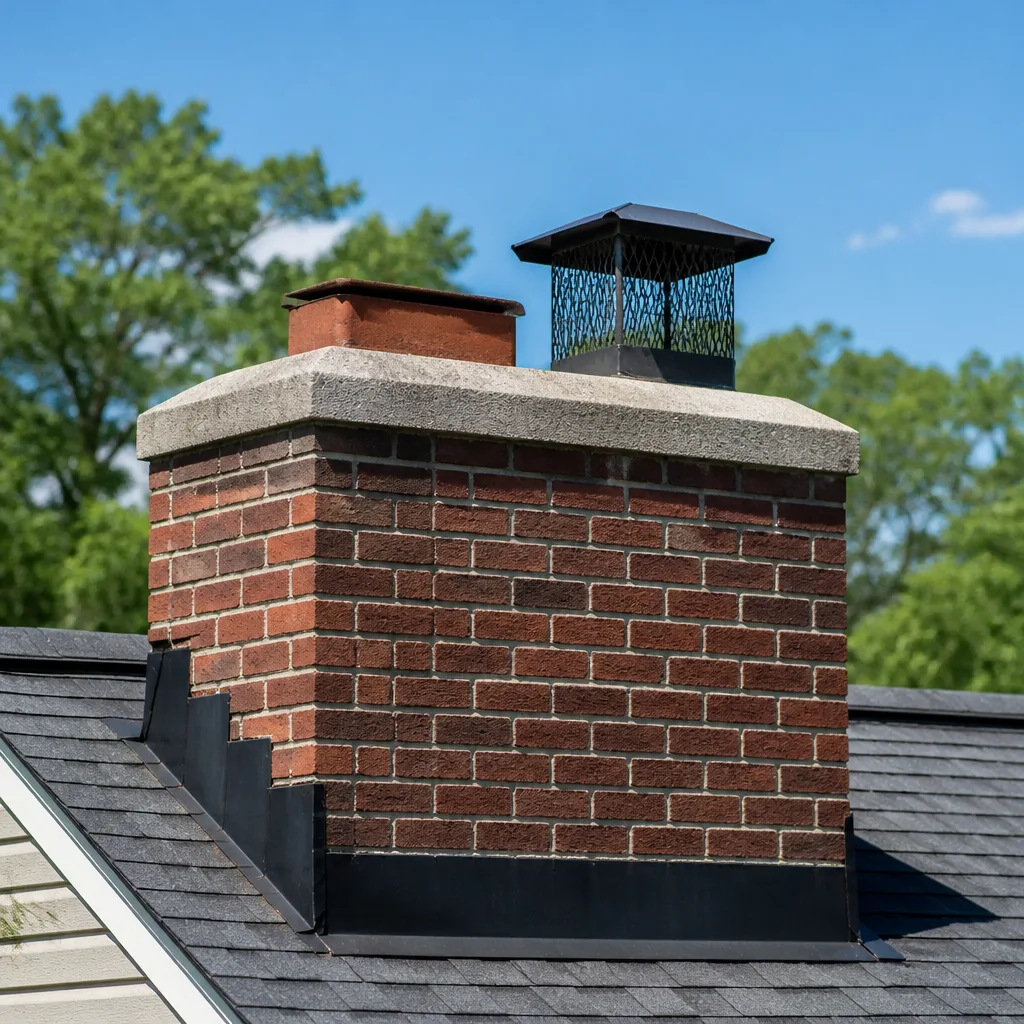 Sweep & inspection
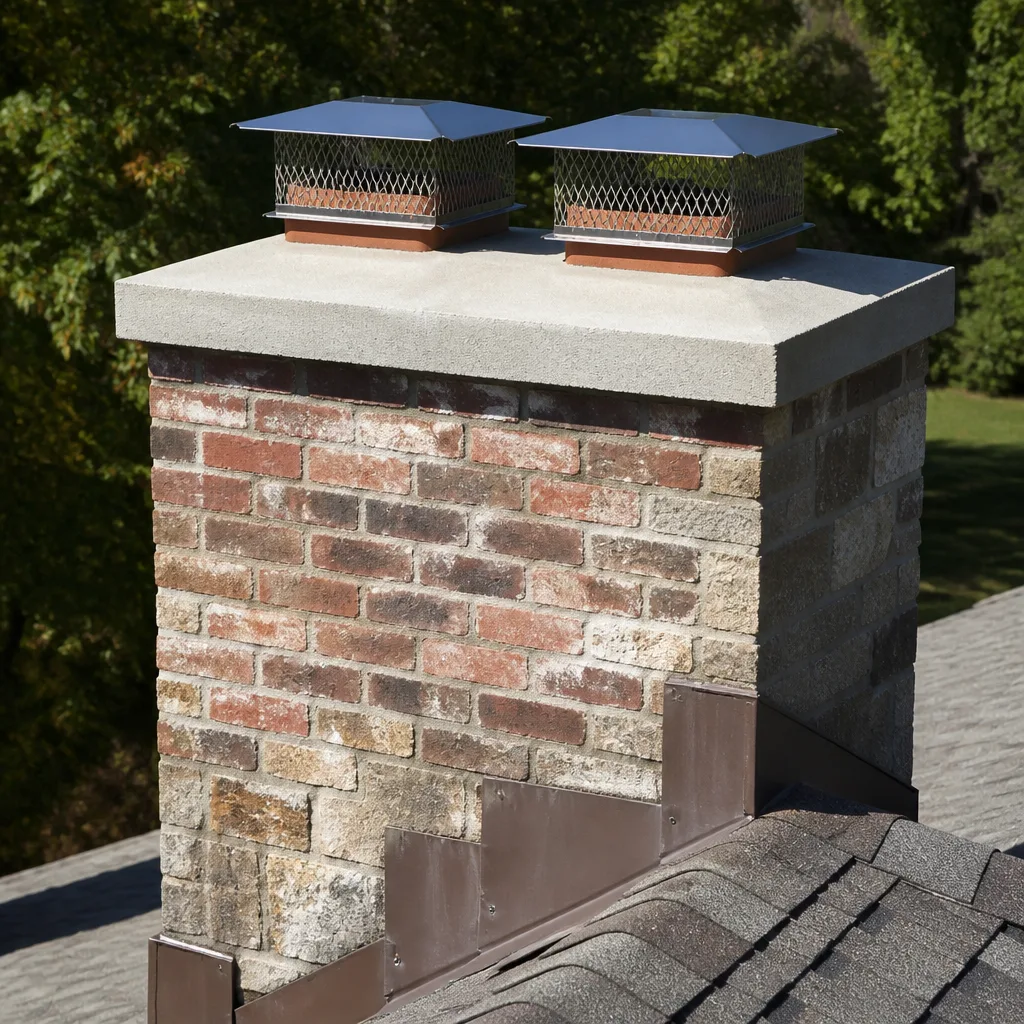 Caps & crowns
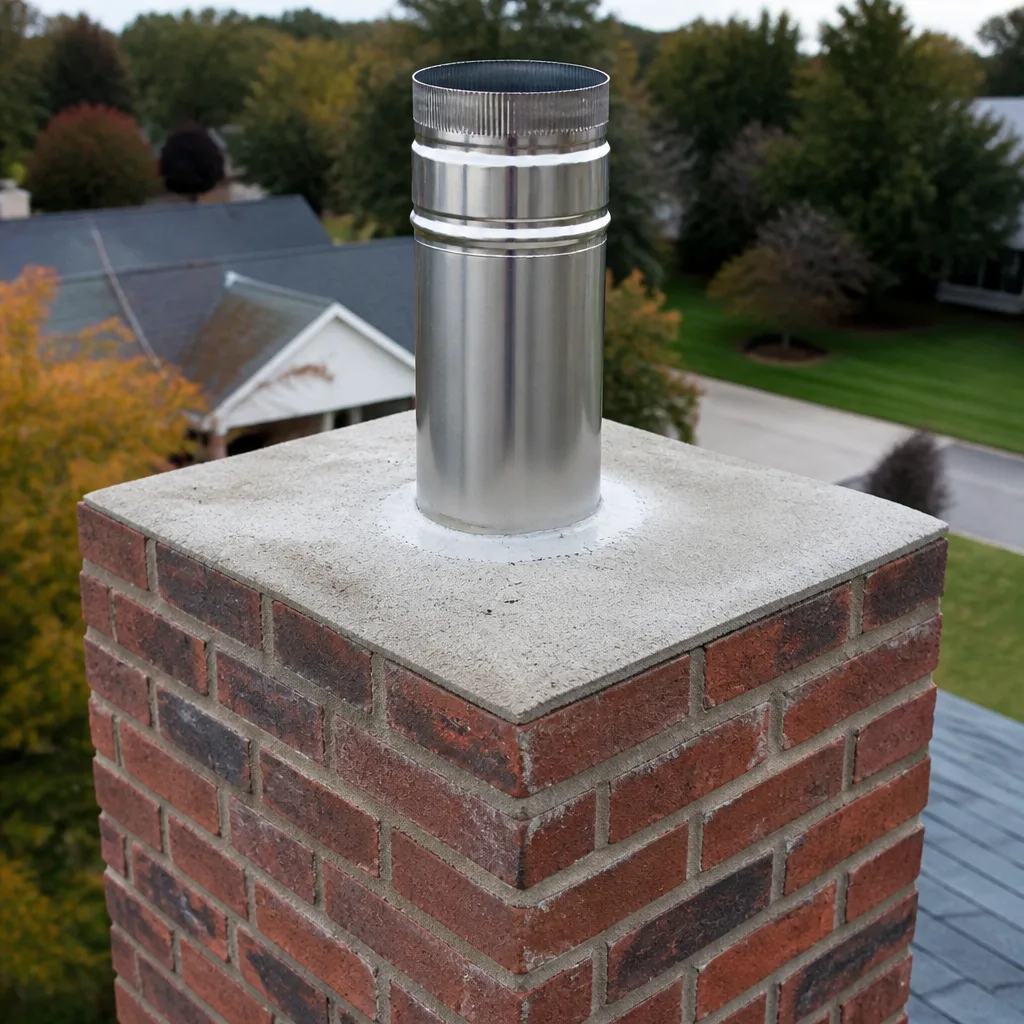 Flue relining
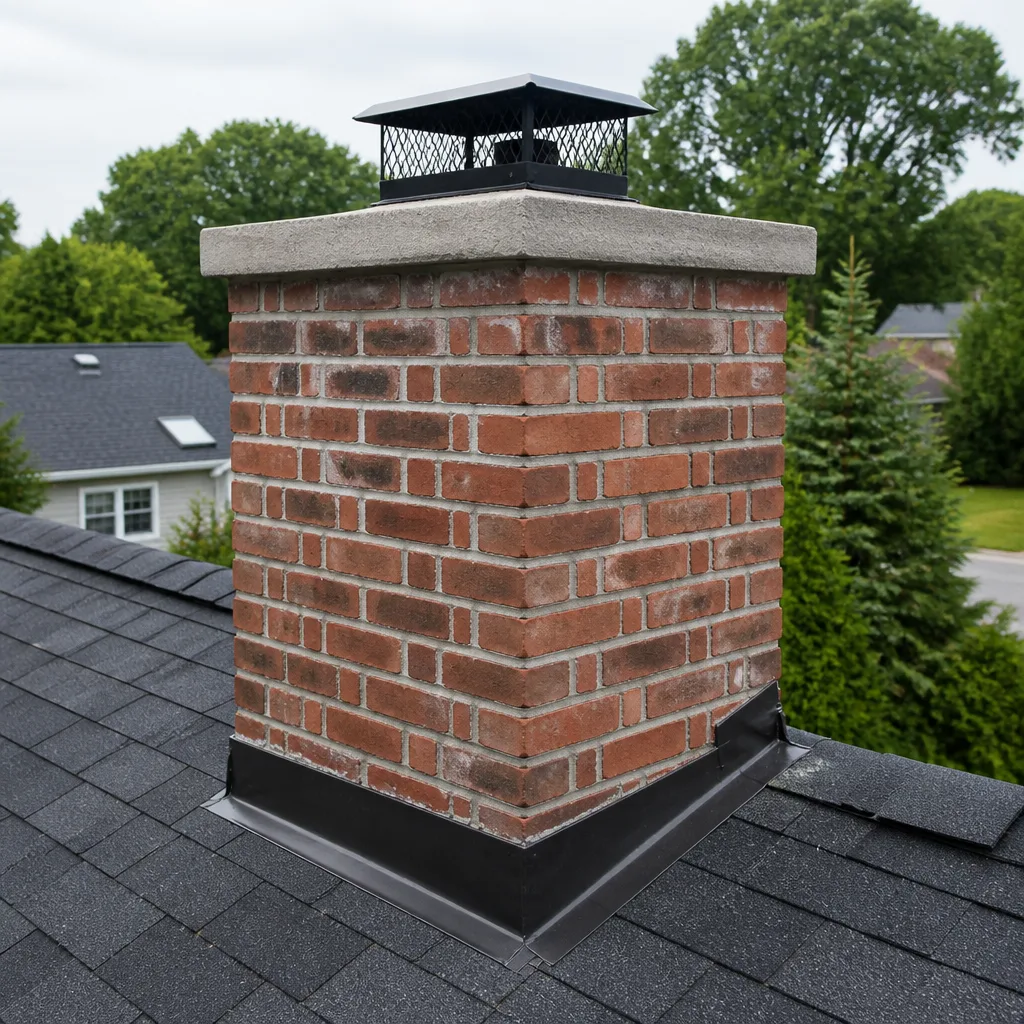 Masonry repair
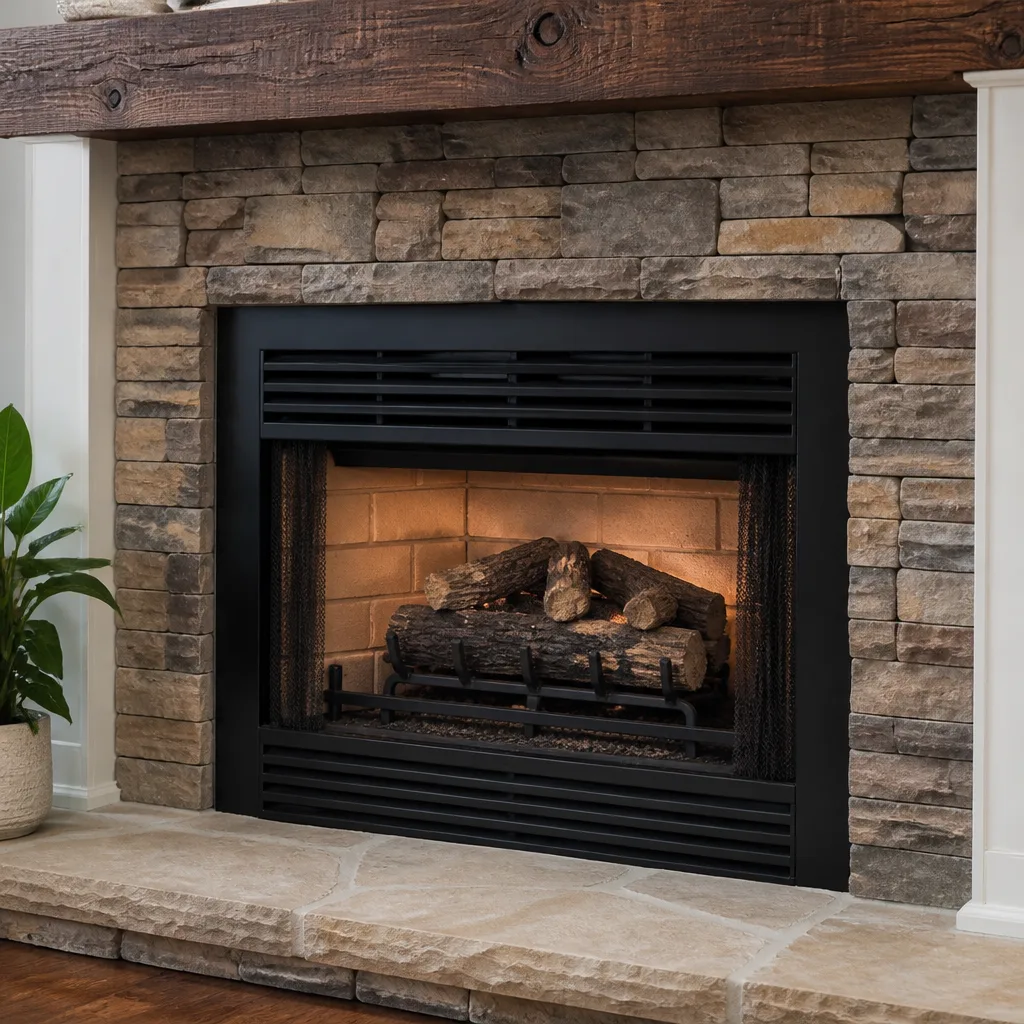 Gas fireplace service
Level 1 sweep and inspection to the NFPA 211 annual standard - flue, crown, cap, and flashing checked and photographed
Chimney sweep logs do not sweep chimneys. They loosen some creosote - which then falls where a brush and vacuum still have to collect it.
How to Hire a Chimney Cleaning Contractor in Kansas City: A Step-by-Step Guide
Any handyman with a brush and a Shop-Vac can print “chimney cleaning” on a flyer. The credential that actually separates a technician who can assess your flue system from someone running a vacuum over creosote takes real training to earn, and most homeowners in Kansas City never think to ask for it. That gap is where problems start. A sweep who can’t read a flue can’t tell you what’s wrong with it, and the outfit least equipped to do the work is often the one quoting the friendliest number. This guide walks through what certification genuinely means, the questions to ask before anyone climbs onto your roof, how to read the inspection report you’re handed, and how to confirm the person doing structural repair is covered by insurance that protects you, not just them. By the end you’ll know exactly what a qualified chimney contractor in Kansas City looks like and why the cheapest bid usually reflects a smaller job.
Quick Answer
To hire a chimney cleaning contractor in Kansas City, verify the certification behind the sweep, confirm in writing that the same company can handle liner and structural repair or has a documented referral, ask for a line-item scope rather than a flat number, and check that the contractor’s liability coverage extends to both cleaning and any structural work performed. A real specialist can explain what products go into your chimney and why, gives you a camera-backed inspection report, and prices the job in writing before work starts. If a company can only clean and can’t repair, it isn’t a chimney contractor – it’s a brush service.
Styles & brands we work with
- Sweep & inspection
- Caps & crowns
- Flue relining
- Masonry repair
- Gas fireplace service
Table of Contents
- What CSIA Certification Actually Tests, and Why It’s the Floor
- Questions to Ask Before Anyone Gets on Your Roof
- How to Read a Chimney Inspection Report
- Why the Lowest Bid Reflects Scope, Not Price
- Verifying Liability Insurance for Sweep and Structural Work
- Kansas City Chimney Conditions and What They Mean for Hiring
- Pro-Grade Materials vs. Hardware-Store Substitutes
- Why One Provider for Chimney and Dryer Vent Matters
What CSIA Certification Actually Tests, and Why It’s the Floor
A CSIA Certified Chimney Sweep holds a credential from the Chimney Safety Institute of America, and it means more than a completed class. To earn it, a technician has to pass a proctored exam covering chimney and vent construction, the science of how creosote forms and ignites, venting requirements for different appliance types, and the diagnostic logic of evaluating a flue system for safety. Certification also requires a code of ethics and ongoing education to keep it current. That’s the floor for anyone touching your chimney.
Why call it a floor rather than a ceiling? Because certification proves a technician can correctly evaluate a flue and identify problems. It does not automatically mean the company they work for can fix the problems it finds. Many certified sweep-only outfits are diligent and honest, and they will correctly tell you your liner is compromised. What they then do is hand you a phone number. The credential that matters for repair work is whether the company you hire carries the equipment, supplier relationships, and training to do the repair itself, or whether it subcontracted that out to whoever picks up.
When you’re vetting a contractor in Kansas City, ask two separate questions: Is the technician who arrives CSIA-certified? And does your company handle repair and relining directly, or do you refer it out? Those answers tell you what you’re actually buying. Pro-grade relining equipment using DuraFlex stainless systems, or HeatShield resurfacing capability for a liner that can be restored rather than replaced, sits with the contractor who does the repair. That’s not the same company as the one that only sweeps.
Questions to Ask Before Anyone Gets on Your Roof
The five minutes you spend on the phone will save you the grief of a bad inspection. Ask these questions before you book anything, and treat a fast, vague answer as an answer in itself.
- Is the technician who comes out CSIA-certified, and can you tell me their name before the appointment? A company that can’t answer this is guessing.
- Do you do video camera inspection, and does the camera scan the full flue or just the firebox? The flue is where most problems live. A brush alone tells you almost nothing about condition.
- If you find liner damage, can you repair it, and with what system? Listen for specific products – HeatShield resurfacing, DuraFlex stainless lining, purpose-built components from a supplier like Olympia Chimney or Copperfield. “We’ll take care of it” is not a scope.
- What does the written estimate include? A proper estimate itemizes inspection, cleaning, and any recommended repair separately, with the products named. Flat-fee quotes with no breakdown hide an unknown scope.
- Are you insured, and does the policy cover structural work or just cleaning? Ask for the certificate naming the coverage. A cleaning policy is not a repair policy.
- What does your report actually document? The report should record what the camera saw, in writing, with the photos attached so you can review them yourself.
Run these questions past any contractor you consider in Kansas City. The answers separate the professionals from the people who bought a truck and a ladder.
How to Read a Chimney Inspection Report
A chimney inspection report should be a record of what was observed, not a sales document. The good ones follow a recognizable structure, and knowing it helps you spot omissions that protect the contractor instead of you.
- Appliance and vent type. Wood-burning fireplace, gas insert, oil furnace, or wood stove all have different venting requirements. The report should name yours. If it doesn’t, the technician wasn’t paying attention.
- Flue condition, described in plain terms. Solid fuel chimney liners, masonry joints, cap, crown, flashing at the roofline, and the smoke chamber above the damper. Missing any of these means a gap in the inspection.
- Photos of every area evaluated. Not just the dramatic ones. A report with three photos of a cracked crown and nothing else isn’t an inspection, it’s a pitch.
- Stage of inspection clearly marked. A Level 1 inspection covers a visual check for a chimney used as-is. A Level 2 adds camera scanning and is standard when you’ve changed appliances, had a chimney fire, or are buying a house. A Level 3 opens concealed areas and is rarely needed. Confusing the levels is common, and the report should tell you which one you got.
- Recommendations separated from findings. The observation (“liner joint separated, visible gap at 6 feet”) is not the same as the recommendation (“resurface with HeatShield”). A report that merges the two, or recommends work with no evidence behind it, isn’t protecting you.
If you can look at the report and photos and understand what was found, the contractor did their job. If the narrative reads like an invoice, ask them to show you the camera evidence again.
Why the Lowest Bid Reflects Scope, Not Price
Every chimney job involves the same broad set of steps – inspection, cleaning, and repair – but the depth of each step varies enormously by company. When one bid comes in dramatically lower than others, it almost never means the first company is more efficient. It means they’ve priced a smaller job.
Here’s how scope shrinks without showing up on the invoice:
- The inspection becomes a look-see. No camera scan, no written report. The sweep cleans and leaves, and you have no evidence of what condition your flue is in.
- Repair work gets referred out. They recommend a liner fix but can’t perform it, so they either pass the job to a company that can and take a cut, or leave it entirely on you to sort out.
- Materials get cheaper. A reliner working with generic parts sourced from a box store quotes less than a company using DuraFlex or Olympia Chimney components because the parts actually cost different amounts. The invoice looks comparable until you learn what went in.
- The report is verbal. Nothing in writing means nothing to verify. A verbal “looks good” is free to deliver and impossible to challenge.
The right move is to compare scopes, line by line, before comparing totals. Ask each bidder what the inspection covers, what the report includes, what specific products the repair would use, and whether they perform the work themselves. That’s how a Kansas City homeowner ends up with the right job rather than the cheapest one. A contractor who uses professional-grade brands on every job has a higher floor, and the honest low bid reflects that same specificity. Our Kansas City chimney cleaning service starts with that full inspection before we quote anything.
Verifying Liability Insurance for Sweep and Structural Work
The sweep that vacuums your firebox and the technician who performs structural relining are two different risk profiles, and they aren’t always covered by the same policy. That’s the test most homeowners skip.
- Ask for a certificate of insurance before booking. The certificate is a one-page document showing the carrier, policy type, and coverage limits. A legitimately insured contractor can send it same day. If they can’t or won’t, stop there.
- Confirm the policy covers structural work, not just cleaning. Cleaning falls under general liability. Relining, resurfacing, and other structural repair may require different coverage or a higher limit. Ask the contractor to confirm in writing that the policy covers both.
- Check the coverage dates. A certificate that expired is not insurance. Verify it’s current through the date the work is scheduled.
- Ask who the policy names. The company you hire should be the named insured, not the individual technician as a subcontractor.
- Keep a copy. If a problem ever comes up, you want the paper trail in your own files, not just on the contractor’s.
This matters more in Kansas City than many homeowners realize, because a great deal of the “chimney cleaning” advertised locally is performed by unlicensed handymen for whom a sweep is a side job. They can clean. They generally cannot and should not reline. Insurance that covers a brush service is not insurance that protects you if a structural repair goes wrong.
Kansas City Chimney Conditions and What They Mean for Hiring
Chimney wear is not the same everywhere, and what your flue experiences through a Kansas City year sets the terms for how often it needs attention and what kind of repair it’s likeliest to need. The repeated freeze-and-thaw cycles through winter are hard on masonry. Moisture works into small cracks in the crown and mortar joints, freezes, expands, and widens over the season. A masonry chimney that was sound in October can show visible spalling by spring. This is why a contractor who inspects the crown and the masonry at the roofline, not just the firebox, is looking at the parts of the chimney that Kansas City weather actually attacks.
Wood-burning is still common across the metro, from older neighborhoods in Kansas City, Kansas to the surrounding suburbs, and that means creosote buildup matters. How fast it accumulates depends on how the fire is run, the moisture content of the wood, and the flue’s draft. A homeowner burning dry, well-seasoned hardwood and getting the flue up to temperature builds less than someone burning unseasoned wood in a slow, smoldering fire. The kind of creosote that forms also varies: surface-level soot cleans off readily, while the glazed stage is harder and far more flammable. A sweep should be able to tell you which stage you’re in and what it means for your maintenance interval.
Gas inserts and vented appliances have their own venting requirements, and a contractor who works only with wood-burning fireplaces isn’t the right hire if your setup is gas. When you interview contractors in Kansas City, ask which appliance types they service and whether their equipment handles each. For the Kansas City, Kansas side specifically, Kansas City homes often sit on older masonry chimneys where a camera scan and a look at the crown are worth insisting on. The chimney sweep visit is the entry point, but the inspection report it produces is what tells you what else you actually need.
Pro-Grade Materials vs. Hardware-Store Substitutes
When a repair is recommended, the next question is what goes into your chimney. That answer separates a chimney specialist from a generalist, and it’s the single most useful question you can ask at the estimate stage.
A chimney reline is a structural job. The stainless liner system, the insulation, the top plate, the cap – each part has to be rated for the appliance and the flue. Companies using DuraFlex stainless systems install parts designed and tested for that purpose. A HeatShield resurfacing job uses a proprietary system to restore a damaged flue from the inside, which is a different path from full replacement and lets a homeowner keep a chimney that would otherwise need to be torn out. Caps, covers, and venting components from brands like Famco and Gelco are purpose-built chimney products, not general hardware substituted for convenience. The difference matters because a chimney is not a generic “pipe” job, and the parts are not interchangeable.
Ask each contractor: What specific product would you use on my chimney, and why that one? A company that names the system and explains the choice has done this before. A company that says “whatever the supplier has” hasn’t. Our repair work uses a defined brand stack – DuraFlex, HeatShield, Gelco, Olympia Chimney, Famco, and Copperfield – because the right product for the job is the one designed for the job. When you’re reading bids in Kansas City, compare the materials, not just the bottom line.
Why One Provider for Chimney and Dryer Vent Matters
Chimney fires and dryer vent fires are the two leading categories of residential fire risk that a homeowner can actually prevent with routine maintenance. They also sit next to each other in the house – the chimney runs up through the structure, the dryer vent runs out – and lint accumulation in a dryer vent behaves much like creosote in a flue: it builds up slowly, out of sight, until it doesn’t. A contractor who handles both means one relationship, one set of scheduling decisions, and one person who has actually seen both systems in your house.
Splitting that work between two companies costs more in coordination than it saves. You call one for the chimney in the fall and the second for the dryer vent whenever you remember, and neither knows what the other saw. A single provider can look at the whole picture, and if lint buildup or a vent routing issue turns up alongside the chimney visit, it gets addressed as part of the same conversation. Our dryer vent cleaning service runs alongside the chimney work for exactly this reason. When you’re hiring a chimney contractor in Kansas City, ask whether they also do dryer vent. If the answer is no, you’re hiring half the service relationship you need.
Common Mistakes to Avoid
- Hiring on price alone without comparing scope. Two quotes look different only because one covers less. Ask what’s actually in each bid before choosing.
- Accepting a sweep with no camera inspection. A brush and a vacuum tell you almost nothing about the flue’s condition. Insist on camera scanning and a written report with photos.
- Skipping CSIA verification. Almost every unlicensed handyman with a ladder markets “chimney cleaning.” Ask for the certification and confirm the technician is credentialed before booking.
- Assuming the sweep can reline. Certification to clean is not certification or equipment to repair. Ask directly whether the company performs structural work or refers it out.
- Comparing bids with unnamed materials. “Stainless liner” is not a scope. Ask which system, by name, and why it’s right for your appliance.
- Letting a repair go without checking insurance. A contractor insured for cleaning but not structural work leaves you exposed if something goes wrong up top.
- Putting off the dryer vent. It’s the other leading preventable fire risk in the home, and it’s easy to forget. Have it cleaned alongside your chimney inspection.
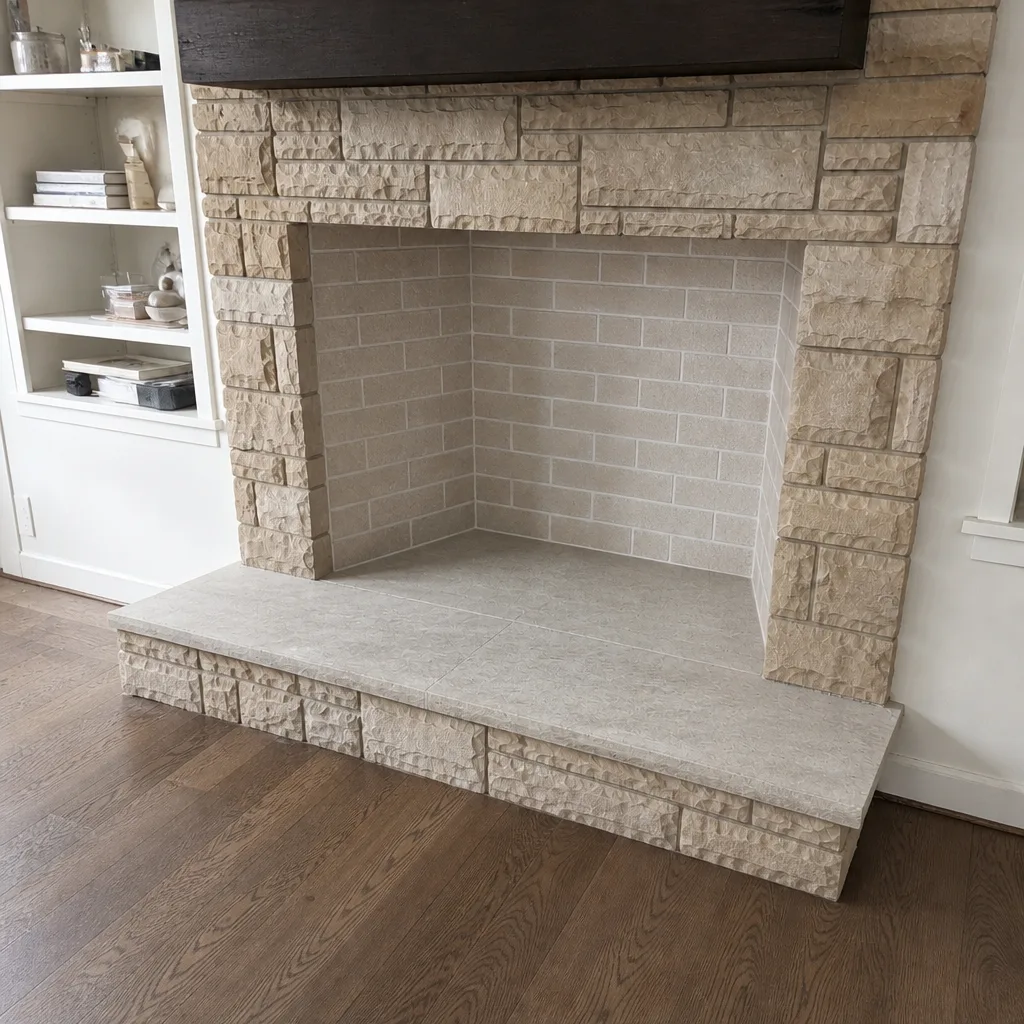
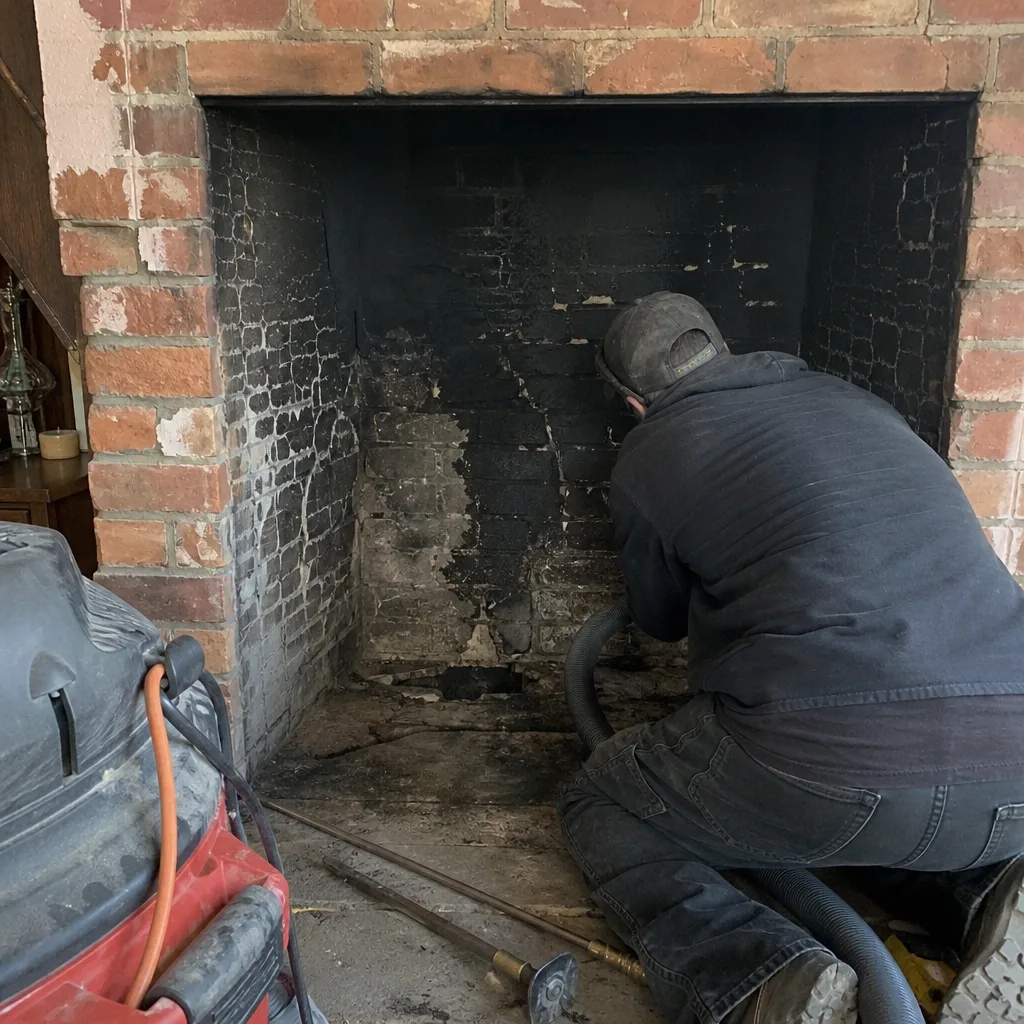
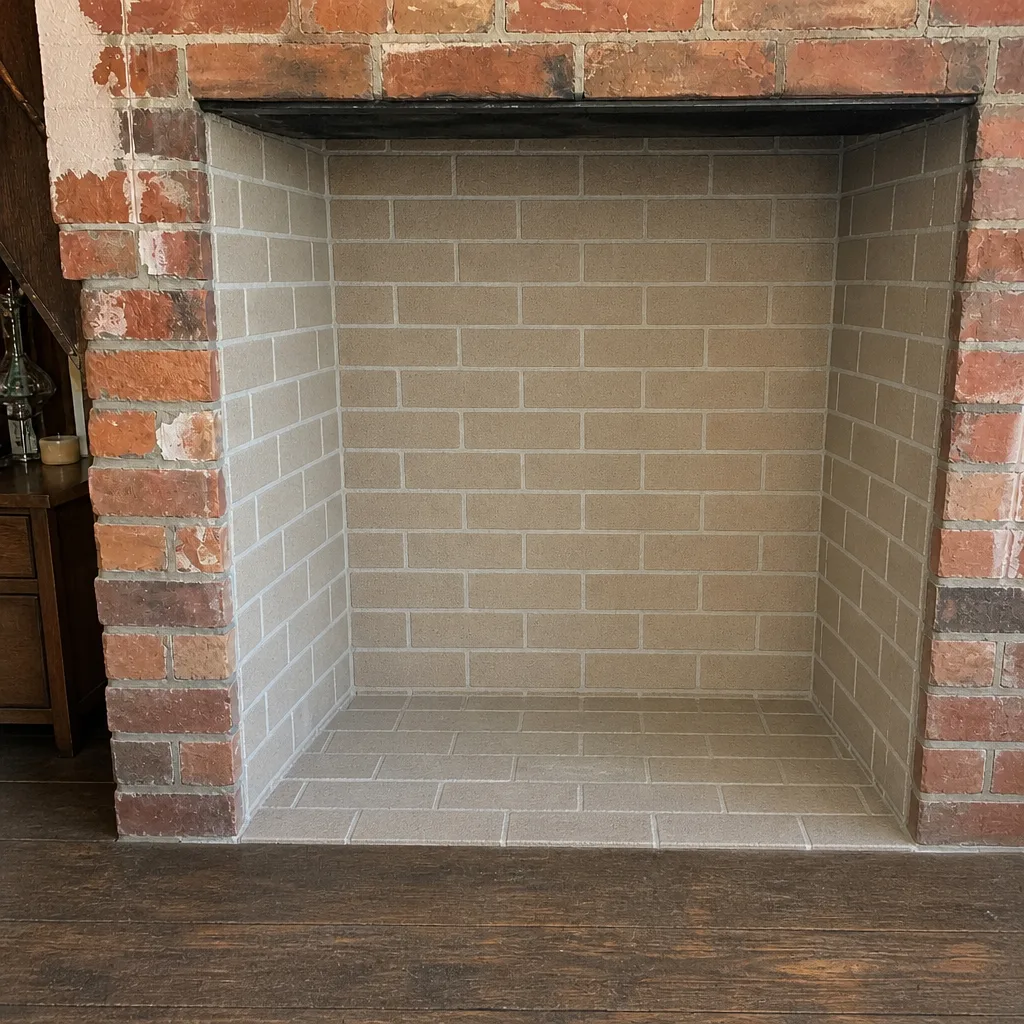
See the difference
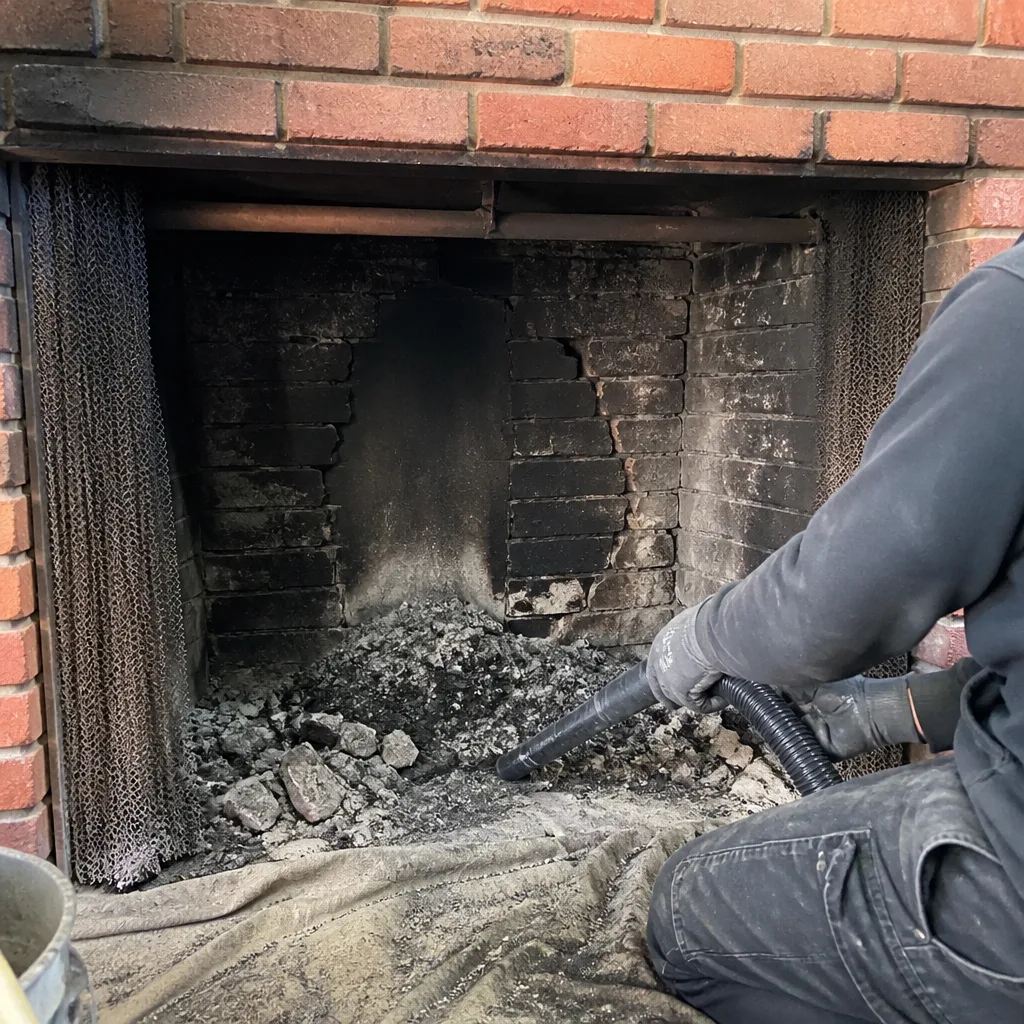 Before
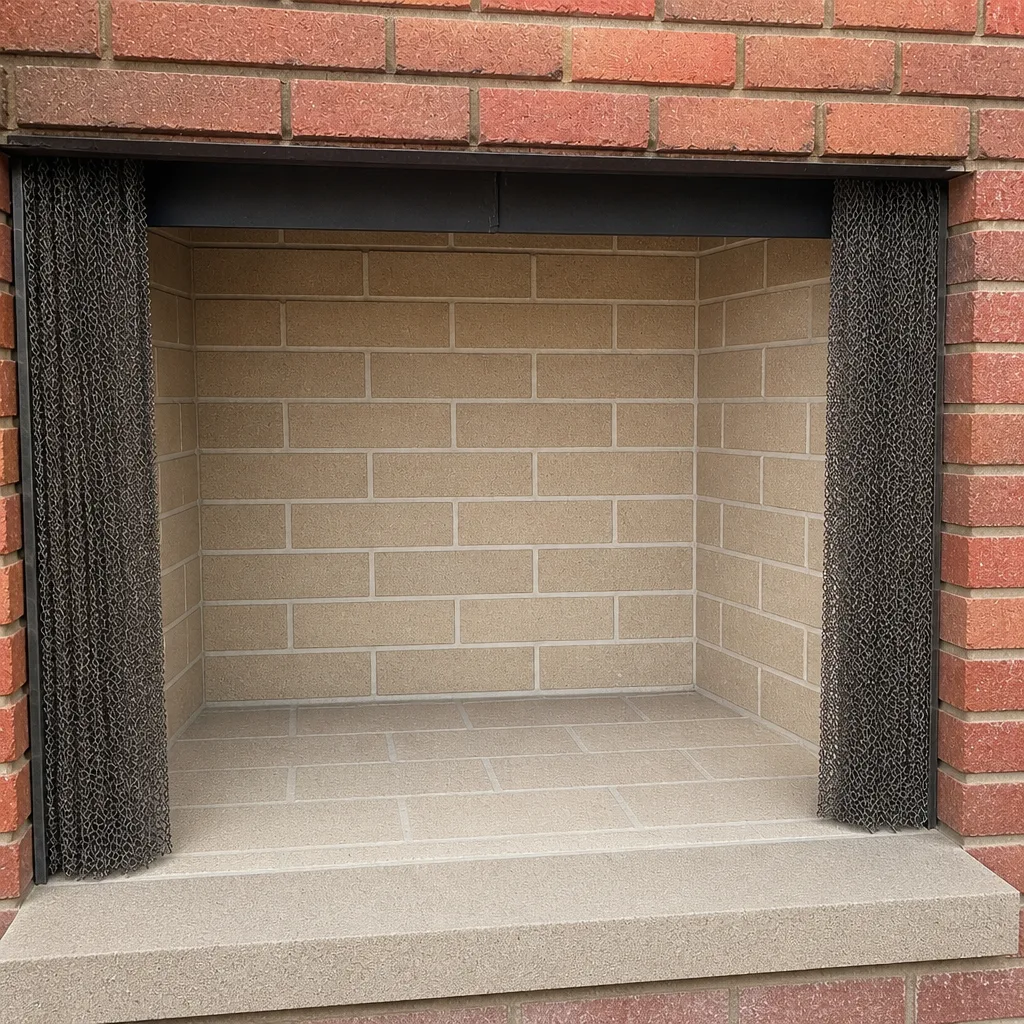 After
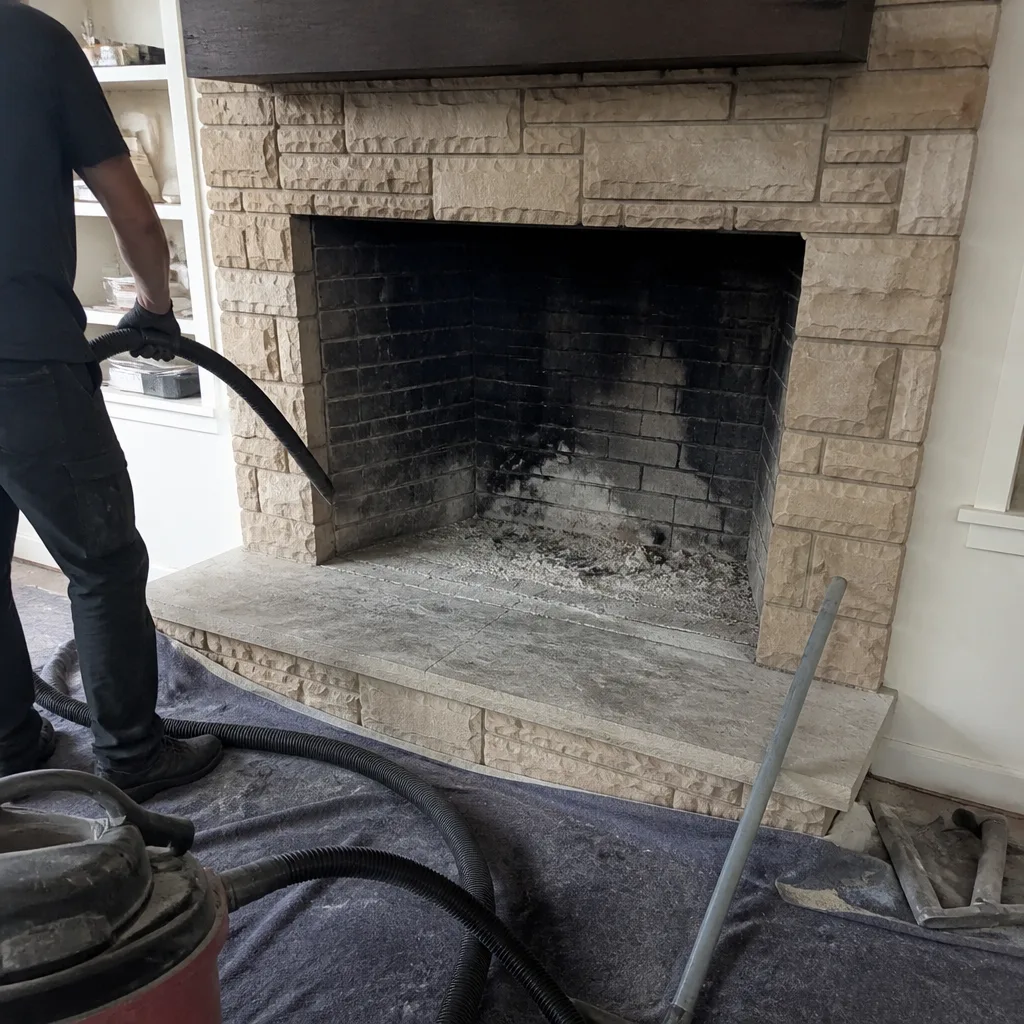 Before
 After
 Before
 After
When to Call a Professional
Some chimney work is genuinely do-it-yourself territory – sweeping out the firebox, checking the cap by eye from the ground. Most of the work that matters is not. Call a professional when you notice creosote buildup you can see or feel, when the fire is drafting poorly, when you’ve had any chimney fire no matter how small, when you’re changing fireplace or appliance types, or before buying a house that has a wood-burning fireplace. Call sooner if you smell smoke in the house when the fire is going or the chimney smells strong even when it’s cold. Any structural repair – relining, resurfacing, rebuilding the crown – is a professional job, full stop. Our technicians have up to 12 years of experience and use a defined stack of pro-grade materials on every repair. Kansas City Chimney Cleaning offers free estimates in Kansas City – call (866) 480-2930.
Frequently Asked Questions
A chimney sweep in Kansas City is a per-job service priced by written estimate, and the final price comes from what the inspection actually finds – the number of flues, appliance type, and whether any repair is needed. The estimate is free, and it sets the price before any work begins. Call (866) 480-2930 for an exact quote – estimates are free.
Not always, and it’s the most common question homeowners ask because it’s the most expensive-sounding recommendation in chimney work. A proper contractor doesn’t recommend a liner without camera evidence you can see yourself – cracked joints, separated sections, gaps at connections. Sometimes the honest answer is that a HeatShield resurfacing can restore the liner without full replacement, and sometimes it’s that nothing needs doing yet. If a contractor can’t show you the evidence behind a liner recommendation, ask for it before agreeing. Call (866) 480-2930 for an exact quote.
For a wood-burning fireplace in regular use, an annual inspection is the standard, and cleaning frequency depends on how much creosote your fire habits produce – glazed buildup warrants a sweep sooner than soot. Gas and oil appliances have their own service intervals tied to the appliance and venting system. Ask your contractor to tell you what interval fits your specific setup after the inspection. Kansas City’s freeze-thaw cycle is also a good reason to have the crown and masonry looked at annually. Call (866) 480-2930 to book an inspection.
Skipped chimney maintenance means creosote builds up unobserved, and the flammable stage – glazed creosote – ignites at a lower temperature than the early stages. A chimney fire can be small and go unnoticed, and it still damages the liner. Beyond fire risk, undocumented maintenance means a problem in the crown or masonry goes undetected through the winter freeze cycle. The risk isn’t being exaggerated; it’s why sweeps exist. Call (866) 480-2930 for an exact quote.
A full-service chimney contractor does both, and hiring one that only sweeps means a referral – not a repair. We’ve seen Kansas City homeowners spend more coordinating a sweep and a separate reliner than a single full-service contractor would have charged, because the two companies never overlap. Ask each contractor you interview whether they perform structural work themselves and what system they use. From sweep to structural repair under one company is the simpler and usually safer arrangement.
Ask for a certificate of insurance showing the carrier, policy type, and current coverage dates, and ask the contractor to confirm in writing that the policy covers structural work, not just cleaning. A cleaning-only policy won’t protect you if a reline goes wrong. Keep the certificate in your own files. If a contractor hesitates or can’t produce it, move on. Call (866) 480-2930 for an exact quote.
The Bottom Line
Hiring a chimney contractor in Kansas City is about matching the credential and the capability to the work you actually need. The CSIA certification is the floor. The questions you ask before anyone gets on the roof separate a sweep from a specialist. The written report with camera evidence separates a real inspection from a pitch. The materials named in the bid separate pro-grade work from whatever’s on the shelf, and the insurance certificate separates a contractor who can cover a structural repair from one who leaves you exposed. The cheapest bid rarely reflects a better price – it reflects a smaller job. When you’re ready, one provider who does the sweep, the repair, and the dryer vent keeps the whole fire-safety picture under one roof, and that’s the arrangement that serves you.
Contact
Kansas City Chimney Cleaning handles the full range – sweep, repair, and dryer vent cleaning – with pro-grade materials on every job. Our technicians have up to 12 years of experience, and every estimate is free. Call (866) 480-2930. We answer 24/7. Fast dispatch from 7am to 7pm, Sunday through Friday.
Written by the team at Kansas City Chimney Cleaning.