
Last updated November 15, 2026
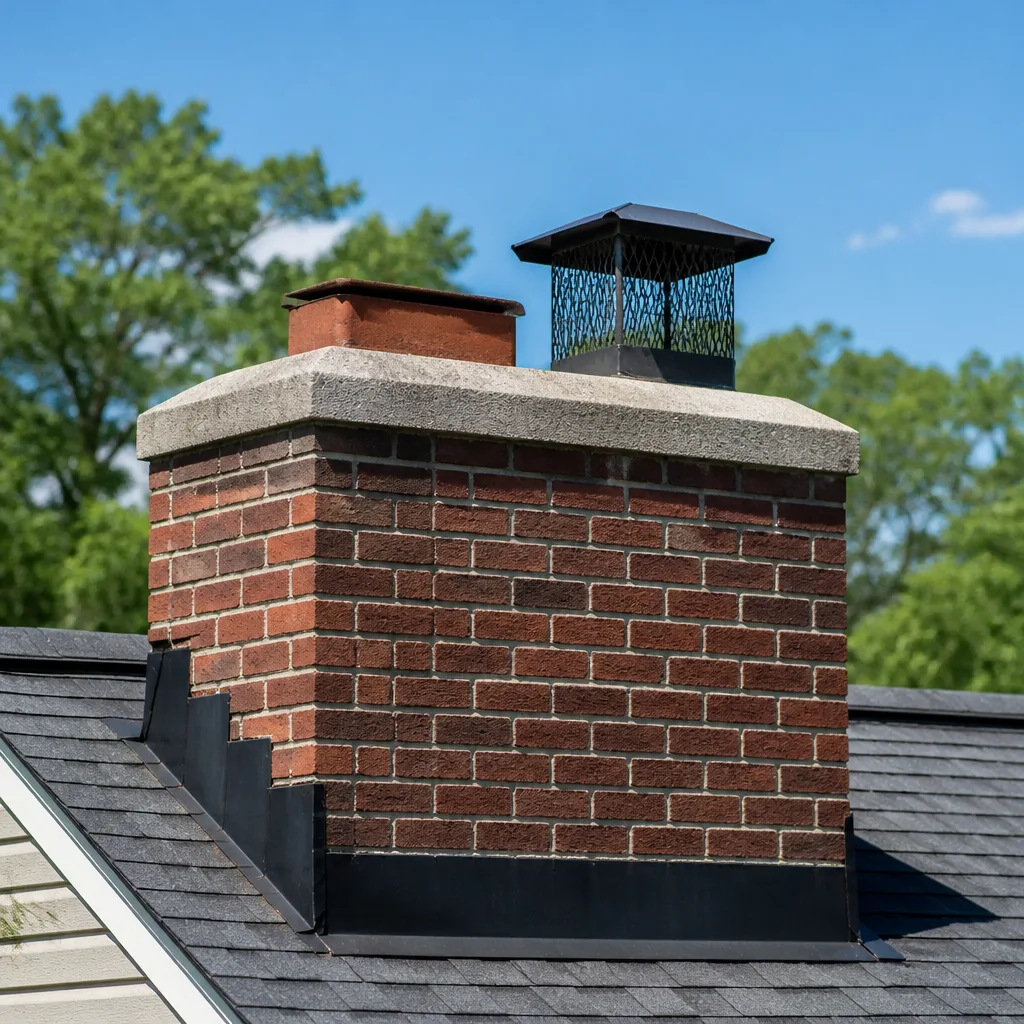 Sweep & inspection
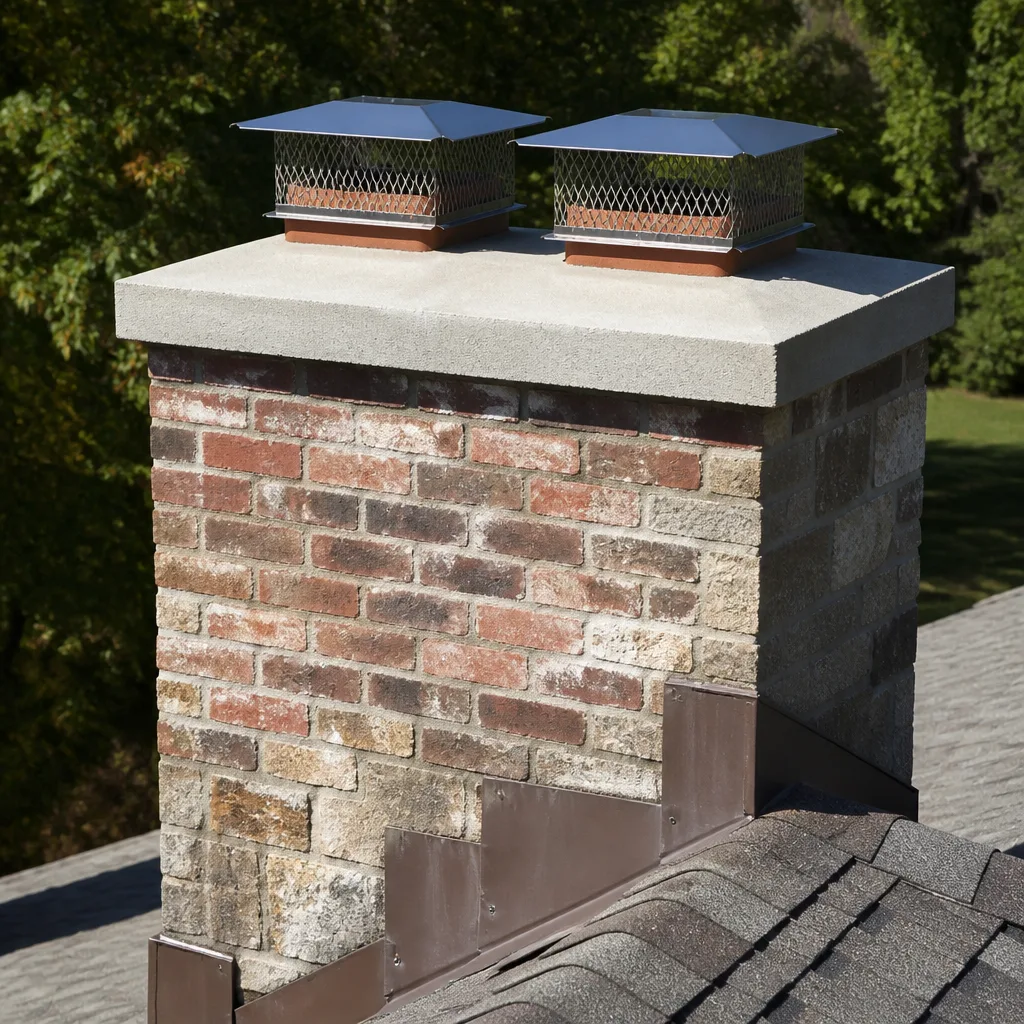 Caps & crowns
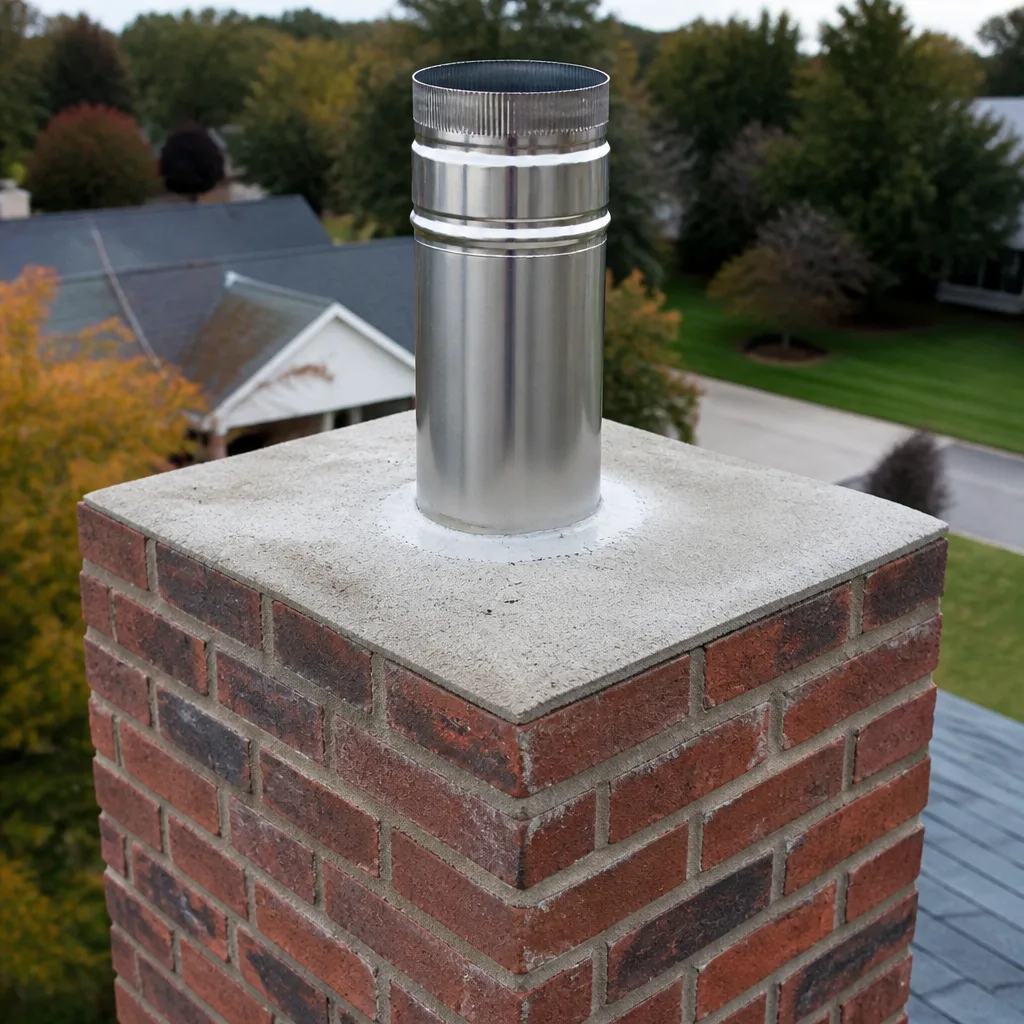 Flue relining
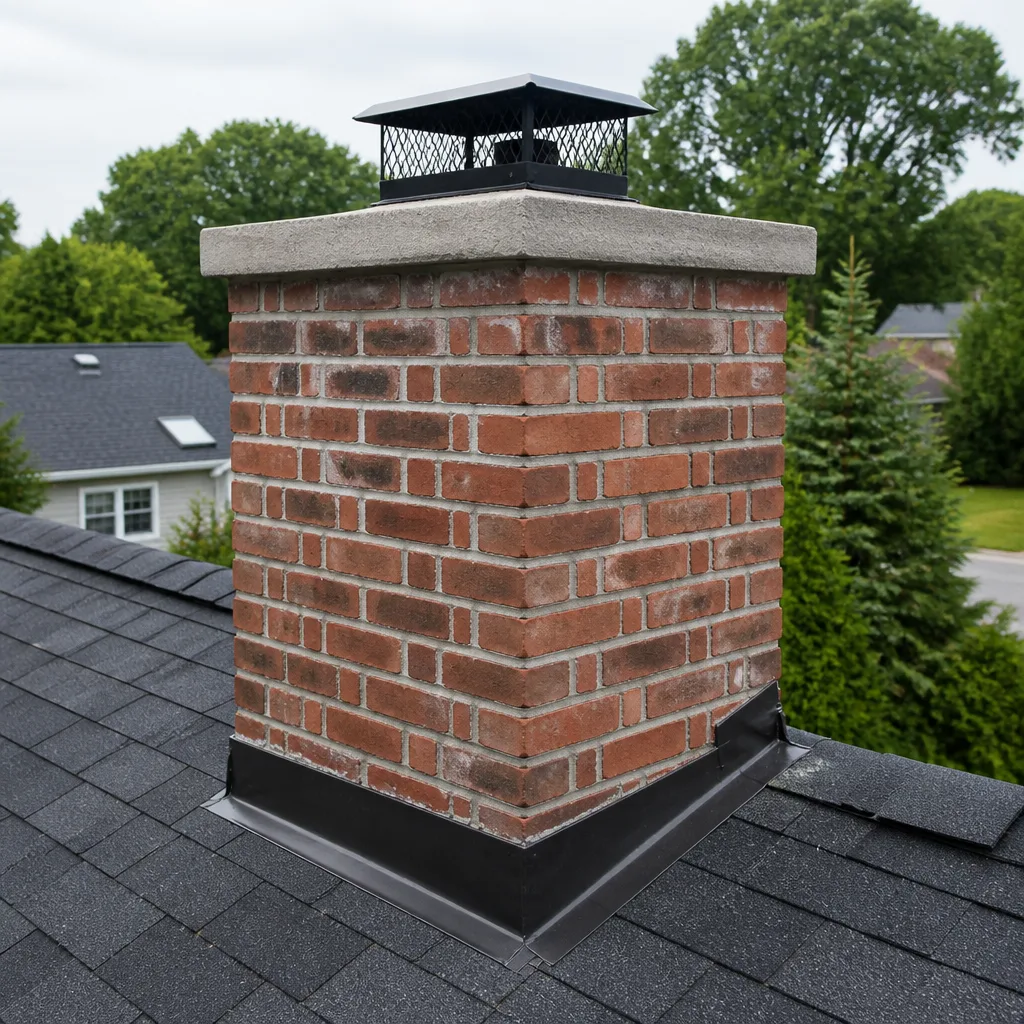 Masonry repair
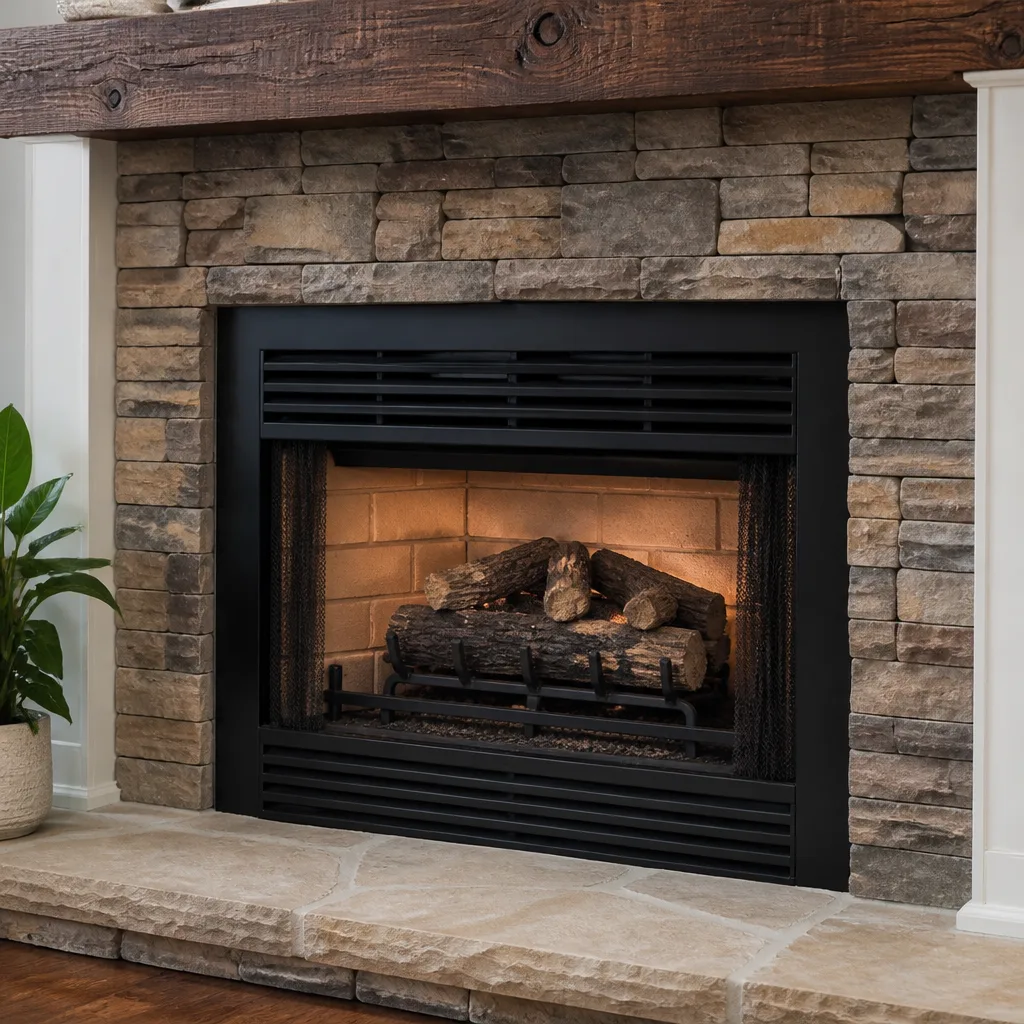 Gas fireplace service
Level 1 sweep and inspection to the NFPA 211 annual standard - flue, crown, cap, and flashing checked and photographed
Chimney sweep logs do not sweep chimneys. They loosen some creosote - which then falls where a brush and vacuum still have to collect it.
Chimney Cleaning Cost Breakdown: The Kansas City Homeowner’s Reference for 2026
A $99 chimney sweep special and a $299 sweep quote can describe the exact same physical task, or they can describe completely different scopes of work. The number alone tells you nothing. What matters is what’s included, what’s excluded, and what gets added once a technician is already up on your roof with a flashlight and a shop vacuum. In Kansas City, we see quotes move in both directions for that reason. Some homeowners pay too little and inherit a follow-up invoice bigger than the original job. Others pay for services they never needed. This guide breaks down every legitimate line item you might see on a 2026 chimney invoice here, what fair pricing looks like, and how to tell an honest scope from a padded one.
Quick Answer
A standard chimney sweep in Kansas City typically runs $180 to $320 for a wood-burning fireplace, and a sweep plus a Level 2 camera inspection usually lands between $250 and $425. Stainless steel liner replacement is a separate repair, generally $2,800 to $6,500 depending on height, flue size and appliance type. Any quote you get should itemize each line so you can compare like for like, and the written estimate is what sets the final price.
Styles & brands we work with
- Sweep & inspection
- Caps & crowns
- Flue relining
- Masonry repair
- Gas fireplace service
Table of Contents
- Why Chimney Cleaning Quotes Vary So Much in Kansas City
- Line-by-Line: What Appears on a Kansas City Chimney Invoice
- Cleaning-Only vs. Cleaning-Plus-Inspection: The Scope Gap That Costs You
- Which Add-Ons Are Legitimate and Which Are Upsold
- How House Type and Chimney Access Affect Kansas City Pricing
- What a Fair Repair Estimate Looks Like vs. a Padded One
- How Often to Schedule a Sweep in Kansas City
- Common Mistakes to Avoid
Why Chimney Cleaning Quotes Vary So Much in Kansas City
The biggest driver of variation isn’t labor. It’s scope. A sweep that covers the flue only is a different job than a sweep plus a firebox cleaning, a smoke chamber brushing, a damper inspection and a camera pass down the flue. Contractors quote different combinations of those tasks and label them all “chimney cleaning,” which is why the same phrase produces a $99 quote and a $299 quote on the same house. Neither is automatically dishonest, but only one will tell you the condition of your chimney.
The second driver is access. A chimney that meets code height on a single-story bungalow is straightforward. A two-story home in Brookside or Waldo with a steep roof pitch and a chimney on the far side of the ridge is a different job entirely, and the setup time reflects that. Height, pitch, roof material, and whether the technician can safely walk the roof or has to work from a ladder all move the number.
The third driver is what’s actually in the flue. A wood-burning fireplace with a light glaze of soot is quick. A flue with heavy creosote buildup, a bird nest, or a partially collapsed clay tile takes more time and more care. A sweep quote given over the phone before anyone looks up the chimney is an estimate with no evidence behind it. A fair quote gets confirmed on site once the technician sees what’s there.
A fourth factor is what the company carries on the visit. A sweep-only outfit quotes the cleaning and leaves. A full-service chimney company, like ours, quotes the cleaning and the inspection together, because that’s the only way the homeowner knows whether the flue is safe to use in the first place. We resurface, reline, and repair, not just sweep, and that changes what we recommend even on a routine job.
Line-by-Line: What Appears on a Kansas City Chimney Invoice
Here’s what a legitimate 2026 chimney invoice in the Kansas City area can include. These are typical ranges, not fixed prices; every job is quoted on its own written estimate. Use this list to compare quotes line by line.
| Line Item | Typical 2026 Range | What It Covers |
|---|---|---|
| Standard sweep (wood-burning fireplace) | $180 – $320 | Flue brushing, firebox and smoke chamber cleaning, soot removal |
| Level 1 inspection | $75 – $150 | Visual check of accessible chimney components, often bundled with a sweep |
| Level 2 inspection (camera) | $150 – $350 | Video scan of the flue interior, used when a liner or appliance changes or a problem is suspected |
| Gas insert or gas appliance sweep | $150 – $250 | Flue and venting check for a gas-fired unit |
| Animal or debris removal | $150 – $400 | Nest, bird or squirrel removal plus sanitizing where required |
| Chimney cap installation | $200 – $500 | Purpose-built cap and screen (Gelco and Famco components are typical) |
| Crown repair or rebuild | $450 – $1,600 | Cracked or spalling crown repair; rebuild costs more |
| Stainless steel liner replacement | $2,800 – $6,500 | Full relining, appliance-specific (DuraFlex systems for wood, gas and oil) |
| HeatShield resurfacing | $1,200 – $3,200 | Restoring a damaged clay liner where full replacement isn’t required |
| Masonry repair (brick, mortar) | $400 – $2,500+ | Depends on extent; tuckpointing costs less than rebuild |
| Dryer vent cleaning | $125 – $250 | Full vent run cleared and inspected |
Two rules apply to every line. The first is that a legitimate quote states what the price includes and what it excludes. The second is that a fair contractor will tell you plainly when a line can wait. If your crown has a hairline crack but isn’t letting water in yet, you don’t need it rebuilt today. If the liner is intact and the appliance is unchanged, you likely don’t need a Level 2 camera inspection this year. Those aren’t hard sells; they’re honest calls.
The one line that should always be included in a repair estimate is the camera evidence. Any contractor recommending a liner replacement or masonry rebuild should be able to show you the video or photo of what they’re seeing. That’s the difference between a finding and a sales pitch.
Cleaning-Only vs. Cleaning-Plus-Inspection: The Scope Gap That Costs You
Here’s the scenario that plays out in Kansas City repeatedly. A homeowner books the cheapest sweep they can find. The technician cleans the flue, hands over a receipt, and leaves. Two months later the homeowner smells smoke in the house, calls someone else, and finds out the flue has a cracked clay tile that has been there for years. Now the fix is a $3,000 reline instead of a $180 repair.
The cheaper scope was cheaper because it didn’t look. That’s the whole answer. A cleaning-only visit doesn’t tell you the condition of what was cleaned. A cleaning-plus-inspection scope does, and that’s what actually protects you. The inspection line is typically $75 to $150 when bundled with a sweep, less than a quarter of what a repair costs when the problem is found late.
A legitimate inspection covers these in order:
- Exterior of the chimney: crown, flashing, brick, mortar, cap and screen.
- Firebox and damper: condition of the brick, damper operation, any rust or cracks.
- Smoke chamber: buildup of soot or glaze, tile joints.
- Flue interior: clay tile or liner integrity, offset or misalignment, obstruction.
- Connector and appliance (if applicable): the flue pipe from a wood stove, insert or gas appliance.
- Roof and attic penetration (where accessible): water intrusion points, insulation contact.
In our experience, the inspection step is where homeowners actually learn what they’re living with. We’d rather run the camera and show a clean flue than take a $99 job and leave the homeowner guessing. When a liner needs real attention, HeatShield resurfacing or a DuraFlex stainless reline is the kind of fix a sweep-only contractor can’t offer. That’s the whole point of a full-service scope: the same visit that finds the problem can quote the repair.
Which Add-Ons Are Legitimate and Which Are Upsold
Add-ons get a bad reputation because some are unnecessary and some are honest findings. The difference usually comes down to whether the technician can show you evidence for the recommendation. Here’s how to sort them.
Legitimate add-ons with clear evidence:
- Chimney cap installation: If your flue is open to the sky, you’re allowing rain, birds and squirrels in. A purpose-built cap is one of the cheapest protections you can add. Gelco and Famco components are the standard, not a hardware-store substitute.
- Liner repair or resurfacing: When the camera shows cracked or spalling clay tile, this is a real finding. HeatShield resurfacing can restore liners that a sweep-only contractor would only push you to replace, giving you a proven, cost-effective repair path before full replacement enters the conversation.
- Stainless steel relining: When the existing liner is beyond resurfacing, a DuraFlex reline is the structural fix for wood, gas or oil appliances. Legitimate, evidence-required, and outside the scope of a sweep-only vendor entirely.
- Crown repair: A crown that is cracked, spalling or pulling away from the chimney lets water in, which is the leading cause of masonry damage. A visible crack with active water intrusion justifies the repair; a hairline crack without intrusion is a “watch and monitor” item.
- Dryer vent cleaning: Lint buildup in a dryer vent is the other major residential fire cause in Kansas City homes, and it belongs on the same visit as a chimney sweep. If you’re already having one fire-safety service done, the second one is cheap and worth it.
Add-ons that are frequently upsold without evidence:
- Chemical creosote removers sold before the technician has seen the flue. Creosote stage determines the right treatment; a universal “treatment” before inspection is guesswork.
- Waterproofing treatments piled on top of other work without an inspection report showing moisture damage.
- “Liner replacement” recommended without a camera scan, especially on a home where the appliance hasn’t changed.
- Repeated yearly Level 2 camera scans on an unchanged system with a clean prior report.
If a contractor pitches a service and can’t or won’t show you the photo or video evidence behind it, treat the recommendation as unverified. That’s the honest rule of thumb, and it cuts both ways. We recommend the same thing for every contractor you consider, including us.
How House Type and Chimney Access Affect Kansas City Pricing
Kansas City’s housing stock is one of the reasons chimney pricing varies so widely from block to block. The city has a mix of older bungalows, mid-century split-levels and two-story homes, and each one puts a chimney in a different place on the roof.
Bungalows and single-story homes (common in neighborhoods across the Kansas City metro) are usually the simplest access. The chimney is often on an exterior wall and reachable from a lower roof or directly from the ground, which shortens setup time. Standard sweeps are at the low end of the range here.
Split-levels introduce a complication. The chimney frequently runs up through the middle of the roof pitch, which means the technician has to work around valleys and differing roof heights. The flue may also be a different height than on an even-story home, which can affect liner replacement pricing.
Two-story homes (older areas of Kansas City, Kansas and much of the Missouri side) push the chimney higher off the ground. A taller chimney means more liner material, more rope, more time, and a steeper roof pitch to manage, so the top of the sweep range applies more often. Liner replacement is the line that moves most here, because stainless liner is priced by the running foot.
Steep roof pitch and roof material matter too. A pitch steep enough that the technician needs roof anchors rather than just walking the roof adds setup time to any job, sweep or repair. Slate or tile that can’t be walked at all shifts work to the ladder entirely, and that’s an access consideration built into the estimate.
When you call, the first few questions you’ll get are usually about your house: how tall the chimney is, what kind of roof it’s on, and what the fireplace or appliance is. Those three answers determine most of the price band before the technician arrives, and they’re the right questions to answer honestly. It’s also why a fair quote on a two-story home in Kansas City can be nearly double what a bungalow across the street pays for a same-day sweep. Different house, different job.
What a Fair Repair Estimate Looks Like vs. a Padded One
Repair estimates are where the padding hides. A cleaning quote is easy to compare because the task is visible. A repair quote can run from $400 to $6,500, and the homeowner often has no way to verify whether the work is necessary. Here’s the line-by-line difference.
A fair repair estimate:
- Includes the camera video or photos that justify the repair.
- Names the components going into the job (DuraFlex liner, HeatShield resurfacing, Gelco or Famco caps, Olympia Chimney or Copperfield parts).
- Separates the diagnosis from the repair, so a homeowner who isn’t ready to fix can still walk away with a report.
- States plainly which items can wait and which can’t.
- Quotes in writing, per job, with a stated scope and exclusion list.
A padded repair estimate:
- Recommends liner replacement without a camera scan or a specific defect.
- Bundles several repairs without itemizing the cost of each one.
- Uses vague material descriptions (“standard liner,” “chimney repair kit”) instead of a named component.
- Pushes “while we’re in there” add-ons with no evidence connecting them to the original problem.
- Quotes a range so wide that the final number is unpredictable.
On common Kansas City repairs specifically, here’s what a fair estimate looks like in structure first and price second. A liner reline runs $2,800 to $6,500 depending on chimney height, flue size and appliance. That range reflects material cost and complexity, and the written estimate should say which end of it you’re at and why. A crown rebuild runs $450 to $1,600, and the estimate should state whether the existing crown is being repaired in place or fully rebuilt. A heat-resistant resurfacing with HeatShield runs $1,200 to $3,200, and the estimate should state the reason the liner needs resurfacing rather than replacement. If your estimate doesn’t include those details, ask for them before you sign off.
The one piece we’d add for any homeowner: if the estimate says “replace or resurface,” ask the contractor directly whether resurfacing is an option and why or why not. Something like HeatShield doesn’t work on every liner, but when it does, it saves real money compared to full replacement. A contractor who can’t explain the difference probably doesn’t offer both.
How Often to Schedule a Sweep in Kansas City
Most chimneys in Kansas City should be swept once a year, at the end of the burning season. For a wood-burning fireplace used regularly through winter, that’s a straightforward annual visit. For a gas insert or gas appliance, once a year is still the standard because the appliance itself needs checking, even though gas doesn’t produce creosote the way wood does. For a wood stove that runs hot and heavy, twice a year is more realistic, and a chimney that gets an hour of occasional use per season can usually stretch a sweep to every other year with a proper inspection each time.
The reason timing matters in this part of the country is the climate. Kansas City winters push fireplaces into real use for a few months, and the creosote that builds up over that stretch is what creates the fire risk. Scheduling a sweep in early spring, before the season ends, gives you a full summer to plan any repair work at a pace that isn’t rushed. Scheduling in October, right before first use, is the second-best window. Doing it mid-season, after a heavier stretch of burning, is fine but adds a ceiling on how much can be found and fixed before cold weather arrives.
The simple rule most insurers and fire-safety professionals use is this: if you’ve burned a quarter-cord or more of wood since your last sweep, it’s time. That’s a real number to track, not a marketing prompt. If you’re not sure what you burned, an inspection this season will tell you. For dryer vent cleaning, once a year is the standard, and more often if your dryer vent run is long or heavily kinked. Both services belong on the same maintenance calendar, and both are fire-safety habits, which is why we offer dryer vent cleaning as its own line rather than an add-on afterthought.
Common Mistakes to Avoid
- Booking a $99 sweep without asking what’s included. A cleaning-only price often means no inspection, which means you won’t know the condition of what just got cleaned. Ask before you book, and make sure you know whether a Level 1 inspection is part of the visit.
- Assuming a phone quote is a final price. A phone estimate given before anyone has seen the chimney is a starting point. The written estimate after inspection is what sets the final price, and the two should be close if the phone conversation covered house height, roof type and appliance type honestly.
- Ignoring a camera recommendation and buying the cheaper fix. When a technician recommends a liner reline and the homeowner shops around for a cheaper “cleaning and inspection” instead, the problem doesn’t go away. It grows. A crack in a clay tile is a structural issue, and the fix is either resurfacing or replacement.
- Paying for repairs without seeing the evidence. If a quote says “liner replacement,” ask for the camera video or the photos. A fair contractor will walk you through the scan image by image. One who won’t is a red flag.
- Skipping dryer vent cleaning because “we’ll get it next year.” Dryer lint accumulates the fastest of any fire-risk category in a Kansas City home, and it’s the cheapest of the two fire-safety services. Put it on the same visit as the chimney sweep and it disappears from the to-do list.
- Assuming a handyman is cheaper. General handymen and sweep-only outfits often source the cheapest components available and can’t perform true repair work. Aesthetic caps and liners that don’t meet the appliance spec are the ones that fail first. Pro-grade parts aren’t a luxury category; they’re the correct category, and the price gap over generic hardware is usually smaller than homeowners expect.
- Waiting for a problem before scheduling. A chimney that hasn’t been looked at in three years has three years of unknowns. The visit that finds a hairline crack in a crown is cheap. The visit that finds masonry damage from a leaking crown is not, and it’s optional whether that second visit happens.
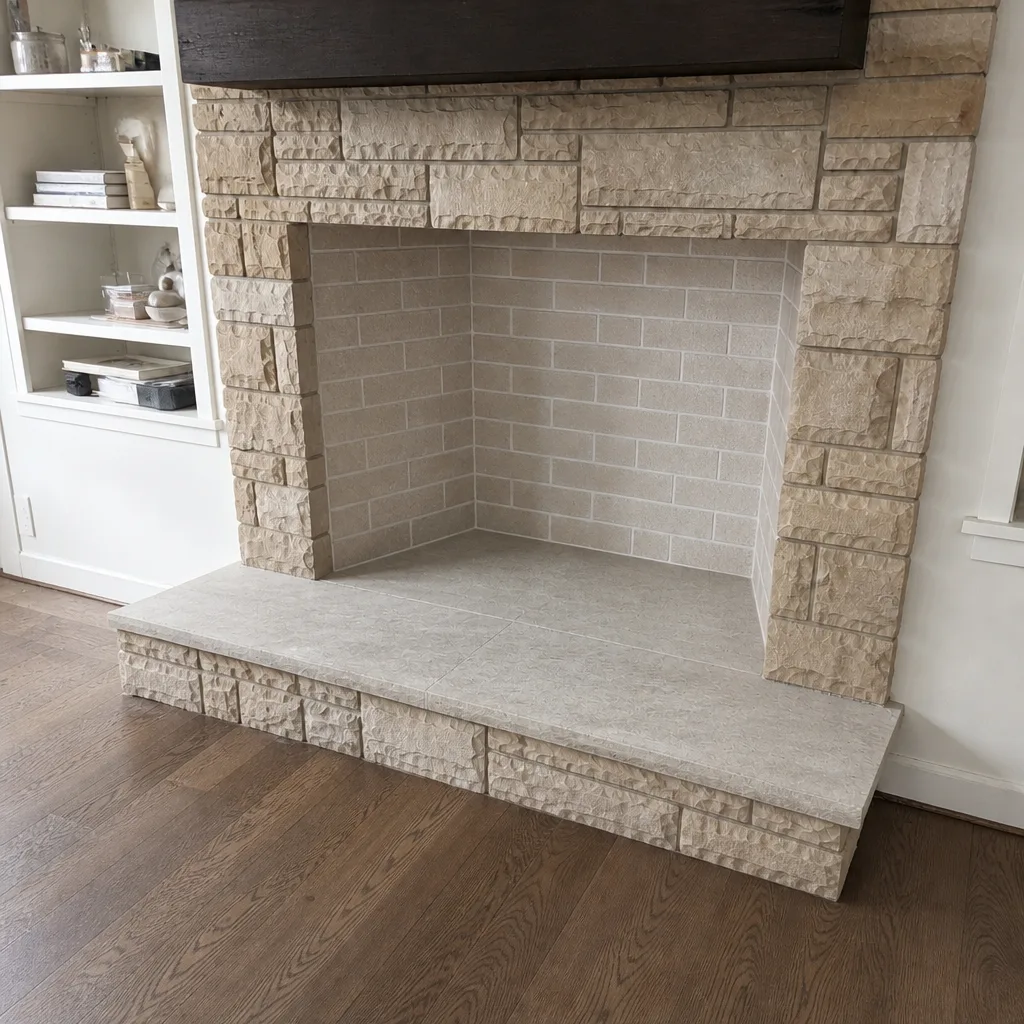
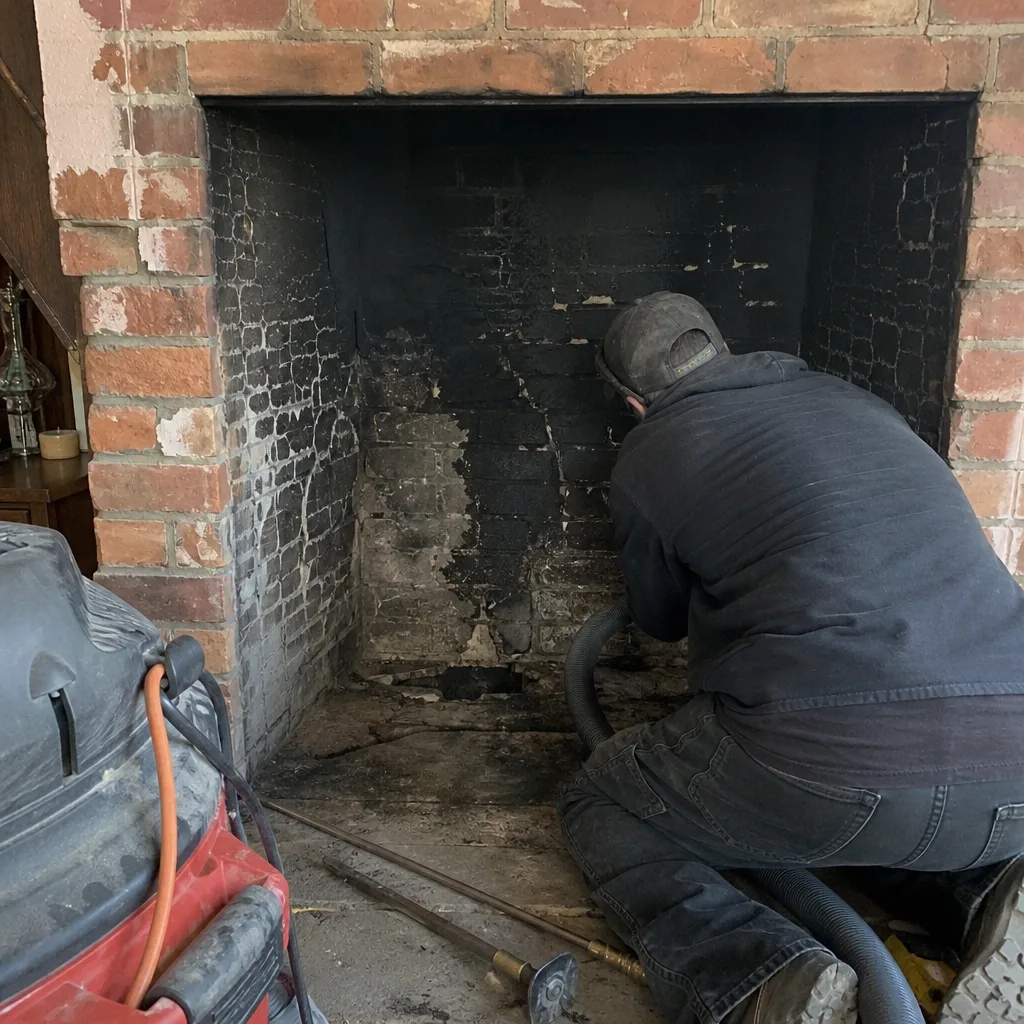
See the difference
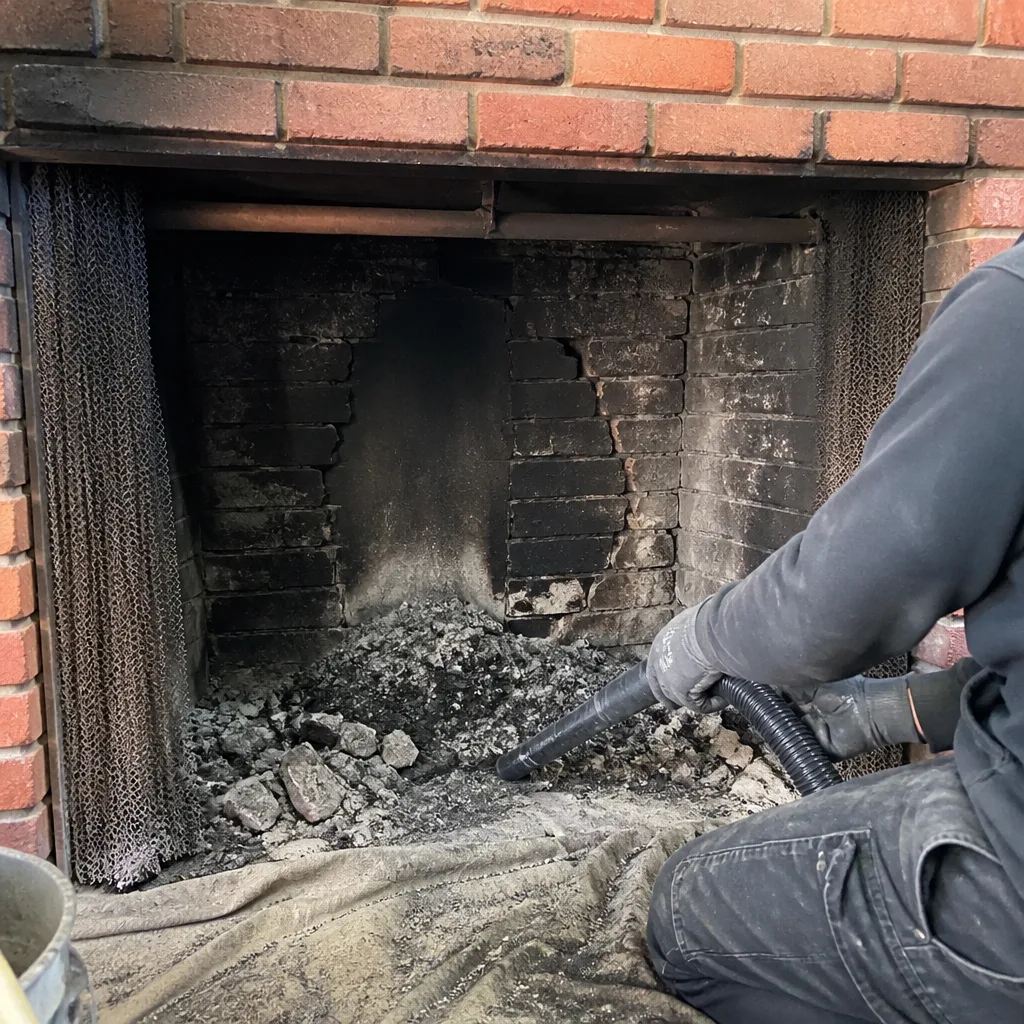 Before
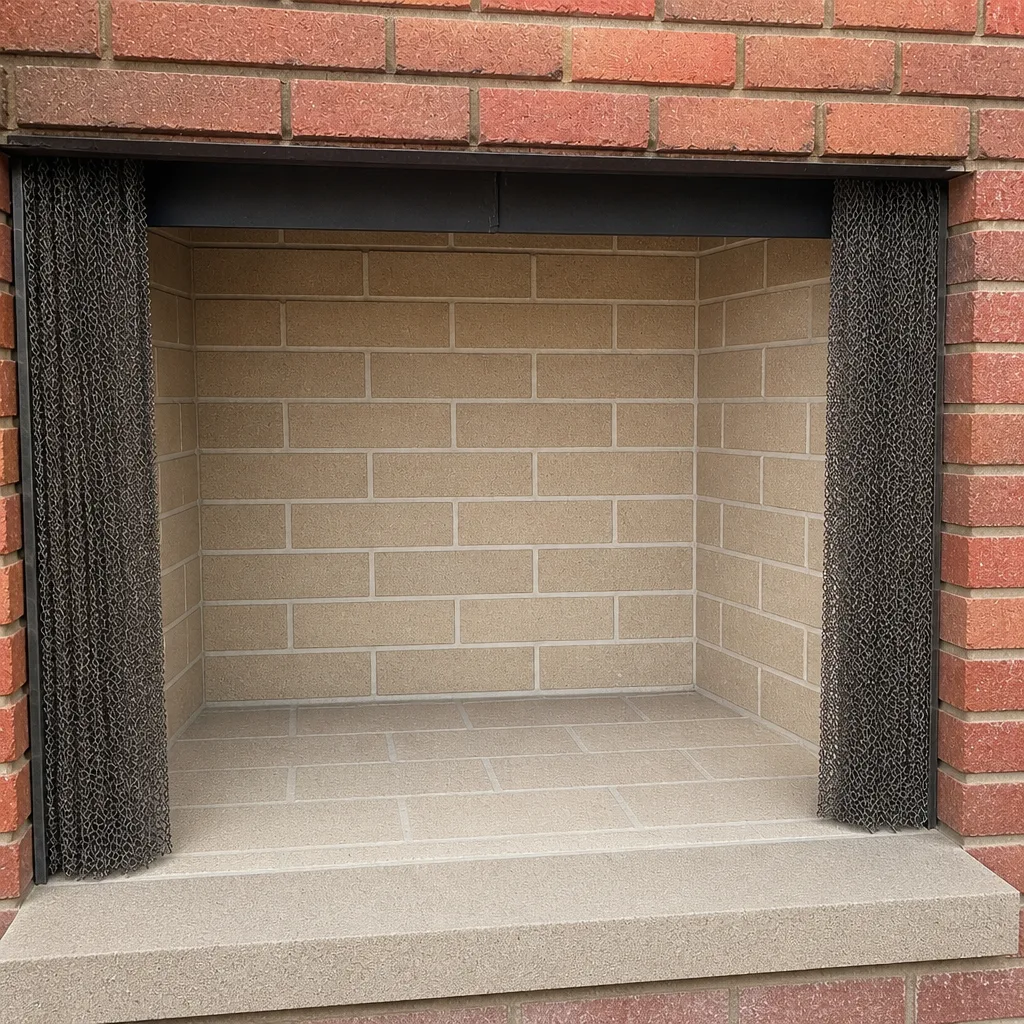 After
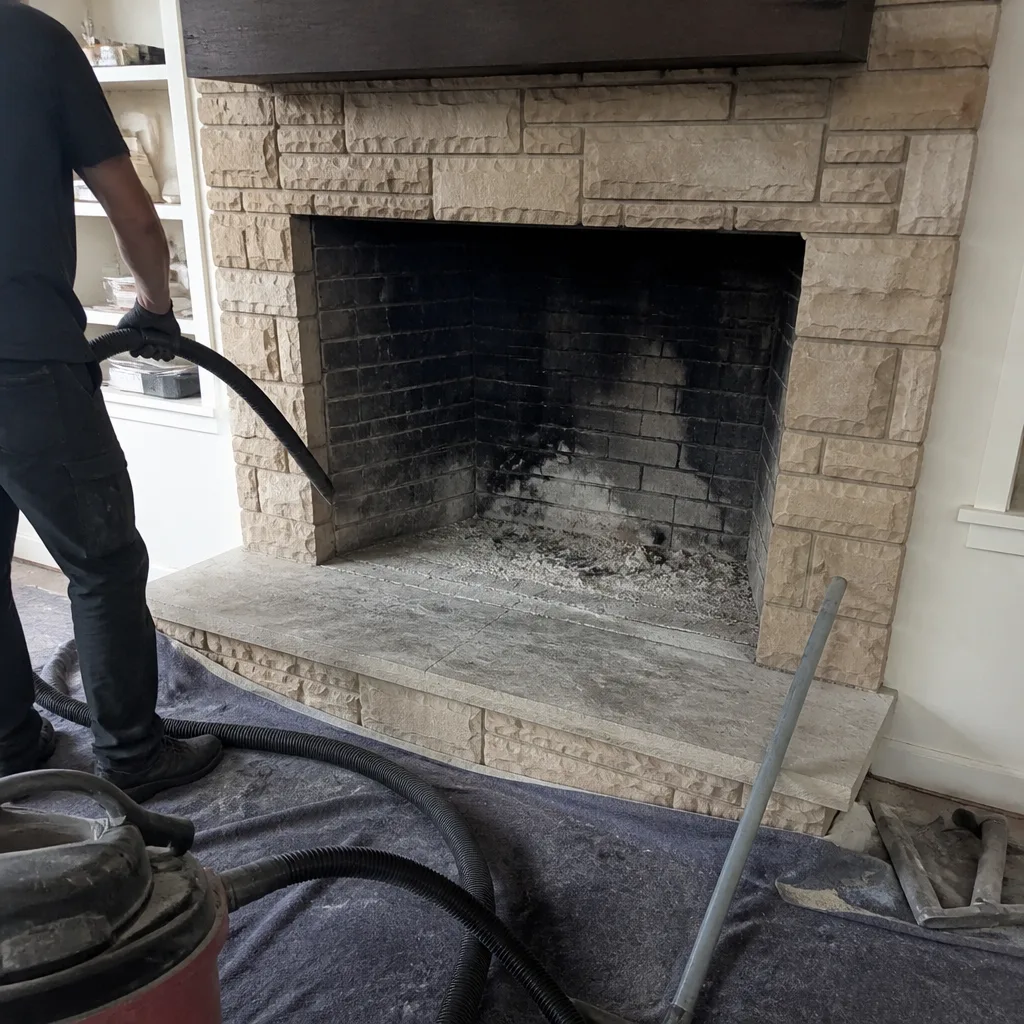 Before
 After
 Before
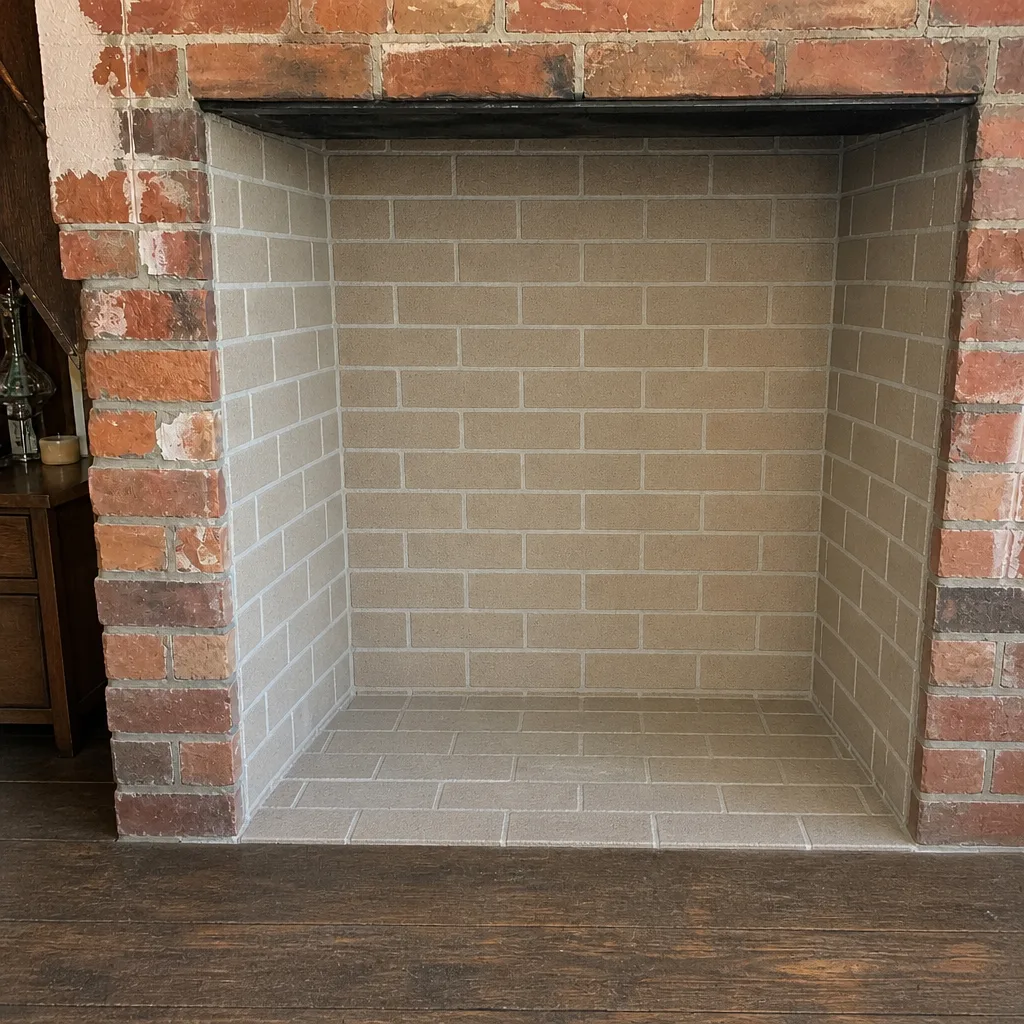 After
When to Call a Professional
Call for a professional chimney inspection when any of these conditions is true: you haven’t had the chimney looked at in the past year; you’ve burned through a quarter-cord of wood or more since the last sweep; you smell smoke inside the house when the fireplace is running; you see staining or water damage on the chimney exterior or ceiling; your appliance or insert has changed since the last inspection; or you’re buying a home and the seller hasn’t provided a recent chimney inspection report. Also call if you hear animals or see evidence of a nest in the flue. Carbon monoxide is a real hazard in Kansas City homes with blocked or damaged flues, and it doesn’t announce itself. If you’re not sure whether it’s time, call and describe your setup, and we’ll tell you honestly whether a visit is due. Kansas City Chimney Cleaning offers free estimates in Kansas City, and we’re glad to talk through your chimney before you book. Call (866) 480-2930.
Frequently Asked Questions
A standard chimney sweep in Kansas City typically costs $180 to $320 for a wood-burning fireplace, with a sweep plus a Level 1 inspection usually falling between $200 and $400. A sweep bundled with a Level 2 camera inspection typically runs $250 to $425. The written estimate sets the final price. Call (866) 480-2930 for an exact quote; estimates are free.
Not every damaged liner needs to be replaced. When the camera scan shows cracked or spalling clay tile that’s still structurally sound, HeatShield resurfacing can often restore the liner at a fraction of what full replacement costs, and that’s a real repair path, not a shortcut. When the liner is beyond resurfacing, a DuraFlex stainless reline is the correct fix. Either way, ask for the camera evidence before you decide. Call us at (866) 480-2930 to walk through the scan with us.
Once a year is the standard for a wood-burning fireplace, and twice a year for a heavily used wood stove. Gas appliances should still be checked annually even though they don’t produce creosote. If you’ve burned a quarter-cord of wood or more since the last sweep, book a visit. Call (866) 480-2930 to schedule; estimates are free.
A $99 sweep usually covers the flue cleaning only, with no inspection, no camera scan and no report. A $299 quote generally includes a sweep plus a Level 1 or Level 2 inspection that tells you the condition of the chimney. The two quotes describe the same physical cleaning but not the same scope of work. Ask for a written breakdown before you book so you’re comparing like for like. Call (866) 480-2930 if you want to know exactly what our sweep includes.
Creosote accumulates inside the flue with every fire, and once it reaches a heavy stage it becomes a fire hazard during the next burning season. Beyond creosote, small problems like a cracked clay tile or a loose cap go unnoticed until they become structural repairs. Skipping one year is usually manageable; skipping several years stacks risk without a way to see it. Call (866) 480-2930 and we’ll look before the next burning season starts.
It often does. A taller chimney means more setup time for a sweep and more stainless material for a liner replacement, so the top of the range applies more often on two-story homes in Kansas City. Steep roof pitch and roof material also add setup. The written estimate reflects your specific roof and chimney, not a generic average. Call (866) 480-2930 with your house details for a free estimate.
The Bottom Line
The number on a chimney cleaning quote means nothing without knowing the scope. A fair Kansas City quote itemizes each line, includes an inspection so you know the condition of what’s being cleaned, and provides camera evidence for any repair recommendation. Regulate your expectations on price by house type and chimney height, not by what a neighbor paid, and compare quotes line by line rather than total to total. The two numbers that actually matter are the cost of finding a problem early and the cost of finding it late, and the gap is usually thousands. If you’re ready for a sweep, a repair estimate, or chimney sweep comparison, we can walk through it. So is Kansas City on the Kansas side, and our service area covers the full metro. If you’re still deciding, a call costs nothing. Call (866) 480-2930 for a free estimate. We answer 24/7. Fast dispatch from 7am to 7pm, Sunday through Friday.
Written by the team at Kansas City Chimney Cleaning.