
Last updated November 15, 2026
 Sweep & inspection
 Caps & crowns
 Flue relining
 Masonry repair
 Gas fireplace service
Level 1 sweep and inspection to the NFPA 211 annual standard - flue, crown, cap, and flashing checked and photographed
Chimney sweep logs do not sweep chimneys. They loosen some creosote - which then falls where a brush and vacuum still have to collect it.
Seasonal Chimney Cleaning Care for Kansas City: Year-Round Homeowner’s Guide
Most Kansas City homeowners think about their chimney once a year, in October, when the first cold snap hits and they want a fire in the fireplace. Here’s the problem with that habit: the damage that shows up in October in Kansas City usually started in March, when freeze-thaw cycles opened hairline cracks in the mortar and spring rain pushed water into the gap. By fall, that water has had six months to work. This guide breaks down what each season actually does to a Kansas City chimney, what to check and when, and how to protect the whole system across all four seasons instead of just one.
Quick Answer
Seasonal chimney care in Kansas City means four checkpoints, not one: a post-heating inspection in early spring, a moisture and storm-damage check in summer, a pre-season sweep before you burn again, and a midwinter look at the crown and cap. The classic “get it swept in fall” schedule only covers that third checkpoint. Skipping the other three is why chimneys in Kansas City arrive at heating season with mortar cracks, water damage, and draft problems that started months earlier.
Styles & brands we work with
- Sweep & inspection
- Caps & crowns
- Flue relining
- Masonry repair
- Gas fireplace service
Table of Contents
- Kansas City’s Four Chimney Stress Seasons
- Why Late Winter Is the Highest-Risk Period
- Season-by-Season Task List
- Pre-Season and Post-Season Tasks by Chimney Type
- What Summer Humidity Does to Your Chimney
- Spotting Storm Damage After Hail Season
- A Realistic Year-Round Service Schedule
- Common Mistakes to Avoid
Kansas City’s Four Chimney Stress Seasons
Kansas City sits in a climate with real seasonal swings: cold winters that cycle above and below freezing, wet springs with hail, humid summers, and dry, windy autumns. Each of those conditions puts a different kind of stress on a chimney, and most homeowner advice treats them all as one. They aren’t.
Here’s what each season is actually doing to the outside and inside of your chimney in Kansas City:
- Winter: Wood-burning fires deposit creosote and heat the flue; the freeze-thaw cycle on the exterior mortar opens cracks. Cold air meeting a warm flue accelerates condensation inside masonry.
- Spring: Rain and hail attack the crown and cap while the mortar is still recovering from freeze-thaw damage. Water gets in through cracks that opened in winter.
- Summer: Heat and humidity drive moisture deeper into the masonry. The chimney system isn’t running, so there’s no rising flue heat to dry it out.
- Fall: Dry, windy days pull moisture back out, but the cracks and gaps remain. The first fire of the season pushes creosote, soot, and old debris into the flue all at once.
In our experience, the chimneys that get through Kansas City winters without trouble are the ones that were maintained in the off-season, not the ones swept hardest in autumn. The exterior is where the damage starts. The flue is where it becomes a fire risk. Both have to be tracked across the whole year.
Why Late Winter Is the Highest-Risk Period
February and March are the most dangerous months for a Kansas City chimney, and almost nobody schedules service then. That’s the counterintuitive part of this guide.
Here’s why late winter is the risk peak. The chimney has just spent months cycling through freeze-thaw, sometimes multiple times a week. Masonry is a porous material, and when water sits inside the mortar and then freezes, it expands and widens the cracks. Each cycle adds to the last. By late February, the crown, the mortar joints, and the top few courses of brick have taken every shot the season has to offer, and then the first warm, wet days of March arrive and push water straight into the damage.
There’s also a flue-side problem. Late winter is when creosote deposits in a wood-burning chimney are at their thickest for the year. A chimney that was swept in October has been heating for four months since. That’s the point in the burn cycle where glazed, hard-to-remove creosote forms, especially in a chimney that’s been run at low heat or with unseasoned wood.
Schedule a late-winter look if you can. In this trade, an inspection at the end of the burn season catches more than one in October, because the chimney has just been through its worst stress with fresh evidence on the outside and freshly built deposits on the inside. It’s the one maintenance window that almost no homeowner asks about, and it’s the one that protects the chimney best.
Season-by-Season Task List
This is the checklist that replaces the standard “sweep in fall” advice. It’s built around what the Kansas City climate does to a chimney in each season.
Spring (post-heating):
- Schedule a full inspection after the last fire of the season, once the chimney has cooled for good. The liner, flue, damper, and firebox will still be showing the evidence of the heating season.
- Sweep the flue to clear out winter’s soot and creosote before it sits through a humid summer. Sitting creosote absorbs moisture and corrodes metal liners.
- Check the crown, the cap, and the flashing from the roof or ground with binoculars. Verify that no winter cracks have opened up that rain can get into.
- Confirm the damper seals fully. In this climate, a leaking damper lets summer humidity into the firebox and up into the flue.
Summer (moisture protection):
- Watch for water stains on the firebox walls, the ceiling near the chimney, and the walls adjacent to it. Brown rings after a summer storm are the signature of a cracked crown.
- Inspect the cap mesh and confirm there are no bird nests, wasp nests, or debris plugs blocking airflow. The stack needs to breathe even when it isn’t in use.
- Check the exterior mortar joints by eye for missing material. A joint that has washed out over a single summer is worth a closer look from a professional.
Fall (pre-season):
- Get the chimney swept and inspected again before you light the first fire of the season.
- Test the draft with a small starter fire the first cool evening, before you commit to a full firewood load.
- Check that the cap and crown are still intact after summer storms. Repair anything before it freezes.
Winter (watch and monitor):
- Keep a glass of water near the stove to gauge interior humidity, and watch the chimney top from the ground for signs of smoking back into the room. Backdrafting in cold weather often points to a blocked or restricted flue.
- Watch for any staining on the chimney breast inside the house after a snowmelt or rain. That’s water where it shouldn’t be.
For a detailed look at what the pre-season sweep involves, see our chimney sweep service page.
Pre-Season and Post-Season Tasks by Chimney Type
The seasonal schedule above is general. Each of the three common chimney types in Kansas City needs its own version of the pre-season and post-season tasks, because they fail in different ways.
Wood-Burning Masonry Chimney
This is the classic brick chimney built into the wall of the house. It has the most seasonal exposure because masonry takes in water.
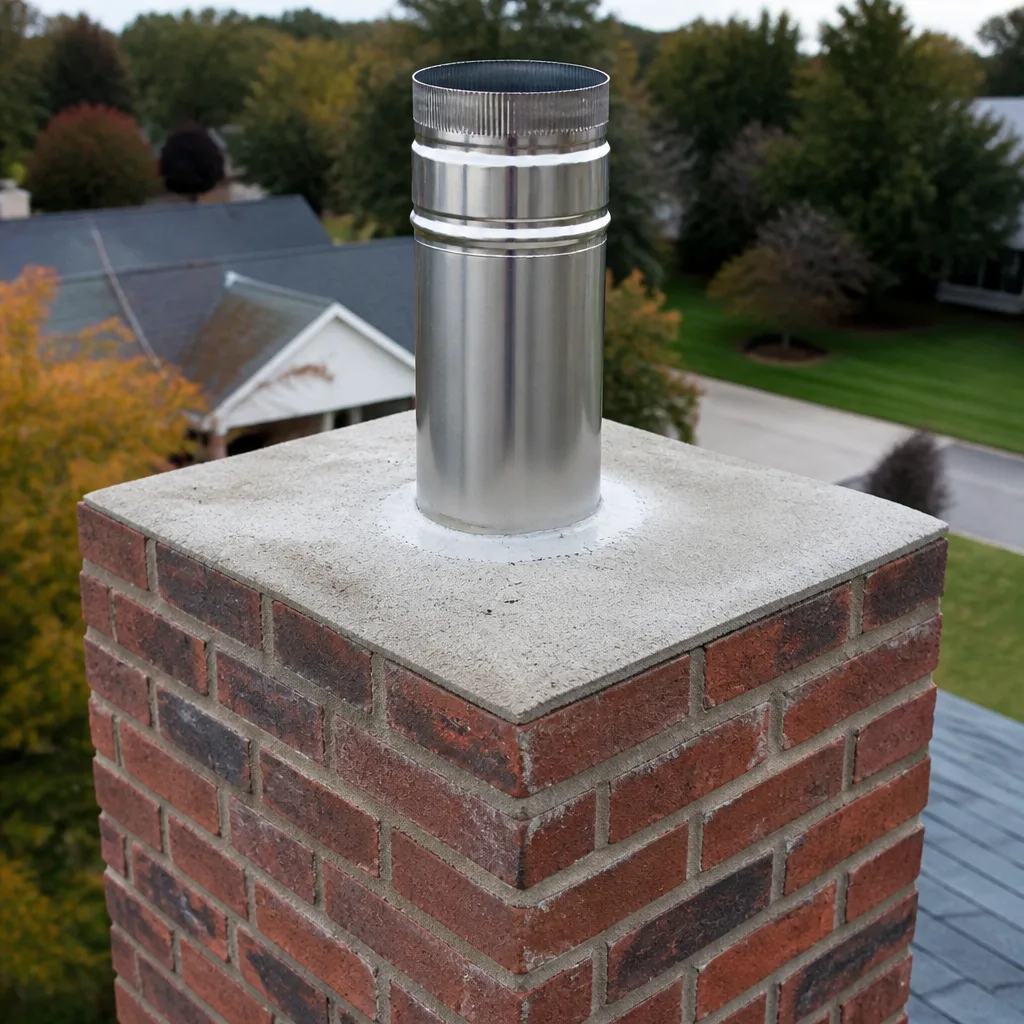
- Pre-season: Sweep the flue, inspect the clay tile liner for cracks, check the firebox for loose brick and failing mortar joints, and confirm the crown is intact. Look at the smoke chamber for creosote build-up above the damper.
- Post-season: Sweep again to clear the winter’s creosote, then check the crown and top courses of brick for freeze-thaw damage. Any mortar that’s soft, missing, or crumbling is the start of a water problem.
Masonry is where a product like HeatShield earns its keep. It’s a resurfacing system that can restore a damaged clay liner rather than automatically calling for a full tear-out and rebuild, which is a repair path most sweep-only companies can’t offer. When the liner is too far gone for resurfacing, a stainless-steel reline with DuraFlex is the structural fix. For the Kansas City area on the Kansas side, more on our Kansas City page.
Wood-Burning Metal Chimney
Prefabricated metal chimneys (often called factory-built or class A) are common in newer homes and additions across the metro. They don’t have masonry to crack, but they have other seasonal issues.
- Pre-season: Check the cap and spark arrestor, confirm the chimney sections and joints are tight, and look for rust or corrosion at the connectors. Confirm the clearance to combustibles hasn’t been compromised by a remodel or new roof work.
- Post-season: Sweep, then inspect the flue sections for warping, rust, or failed seals. Metal chimneys collect creosote just as masonry ones do, and the deposits settle in the elbows and offsets.
Famco and Olympia Chimney components are the kind of purpose-built parts we use for caps, covers, and venting on these systems, rather than generic hardware-store substitutes that may not fit the flue size or meet the manufacturer’s requirements.
Gas Venting and Gas Inserts
Gas appliances don’t produce the creosote a wood fire does, but they have their own seasonal maintenance needs and genuine safety concerns.
- Pre-season: Confirm the vent is clear and the termination cap is unobstructed. Check for corrosion on the vent pipe. Have a carbon monoxide detector on each level of the home tested.
- Post-season: Look for condensation or rust on the vent and check that no birds or debris moved in over the winter. Have the vent inspected if it’s been more than a year.
Gas venting is a real safety item. A blocked or disconnected gas flue can put carbon monoxide into the home, and it’s odorless. If you smell gas or suspect a venting problem, stop using the appliance and call a qualified professional immediately. This isn’t a job to diagnose yourself. When it’s time for a professional inspection, call (866) 480-2930.
What Summer Humidity Does to Your Chimney
Summer is when a Kansas City chimney quietly loses ground. The system isn’t in use, so most homeowners assume nothing is happening. Plenty is happening.
Humidity is the issue. Kansas City summers run humid, and masonry is porous. Moisture in the air moves into the brick and mortar, and into any crack that opened during winter freeze-thaw. Once it’s in, it can only leave when something drives it out. During the heating season, the warmth of the flue does that. In July, there’s nothing to dry the chimney from the inside, so moisture sits in the masonry for weeks at a time.
That has two consequences worth knowing:
- Freeze-thaw damage compounds. Moisture that survives into the first cold snap of fall freezes and expands, and a crack that was just a hairline in June is wider by October. The amount of water that gets into a chimney in summer partly determines how bad the winter damage is.
- Liner adhesion matters. For a chimney that has had resurfacing work done, summer is when a proper cure matters. High humidity slows curing, and a liner that hasn’t fully set is more vulnerable to the first heating season. This is one reason materials matter. The right product for the job, applied and cured correctly, holds up. An improvised repair with a generic product often doesn’t.
Metal chimneys have a summer problem too: sitting condensation. A metal flue that stays cool and damp through the summer will develop rust and corrosion at the joints. A seasonal look in late summer catches it before the first fire makes it worse.
Spotting Storm Damage After Hail Season
Kansas City gets hail. It’s part of living here, and it’s hard on chimneys. A chimney crown and cap take the hits that a roof takes, sometimes harder because a chimney is the highest, most exposed structure on the house.
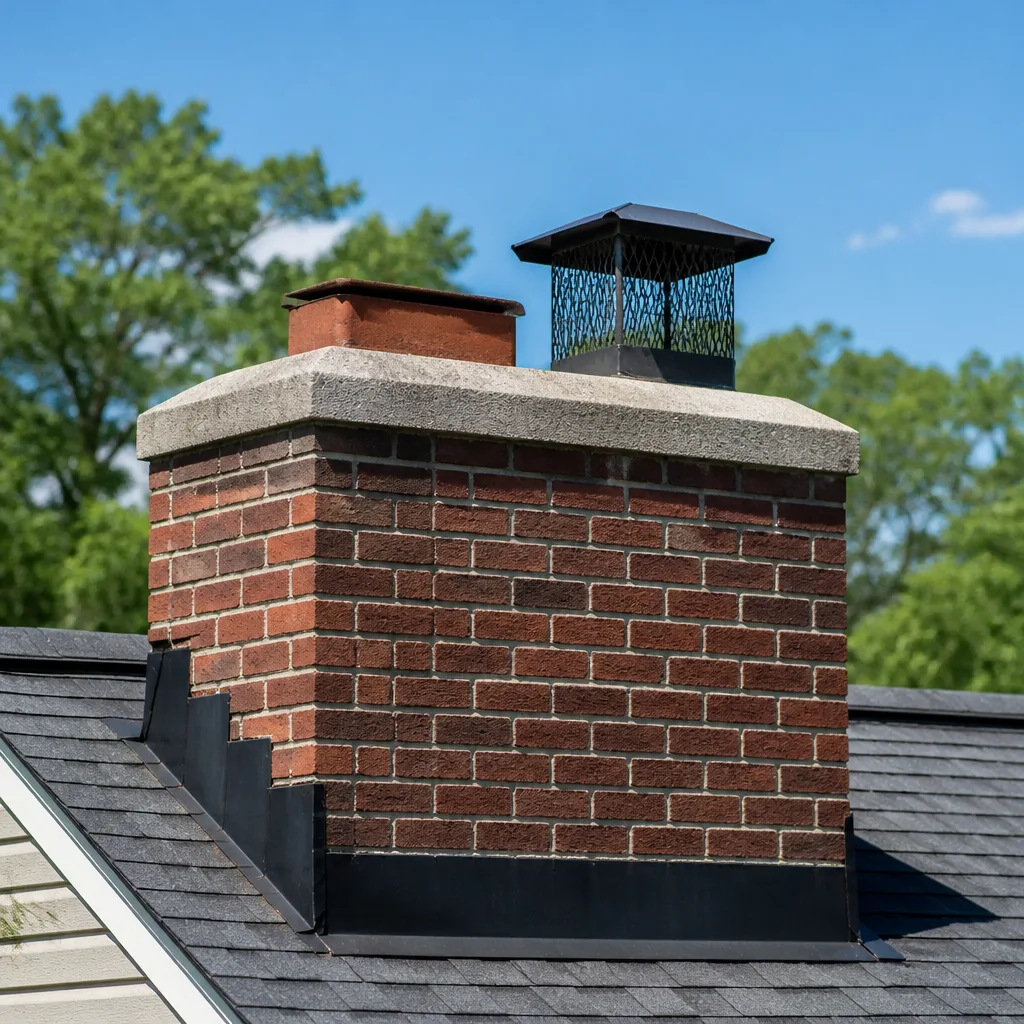
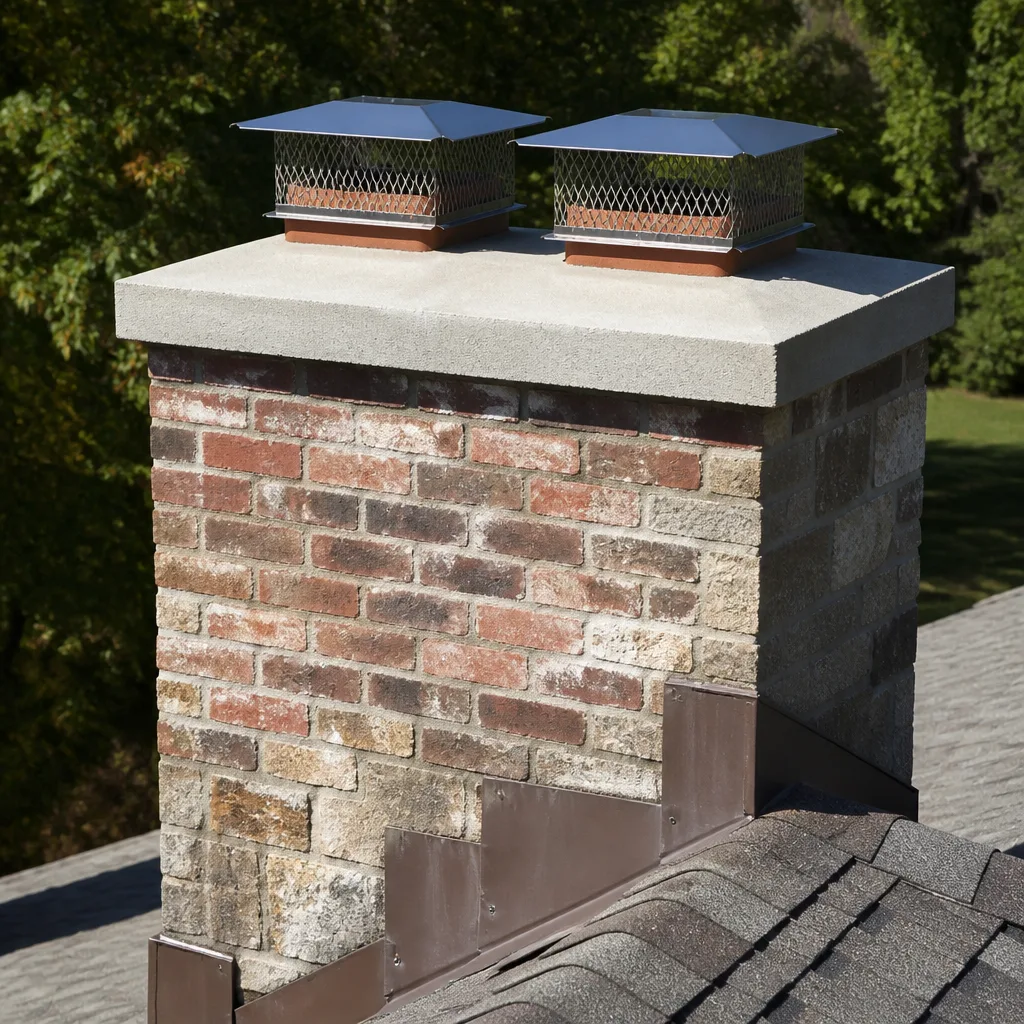
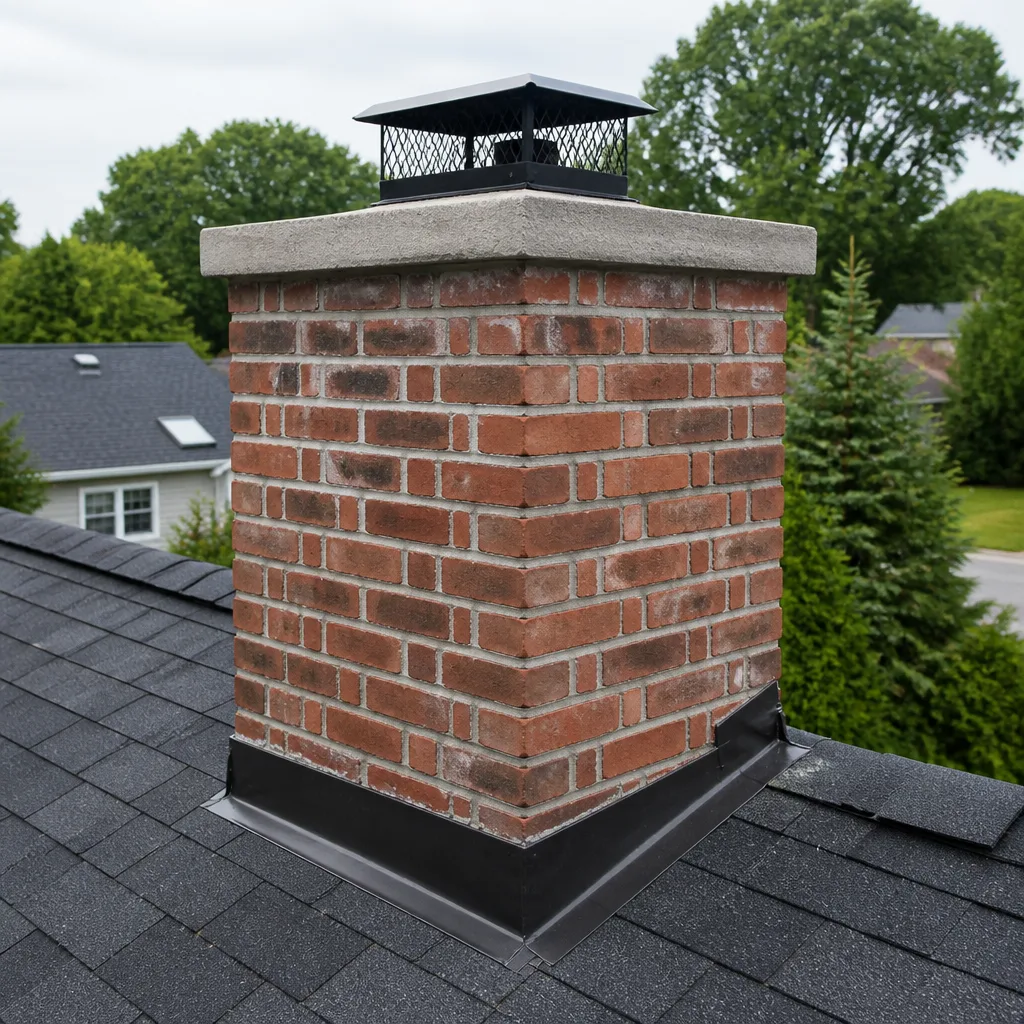
The crown is the angled concrete or masonry cap at the very top of a masonry chimney. It sheds water away from the flue and the brick. When hail cracks it or knocks a chunk loose, water starts running straight down into the chimney structure. The cap, the metal or masonry cover that sits over the flue opening itself, protects the flue from rain, birds, and debris.
After a hail storm, check these from the ground with binoculars:
- Is the crown cracked, chipped, or missing pieces? Even a small crack is a water path.
- Is the cap dented, loose, or gone? A damaged cap means rain, snow, and animals can get straight into the flue.
- Are the flashing and the roof seal around the chimney intact? Loose flashing lets water into the roof deck and the attic.
- Are there visible new cracks in the mortar joints or spalling brick on the upper courses?
- Inside the house, is there any new staining on the ceiling near the chimney or on the firebox walls?
If you see any of those, get it looked at and repaired before fall’s first freeze. Small crown repairs and a new cap are cheap and quick compared to rebuilding the top of a chimney after a winter of water damage. We use Gelco and Famco components for caps and covers because they’re sized and rated for the job, not adapted from something else.
A Realistic Year-Round Service Schedule
You don’t need a service visit every month. You need the right four appointments across the year, and most of them are short. Here’s the schedule we recommend to homeowners in Kansas City.
- Late February to mid-March: Late-winter inspection. This is the highest-value appointment of the year and the one almost nobody books. Catch mortar damage and thick creosote before spring rains arrive.
- April to May: Post-season sweep. Clear the winter’s deposits so they don’t sit through a humid summer.
- Late August to September: Pre-season inspection and sweep. Confirm the chimney is clear, the cap is intact, and the liner is sound before the first fire.
- After any significant hail or wind storm: Roof-level check of the crown, cap, and flashing, or a call to a professional if you can’t see them safely.
Over-servicing is a real thing too. A wood-burning chimney that only sees a few fires a month through the season doesn’t need an annual sweep if it’s already been cleaned, but it does need the seasonal checks. A heavily used fireplace needs the sweep every year. A gas appliance needs an annual vent inspection, not a creosote sweep. The schedule follows use, and the exterior checks follow the seasons. Don’t add appointments you don’t need; don’t skip the ones you do.
The other half of the fire-safety picture is the dryer vent cleaning service. Lint in a clogged dryer vent is the other leading cause of home fires alongside chimney creosote, and doing both from one provider is easier than coordinating two contractors. For the broader picture of how all these services fit together, see Kansas City Chimney Cleaning.
Common Mistakes to Avoid
- Only servicing the chimney in fall. The fall sweep is necessary, but it’s reacting to damage that already happened through winter, spring, and summer. The late-winter and post-season checks are what make the fall sweep easier.
- Assuming “I don’t use it much” means “it doesn’t need service.” A chimney that sits mostly unused is still exposed to rain, humidity, freeze-thaw, and animals. In a Kansas City climate, off-season damage is the main threat to a lightly used chimney.
- Putting off repairs until the fall rush. Crown cracks, damaged caps, and failed mortar are cheaper and easier to fix when a repair professional isn’t swamped. Late summer is the busiest time for chimney work; spring and early summer are better for scheduling structural repairs.
- Skipping the crown and cap because they’re hard to see. The crown and cap are the most weather-exposed parts of the chimney. They take the hail, the rain, and the freeze-thaw. They need checking after every storm season, even when there’s no sign of trouble inside.
- Hiring a sweep-only company for a structural problem. A sweep can clean a flue. That sweep can’t restore a cracked liner, reline a failed chimney with stainless steel, or rebuild a crown. If the inspection turns up structural damage, the fix needs a repair specialist.
- Letting a homeowner-installed cap and generic parts stand in for a proper fit. A cap that doesn’t match the flue is as bad as no cap in some cases. It can restrict draft or let water pool. Purpose-built parts from a supplier like Olympia Chimney are designed for the system they’re on.
- Forgetting the carbon monoxide detector in a home with a gas vented appliance. A blocked gas flue can put carbon monoxide into the home without any sign until it’s dangerous. Test the detectors on every level at the start of the heating season, not just once when the appliance is installed.
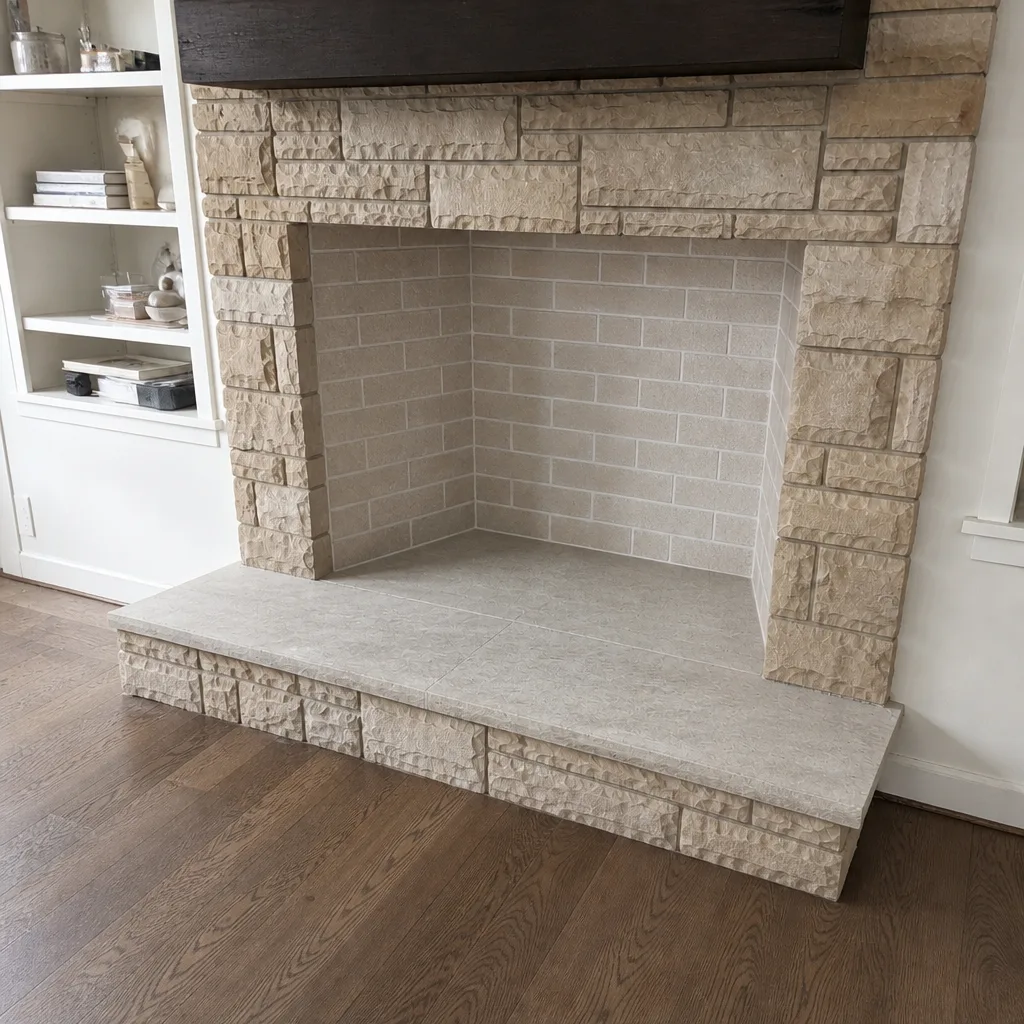
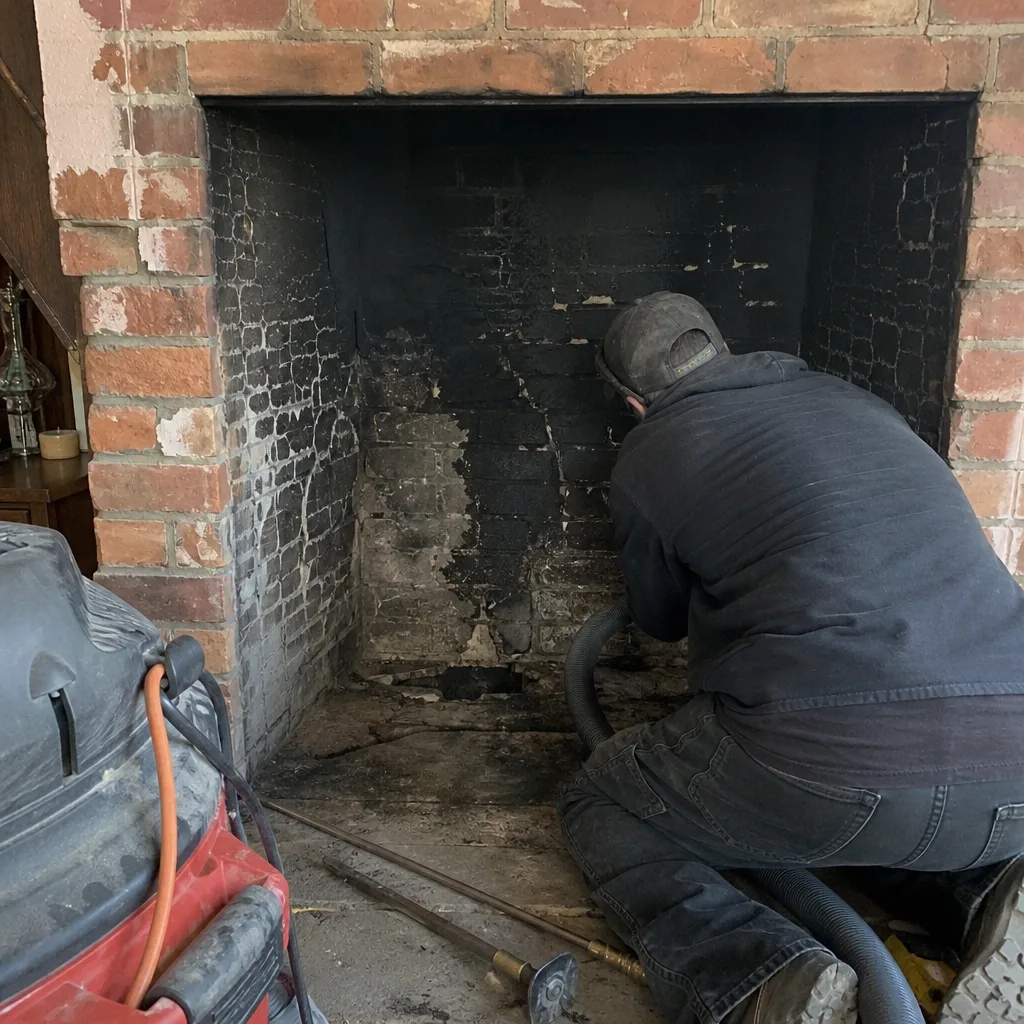
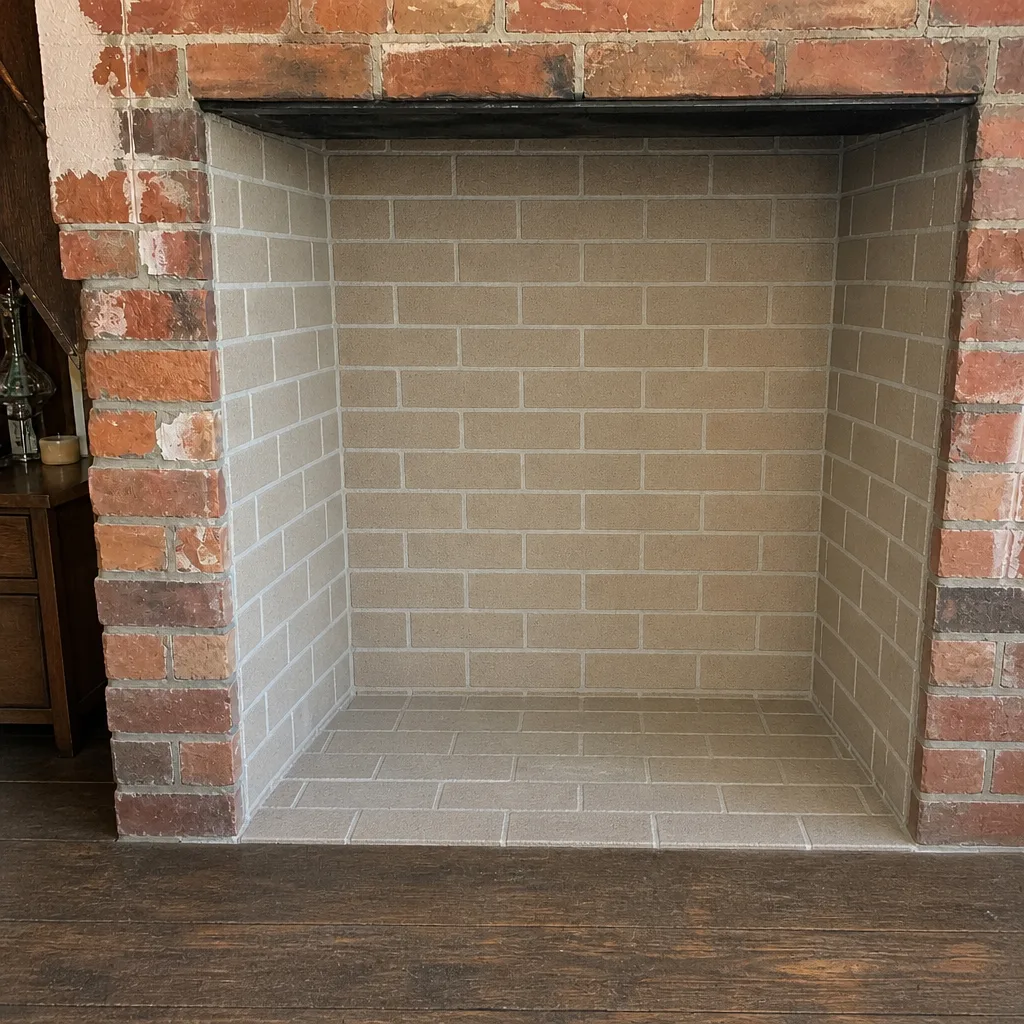
See the difference
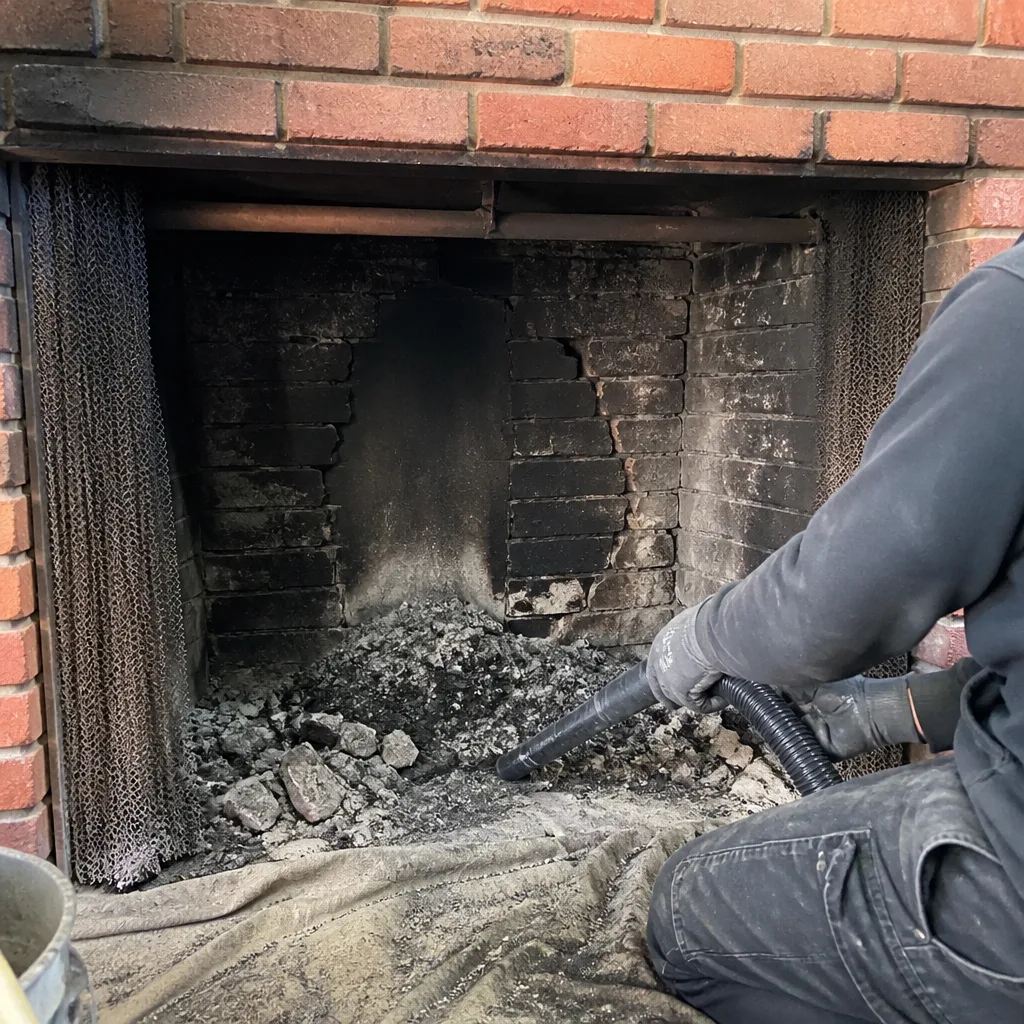 Before
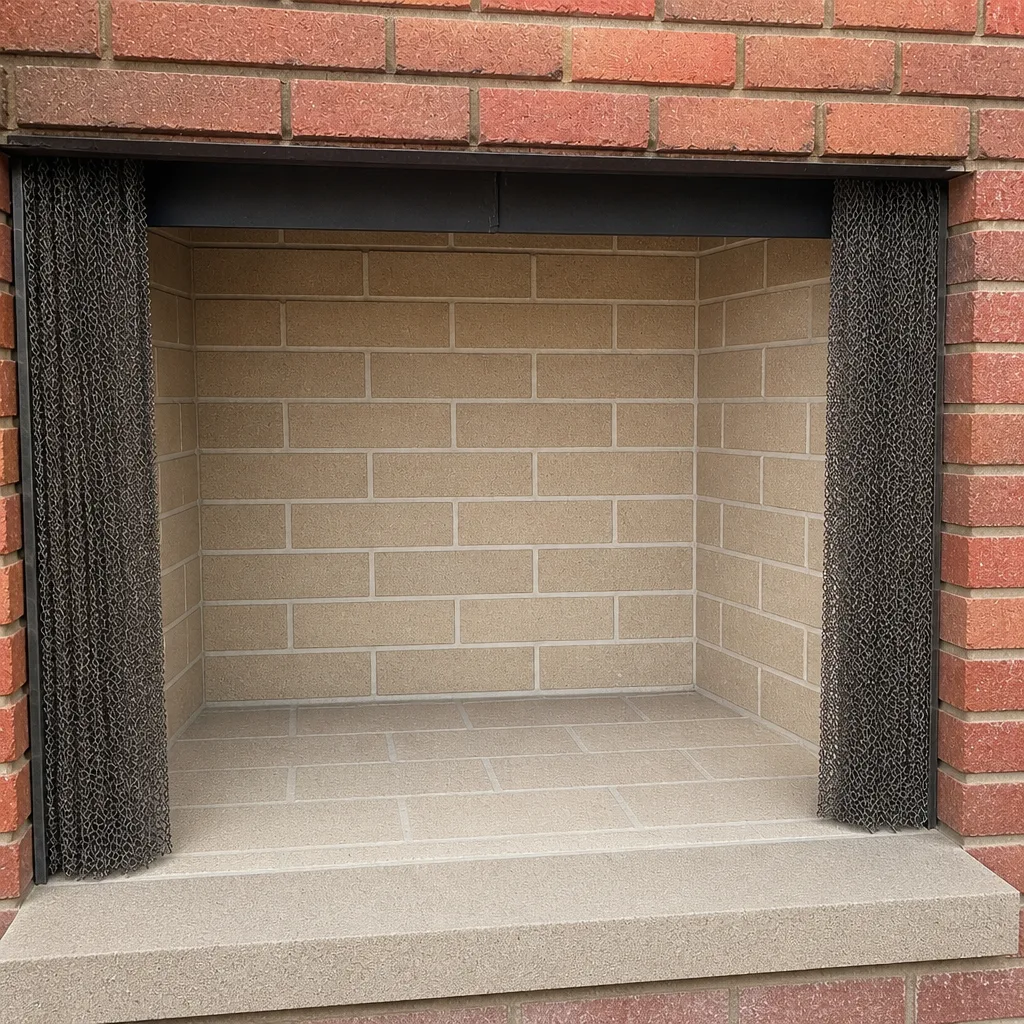 After
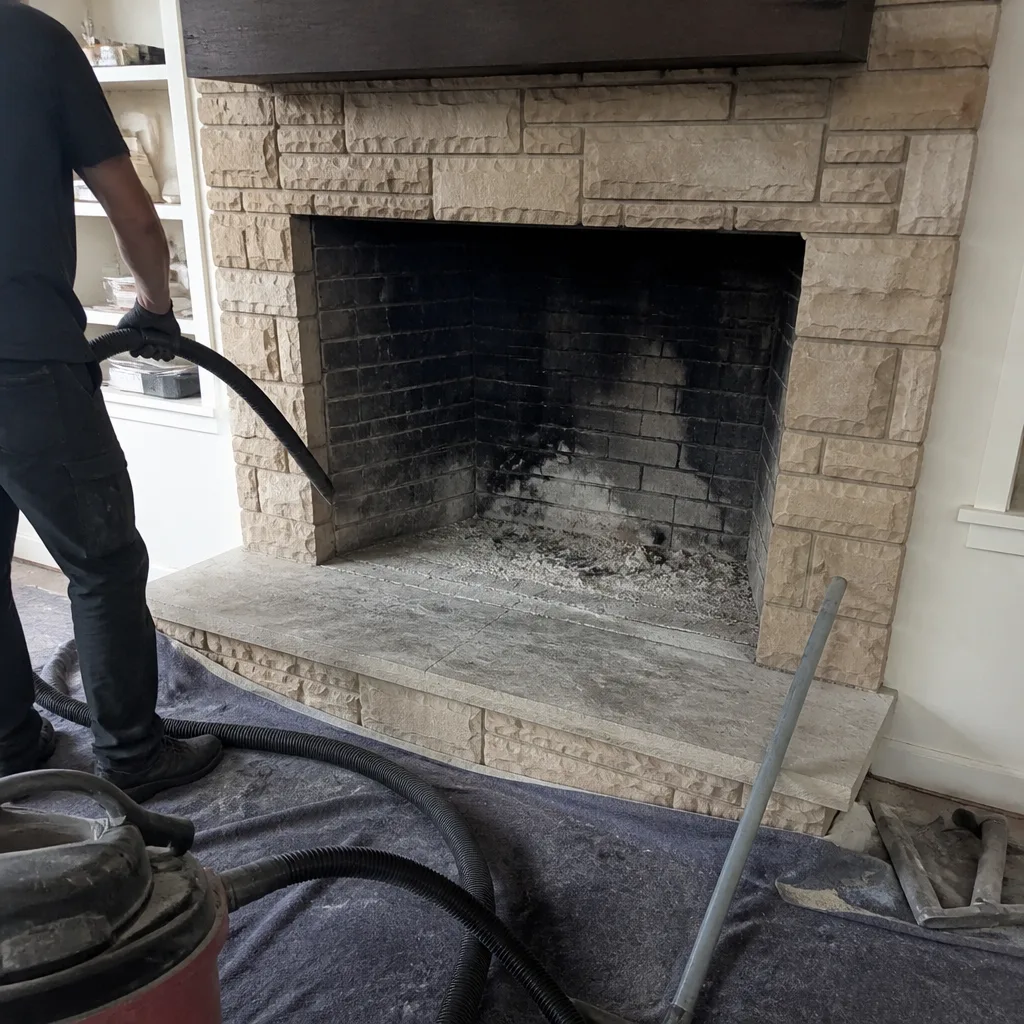 Before
 After
 Before
 After
When to Call a Professional
Some seasonal tasks are things you can handle yourself: a visual check of the crown and cap from the ground, confirming the damper closes, and knowing when your last sweep was. The rest is work for a trained professional. Call in a specialist when you see water stains inside the house near the chimney, when the crown has visible cracks or missing pieces, when the cap is dented or gone, when you smell gas or suspect a blocked vent, when the fire smokes back into the room, or when it’s simply been more than a year since the chimney was inspected. Masonry repair, liner work, and cap installation all involve working at height on a structure you can’t easily inspect yourself, and structural repairs need the right materials and the right installations. Kansas City Chimney Cleaning offers free estimates in Kansas City – call (866) 480-2930. We resurface, reline, and repair, not just sweep, and we use pro-grade materials on every job.
Frequently Asked Questions
Once a year for a wood-burning chimney that sees regular use, plus the seasonal exterior checks described in this guide. A chimney that fires only a few times a month can stretch to a sweep every couple of years if an inspection shows the flue is still clear, but the crown, cap, and liner should still be checked every year. Call (866) 480-2930 for an exact quote – estimates are free.
Yes, at minimum an inspection, because the liner is what protects the house from heat and creosote. Cracks in a clay tile liner are common in Kansas City chimneys after a few years of freeze-thaw, and they’re easy to miss without a camera. If the liner is damaged, HeatShield resurfacing or a DuraFlex stainless reline can fix it before it becomes a structural problem. Call (866) 480-2930 for an inspection and a free estimate.
Spring and early summer, for both repair work and the post-season sweep. Once fall arrives, the schedule fills up because everyone wants a sweep before the first fire. Book crown repairs, cap replacement, and any liner work in the off-season, and schedule the pre-season sweep in late summer to leave room for a repair if the inspection turns something up. Call (866) 480-2930 for an exact quote – estimates are free.
No. A cracked crown lets water into the masonry, and in a Kansas City winter, that water freezes and expands, which widens the crack and damages the brick below. A small crown repair is a modest job compared to rebuilding the top of a chimney after a winter of water damage. Get it sealed before the first freeze. Call (866) 480-2930 for an exact quote – estimates are free.
Damage accumulates on the outside and the inside. On the exterior, small mortar cracks open into bigger ones from freeze-thaw, and a cracked crown turns into water-damaged masonry. Inside, creosote builds up and becomes a fire risk, especially glazed creosote that’s hard to remove. The fix after two skipped years is often a liner repair or reline that a yearly check would have avoided. Call (866) 480-2930 for an exact quote – estimates are free.
Yes. We handle chimney sweep, chimney repair, and dryer vent cleaning, which covers the two leading causes of residential house fires from one provider. That’s useful because the seasonal checks for both can happen in the same visit. Two components, one schedule, less to coordinate. Call (866) 480-2930 for an exact quote – estimates are free.
Typical sweeps vary with the flue size, the access, and how much creosote has built up, so we price each job by written estimate rather than a flat rate. The exact price is set by the written estimate before any work begins. Call (866) 480-2930 for an exact quote – estimates are free.
The Bottom Line
A Kansas City chimney faces four seasonal stress conditions each year, and the standard “sweep in fall” advice only addresses one of them. Get ahead of it: book a late-winter inspection before March rains arrive, sweep in spring after the heating season, check the crown and cap after every hail storm, and do the pre-season sweep before the first fire. The right materials matter too. HeatShield, DuraFlex, Gelco, Olympia Chimney, and Famco are the kind of pro-grade parts that hold up in this climate, and they’re what we use on the jobs we do. Our technicians have up to 12 years of experience, and we resurface, reline, and repair, not just sweep.
Call Kansas City Chimney Cleaning at (866) 480-2930 for a free estimate. We answer 24/7. Fast dispatch from 7am to 7pm, Sunday through Friday.
Written by the team at Kansas City Chimney Cleaning.