
Last updated November 15, 2026
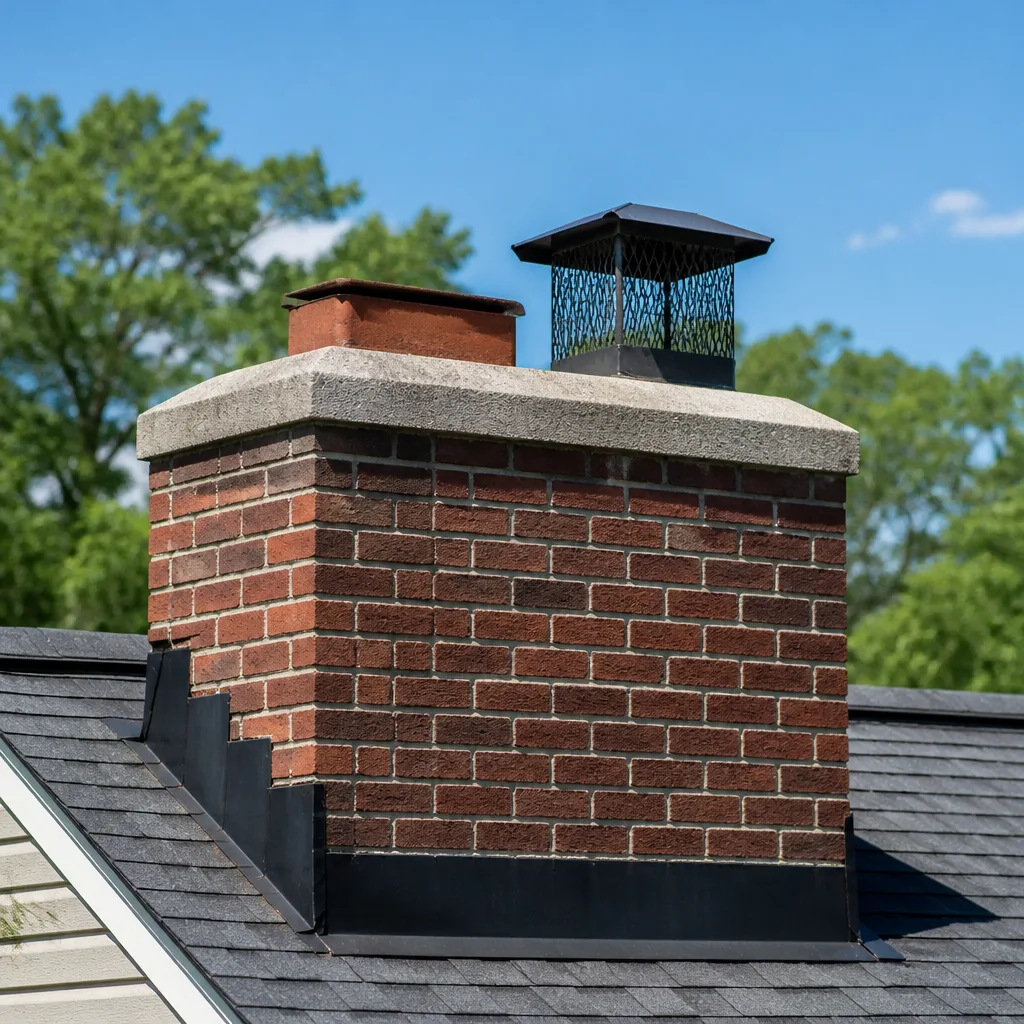 Sweep & inspection
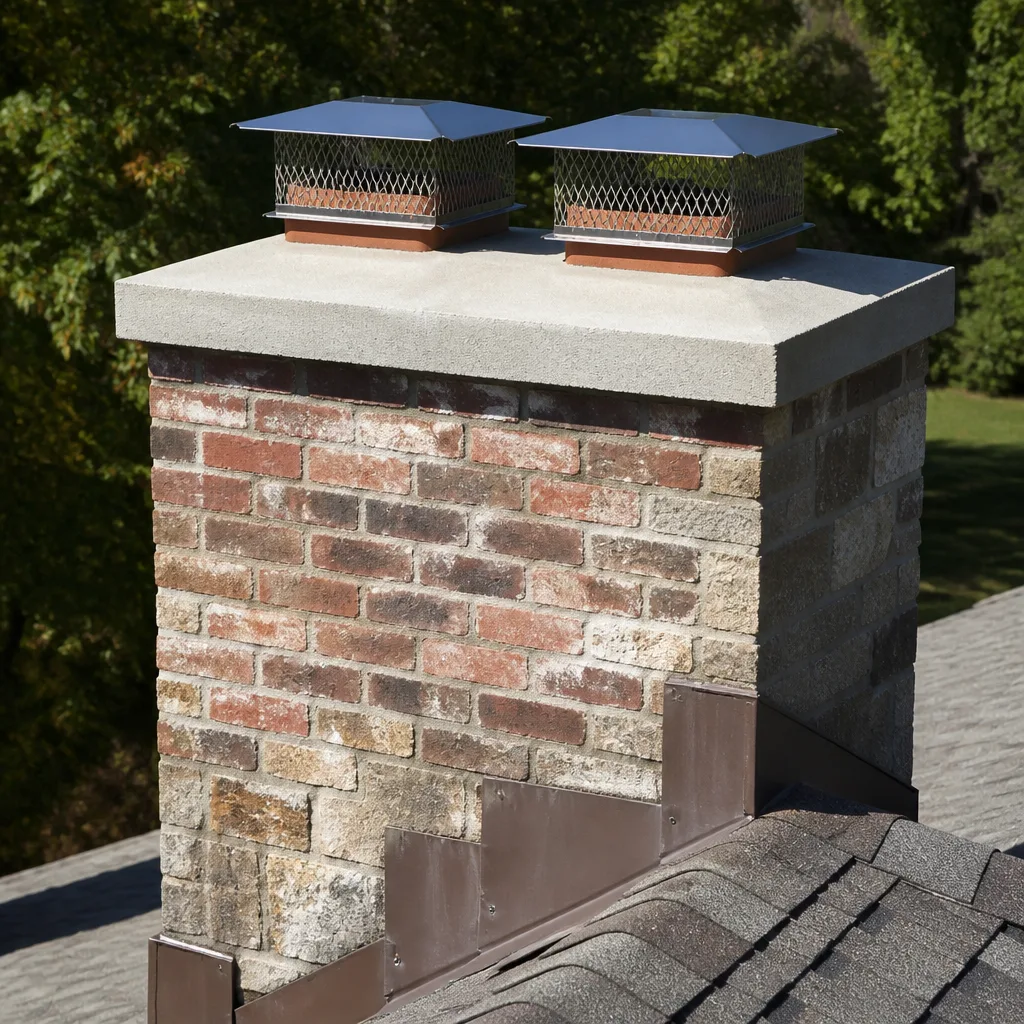 Caps & crowns
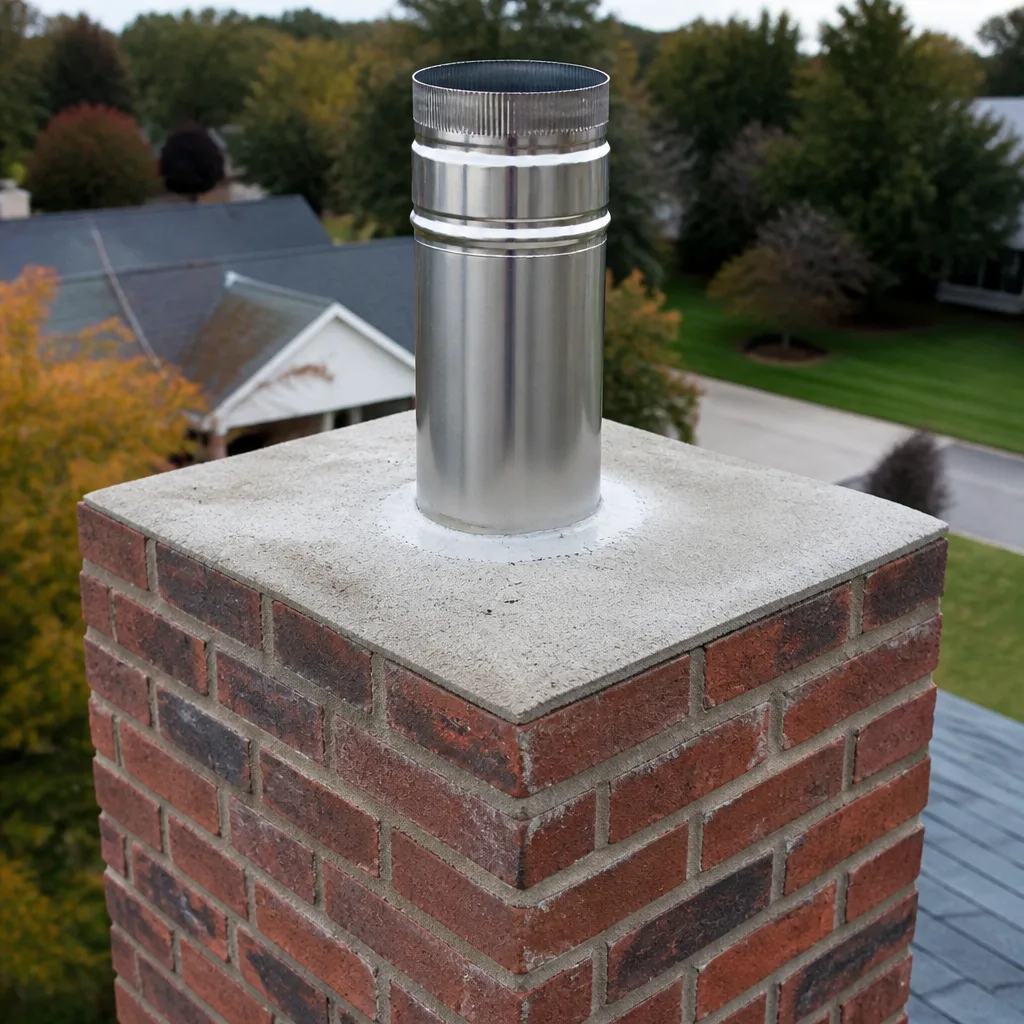 Flue relining
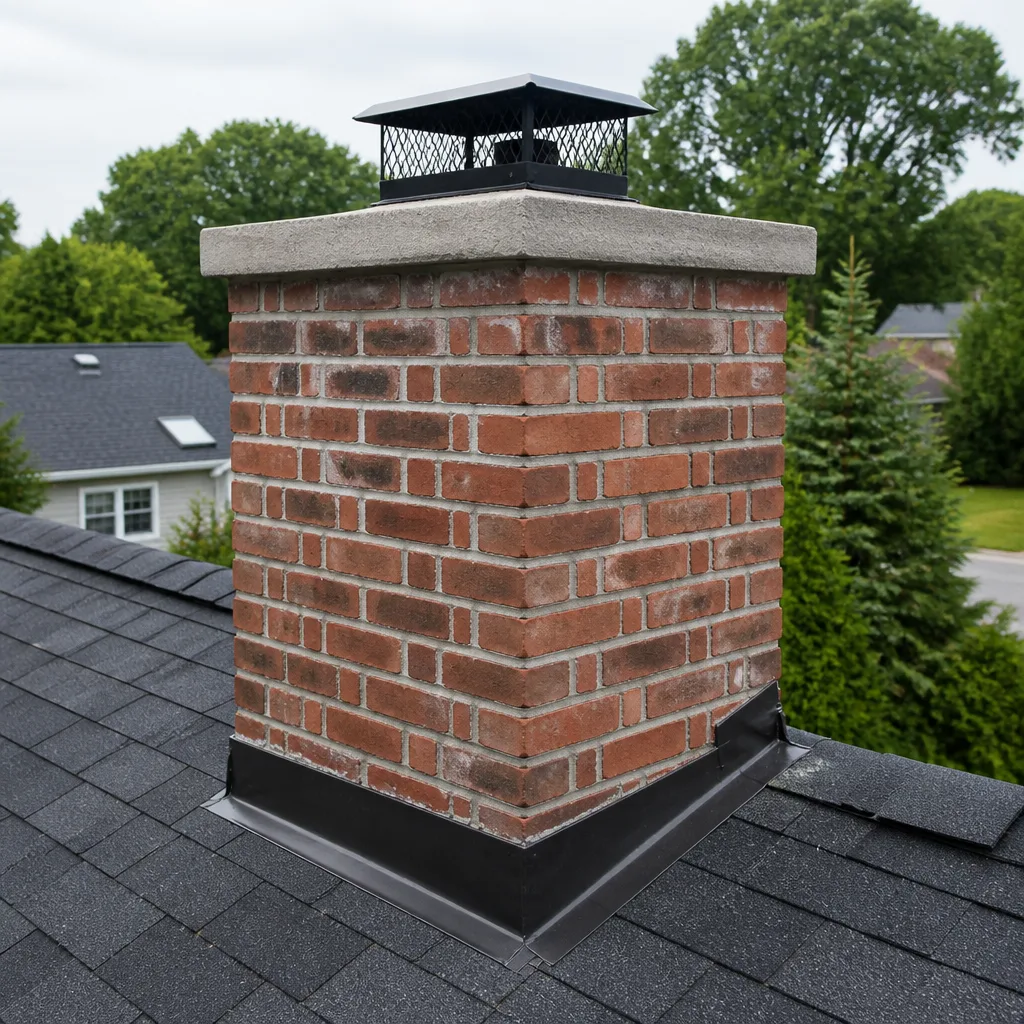 Masonry repair
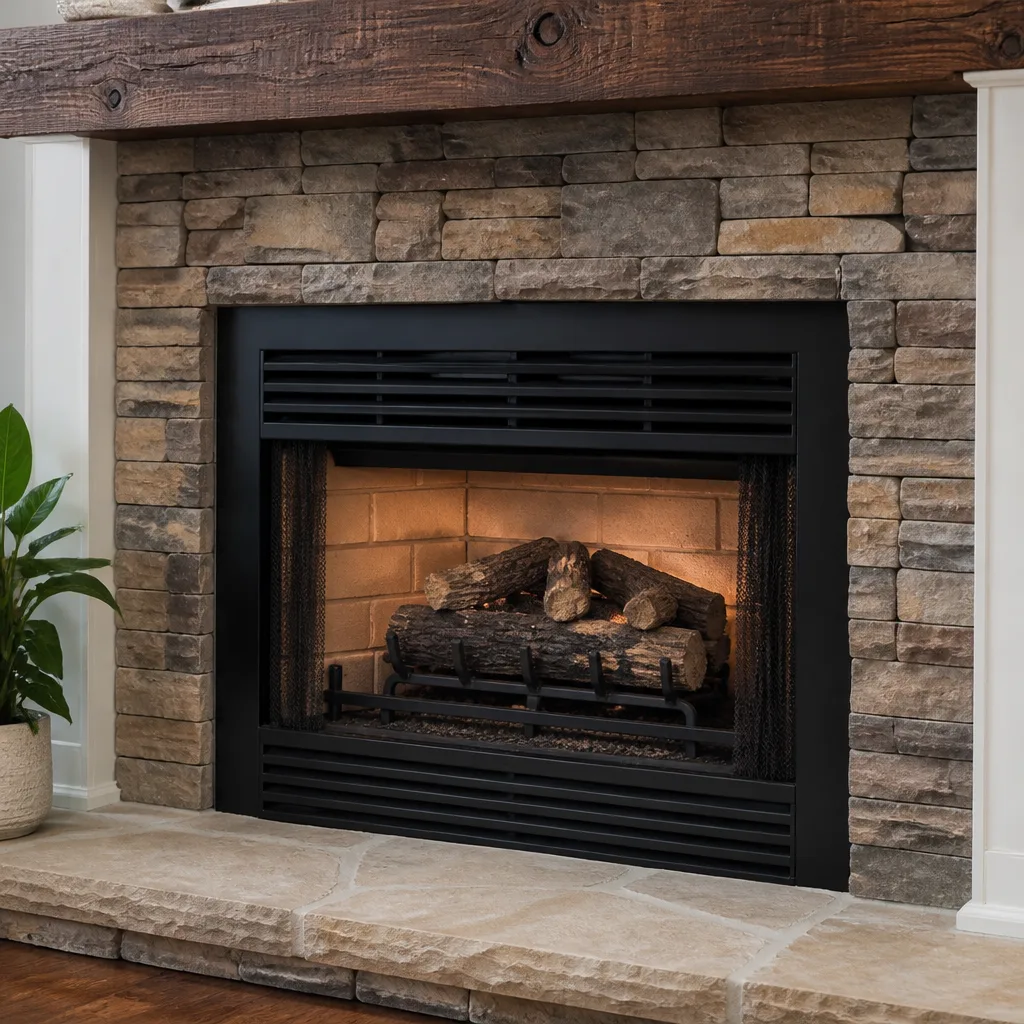 Gas fireplace service
Level 1 sweep and inspection to the NFPA 211 annual standard - flue, crown, cap, and flashing checked and photographed
Chimney sweep logs do not sweep chimneys. They loosen some creosote - which then falls where a brush and vacuum still have to collect it.
Chimney Cleaning Emergency Preparedness Guide for Kansas City Homes
A chimney fire doesn’t always sound like what you expect. Many burn slowly inside the flue with no visible flame, just a low rumble, intense heat at the firebox, and a dense smell that lingers in the room. By the time it becomes obvious, the liner may already be compromised. The same is true of carbon monoxide trouble and of storm damage: the warning signs are quiet and easy to explain away. In Kansas City, where ice storms, straight-line winds, and hail move through with little notice, the chimney problems that turn into emergencies are almost never surprises. They’re the ones nobody looked at. This guide walks through how to tell a chimney fire from a venting failure, how to respond to each, and how to prepare your home before the house has to teach you the difference.
Quick Answer
If you suspect a chimney fire, get everyone out of the house, call 911, and don’t use the fireplace again until a professional inspects the flue. Chimney emergencies fall into two distinct groups in Kansas City: those caused by deferred maintenance (chimney fires, carbon monoxide venting failure) and those caused by weather (storm damage, sudden draft loss). Each requires a different response, and knowing which one you’re facing is the difference between a same-day sweep and a structural liner repair.
Styles & brands we work with
- Sweep & inspection
- Caps & crowns
- Flue relining
- Masonry repair
- Gas fireplace service
Table of Contents
- What to Do If You Suspect a Chimney Fire Right Now
- Three Emergencies That Look Alike: CO, Draft Reversal, and Incomplete Combustion
- Kansas City Weather Events That Damage Chimneys
- What “Do Not Use Until Inspected” Actually Means
- Level 2 Inspection: When It’s Required and What It Covers
- How to Document Chimney Damage for an Insurance Claim
- The Second Fire Risk in Your Home: The Dryer Vent
- How to Prepare Your Chimney Before the Heating Season
What to Do If You Suspect a Chimney Fire Right Now
The most common mistake homeowners make during a chimney fire is waiting. They smell something, hear a rumble, or notice heat radiating from the chimney breast, and they decide to see if it passes. It doesn’t pass. Creosote burns hot and fast once it ignites, and the longer you wait, the more heat the flue has to absorb. A stainless-steel liner is designed to contain combustion products; it is not designed to act as a furnace. In Kansas City, where older homes often have clay-tile flues that have already been through decades of heating cycles, the margin for error is smaller than most people realize.
Here’s the sequence to follow the moment you suspect a chimney fire is in progress:
- Get everyone out of the house and call 911. Don’t stop to gather belongings. Don’t try to look down the flue. The fire department will handle the fire itself, and their report will become part of your insurance documentation.
- Close the glass doors and the damper if you can reach them safely. Cutting off oxygen starves the fire, but only if you’re already clear of the firebox and can do it without standing in smoke or heat. If you can’t reach it safely, leave it.
- Don’t spray water into the firebox. Water on a superheated flue can crack clay tile or warp a metal liner. A cracked tile is exactly what you’re trying to avoid.
- Don’t go on the roof or climb onto the chimney. Chimney caps and crowns are not designed to be walked on, and a damaged crown is easy to miss from the ground but easy to break from above.
- After the fire is out, don’t relight until a professional has inspected the flue. A chimney fire can compromise the liner without any visible sign from inside the house. That’s why a Level 2 camera inspection is the standard after any suspected fire.
A slow-burning chimney fire may leave the firebox intact and the exterior of the chimney looking normal. Only a camera inspection tells you whether the liner survived. That’s the part most homeowners skip, and it’s the part that matters.
Three Emergencies That Look Alike: CO, Draft Reversal, and Incomplete Combustion
Here’s where people get into real trouble. Carbon monoxide venting failure, draft reversal, and incomplete combustion all produce overlapping symptoms, and treating them as the same problem delays the right fix. In our experience, this is where a phone conversation with a trained eye saves time and money.
- Carbon monoxide venting failure means exhaust is leaving the flue and entering the living space through a crack, a failed gasket, or a blocked flue. Symptoms you’d notice include a CO detector alarm, headaches or dizziness that clear when you leave the house, and soot streaking or corrosion on the vent connector. This is an evacuate-and-call situation.
- Draft reversal means the chimney is pulling air down into the house instead of pushing smoke up and out. You’ll notice smoke backing into the room, especially on cold mornings or windy days, and a strong campfire smell that doesn’t clear. This is a venting problem, not usually a structural one, and it’s often related to pressure imbalances, negative pressure from bathroom fans, or a flue that’s too cold to establish draft.
- Incomplete combustion means the fire isn’t getting enough air or the wood is too wet to burn cleanly. Symptoms include a lazy fire, heavy smoke from the chimney, and creosote building on the flue walls faster than it should. This one is the slowest to become an emergency but the most likely to cause a chimney fire later.
A CO detector is not a substitute for an inspection. It tells you the problem is happening now; it doesn’t tell you why. If any of those three symptoms show up in your Kansas City home, stop using the fireplace and get the flue looked at. Call (866) 480-2930 for an exact quote on an inspection. Estimates are free.
Kansas City Weather Events That Damage Chimneys
Kansas City sits in a climate that gives chimneys a hard time. Ice storms load up caps and crowns with weight. Straight-line winds can lift a loose cap or drive water sideways into the flue. Hail pounds crowns and masonry. And then the freeze-thaw cycle finishes the job: water gets into a hairline crack during the thaw, freezes overnight, expands, and opens the crack a little wider. Do that enough times and a chimney that looked fine in October has a real problem by January.
The immediate inspection protocol after a significant weather event looks like this:
- Check the cap and crown from the ground. A missing or tilted cap is the most common storm damage we see. Don’t climb up to move it.
- Look for water staining on the ceiling or chimney breast. Water tracking down the flue is easier to spot from inside than outside.
- Watch for a sudden change in draft. If your fireplace pulls fine before a storm and refuses to draw after, the flue is likely blocked or the cap is damaged.
- Book an inspection before your next fire. Damage that doesn’t show up in visible symptoms can still be present in the liner, and the camera is the only way to know for sure.
For context, our technicians have up to 12 years of experience, and the pattern is consistent: Kansas City chimneys that get a fall inspection survive the winter far better than chimneys that don’t. The inspection catches the crack, the loose cap, or the creosote buildup before the ice and wind turn it into a structural repair.
What “Do Not Use Until Inspected” Actually Means
When a fire department or a technician tells you not to use your chimney until it’s been inspected, they mean it in the plainest possible sense. No fire. No alternative fuel. No “just a small one to test it.” The flue is either safe to contain combustion products or it isn’t, and until someone has looked at the inside of it with a camera, you don’t know. Here’s what actually triggers that instruction:
- Any known or suspected chimney fire. Even a small one. Combustion at that temperature damages liner material, and you can’t see the damage from the firebox.
- Any carbon monoxide alarm event. Even if it resets and doesn’t go off again, the venting path needs verification.
- Visible water intrusion or staining. Water and masonry don’t mix, and a wet flue can spall and crack.
- A change in how the fireplace performs. Sudden poor draft, smoke in the room, or a smell that won’t clear.
- Storm damage to the cap, crown, or masonry. Loose masonry can fall into the flue and block it.
What “do not use until inspected” doesn’t mean is “the chimney is dead.” In our experience, a lot of Kansas City chimneys flagged after a storm or a fire only need a HeatShield resurfacing or a new cap. HeatShield is a tested resurfacing system for damaged liners, and it means the answer is often “restore it” rather than “replace it.” You won’t know which one until the camera inspection happens.
Level 2 Inspection: When It’s Required and What It Covers
A Level 2 inspection is the standard camera inspection of the flue interior, and it’s required whenever the chimney has been through a condition that could change it. That includes a chimney fire, a weather event that likely damaged the chimney, a change in fuel type, a change in appliance connected to the flue, or a real estate transaction. It’s also the inspection we recommend after any CO event. A plain sweep is cleaning; a Level 2 inspection is diagnosis, and they’re not the same thing.
What a Level 2 inspection covers:
- The full flue interior via a camera, from the firebox to the top of the chimney, checking for cracks, gaps, and separated tiles in a clay flue or damaged seams in a steel liner.
- The firebox and damper for cracks, warping, and proper operation.
- The chimney exterior including the crown, cap, flashing, and masonry condition.
- The vent connector and appliance for the appliance connected to the flue.
- The accessible portions of the attic and crawlspace for signs of venting failure or water intrusion.
When the inspection turns up a liner that’s beyond resurfacing, professional relining with DuraFlex stainless-steel systems is the structural fix. DuraFlex handles wood, gas, and oil appliances, and it’s the kind of repair sweep-only companies don’t touch. We resurface, reline, and repair, not just sweep. That scope matters when the diagnosis turns structural. For a chimney sweep without the repair step, the conversation ends at the diagnosis. Call (866) 480-2930 for a free estimate and a camera report you can see for yourself.
How to Document Chimney Damage for an Insurance Claim
Insurance claims for chimney damage succeed or fail on documentation. If you file a claim after a chimney fire or a storm and all you can say is “the chimney looks damaged,” the adjuster has nothing to work with. What they need is a written record that ties the damage to a specific event, with photos or a camera report showing the interior and any structural damage. That record doesn’t require an adversarial relationship with your insurer. It requires organization.
Here’s how to build that record after a storm or fire event in Kansas City:
- Photograph the exterior from the ground before anything is repaired or moved. Cap, crown, masonry, flashing, and roof line around the chimney. Take wide shots and close-ups.
- Photograph any interior symptoms such as water staining, soot on the firebox, or damaged material at the vent connector, with a timestamp.
- Keep the fire department report or the note from the responding agency. It’s the third-party record of what happened and when.
- Get a written camera inspection report that names the damage in technical terms and includes photos of the flue interior. Our inspections include a photo report you can hand to an adjuster and read yourself.
- Get the written estimate before any repair work begins. The scope of repair should match the documented damage, and the written estimate sets the price.
We can work with your insurer, and the photo report is designed to be handed straight to them. What we won’t do is recommend repair work without camera evidence you can see for yourself. If the damage can safely wait, we tell you that too.
The Second Fire Risk in Your Home: The Dryer Vent
Most people don’t connect the dryer vent to chimney safety until an inspector points it out. Both are venting systems, both move heat and combustion products out of the house, and both are leading causes of residential fires. Lint accumulation in a dryer vent is the same kind of problem as creosote buildup in a flue: it’s fuel sitting where heat passes through. And in Kansas City homes where the dryer was installed with a long, winding duct run, the risk compounds quickly.
Signs your dryer vent needs attention:
- Clothes take longer than one cycle to dry.
- The dryer feels unusually hot to the touch or the exterior of the dryer gets warm.
- You notice a burning smell during a cycle.
- Lint is collecting around the vent opening or behind the dryer.
- You can’t remember the last time the vent was cleaned.
dryer vent cleaning and chimney work fall under one plan for a reason: the two biggest fire risks in a Kansas City home can be handled by one provider, with one inspection report, instead of coordinating separate contractors. For a scheduling visit, call (866) 480-2930. We answer 24/7. Fast dispatch from 7am to 7pm, Sunday through Friday.
How to Prepare Your Chimney Before the Heating Season
Most chimney emergencies we’re called about could have been caught in the fall. The prep routine is not complicated, and it doesn’t require any special tools or equipment. Here’s what a Kansas City homeowner can do before the first cold snap:
- Book a chimney sweep in late summer or early fall. That gives you a clean flue and a clear picture of creosote levels before the season starts.
- Get a camera inspection if it’s been more than a year since the last one, or if your home has been through a storm or a fire event.
- Test the CO detectors on every level of the home. Replace the batteries and confirm the unit is working before the heating season.
- Have your wood supply checked. Burn dry, seasoned wood. Wet wood produces more creosote and less heat, and the flue pays for it later.
- Check the cap and crown from the ground. A damaged cap is a fast fix and a closed flue waiting to happen.
- Clean the dryer vent too. If it’s been more than a year, this is the visit to schedule alongside the chimney.
That routine is where the Kansas City chimney cleaning side of the work starts, and it’s also where most insurance claims get avoided. An inspection that catches a cracked tile in September is a repair. The same crack in February is a fire. If you own a home in Kansas City, the prep work costs less than the repair, every time.
Common Mistakes to Avoid
- Waiting to see if the smoke clears. In Kansas City, smoke backing into the room on a cold morning is often just a cold-start draft problem, but it’s also how a blocked flue announces itself. If the symptom persists after the first fire of the season, stop using the fireplace and get it checked.
- Treating a sweep and an inspection as the same visit. A sweep cleans the flue; a Level 2 inspection diagnoses the liner with a camera. After a fire or a storm event, you need the inspection, and not every company offers it.
- Relighting after a chimney fire because the chimney “looks fine.” A cracked clay tile or a warped liner can be invisible from the firebox. The only way to know is a camera report.
- Climbing on the roof to check storm damage. A damaged crown or cap is unstable by definition, and roofs are slippery after ice and rain. Stay on the ground and call for an inspection.
- Skipping the dryer vent because the chimney got all the attention. Lint accumulation is the same fire risk as creosote in a different location. If the chimney is being inspected, the dryer vent should be too.
- Filing an insurance claim with no documentation. Photographs before repairs, the fire department report, and a written camera inspection report are what an adjuster needs. Without those, the claim is harder to settle.
- Assuming a new cap or a quick patch solves a storm-damaged chimney. The cap protects the flue opening, but it doesn’t repair a cracked liner or compromised masonry. Famco and Copperfield caps and components are purpose-built, which helps, but the diagnosis still has to come first.
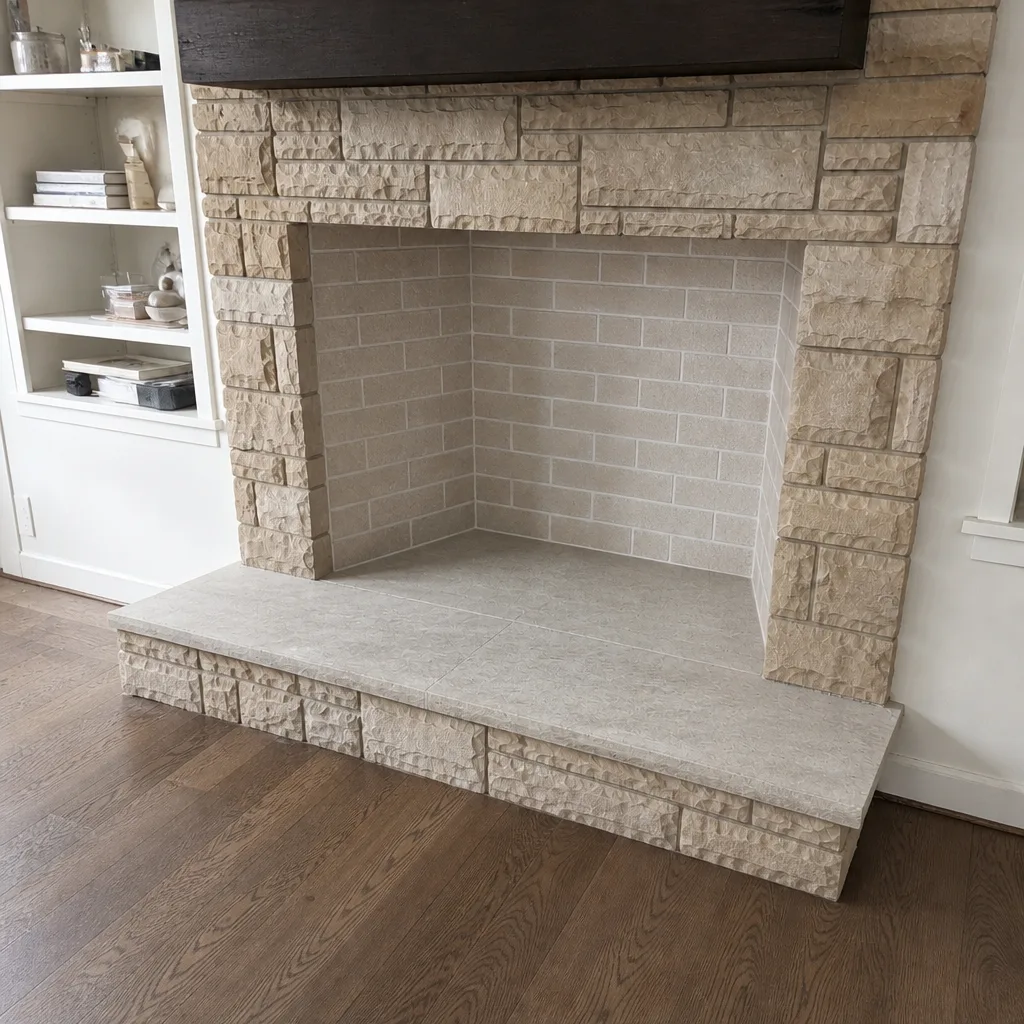
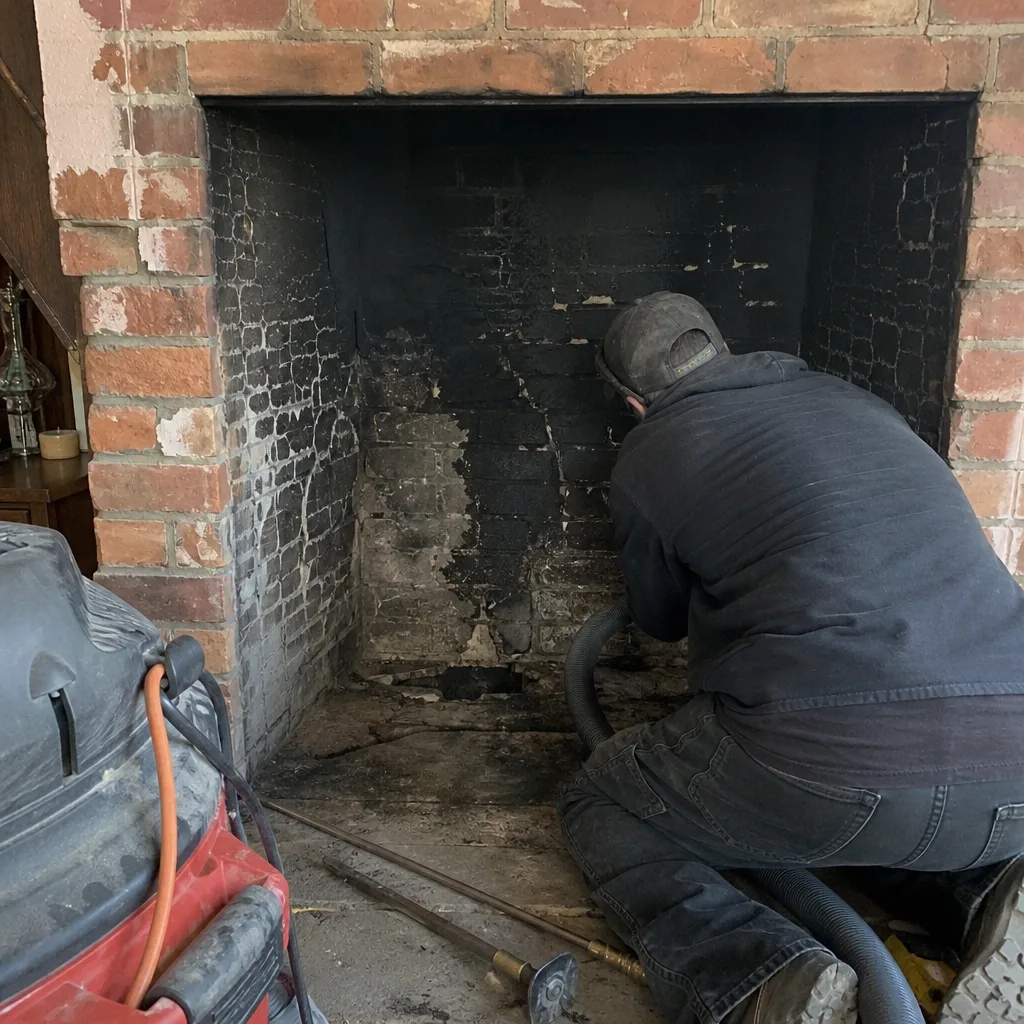
See the difference
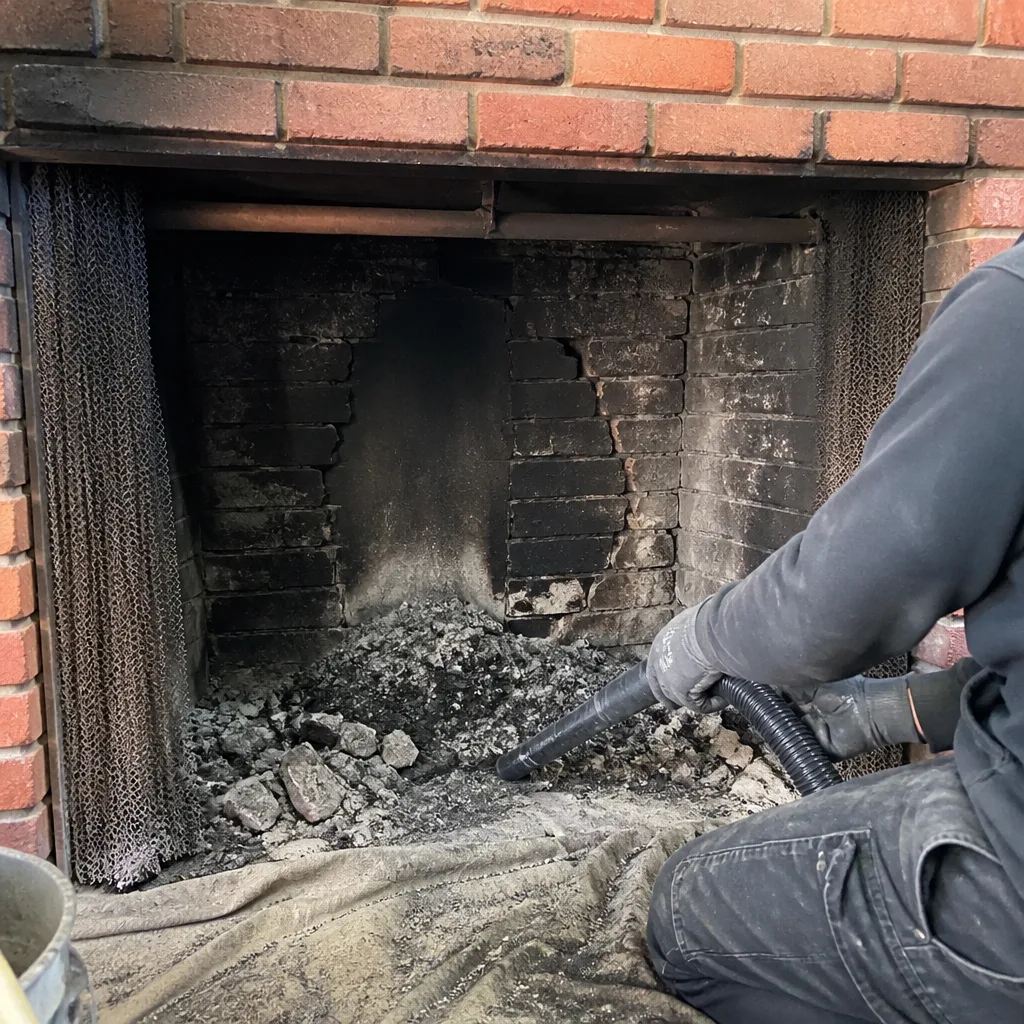 Before
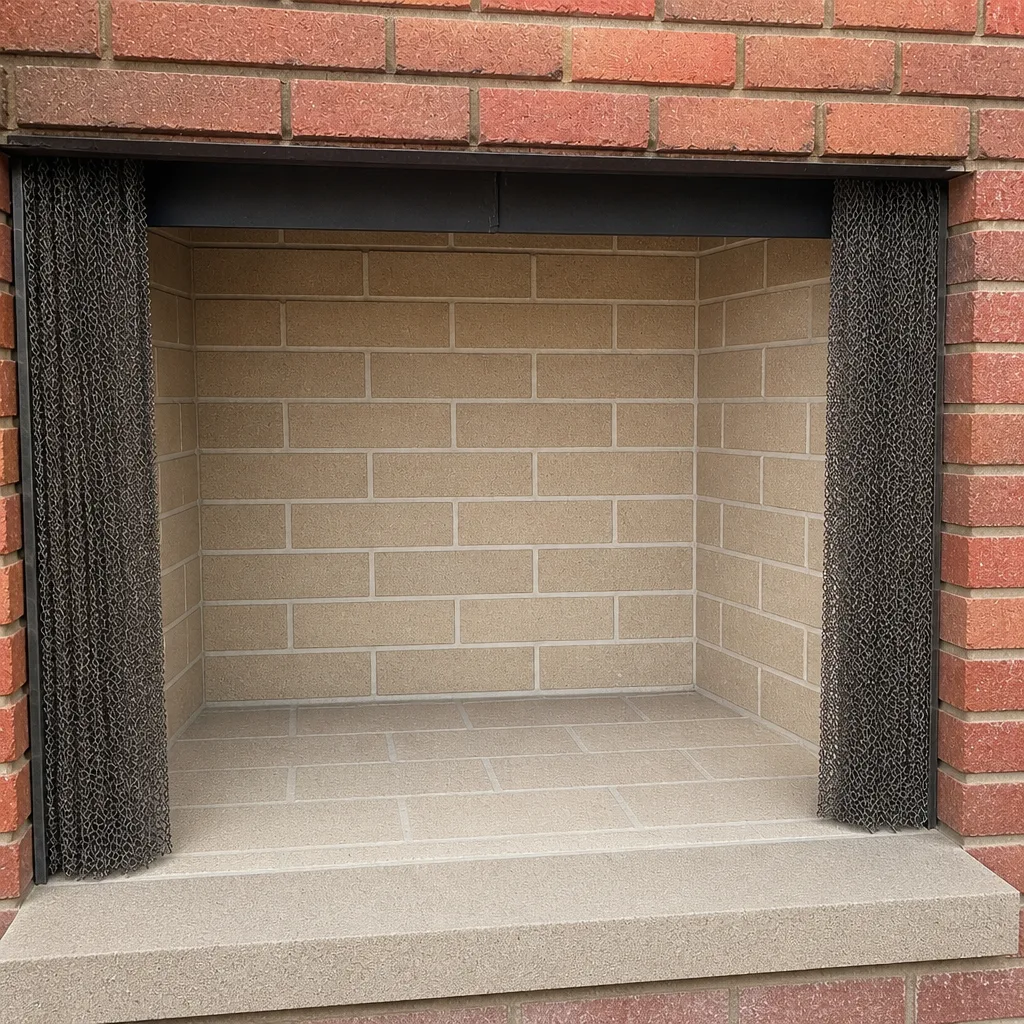 After
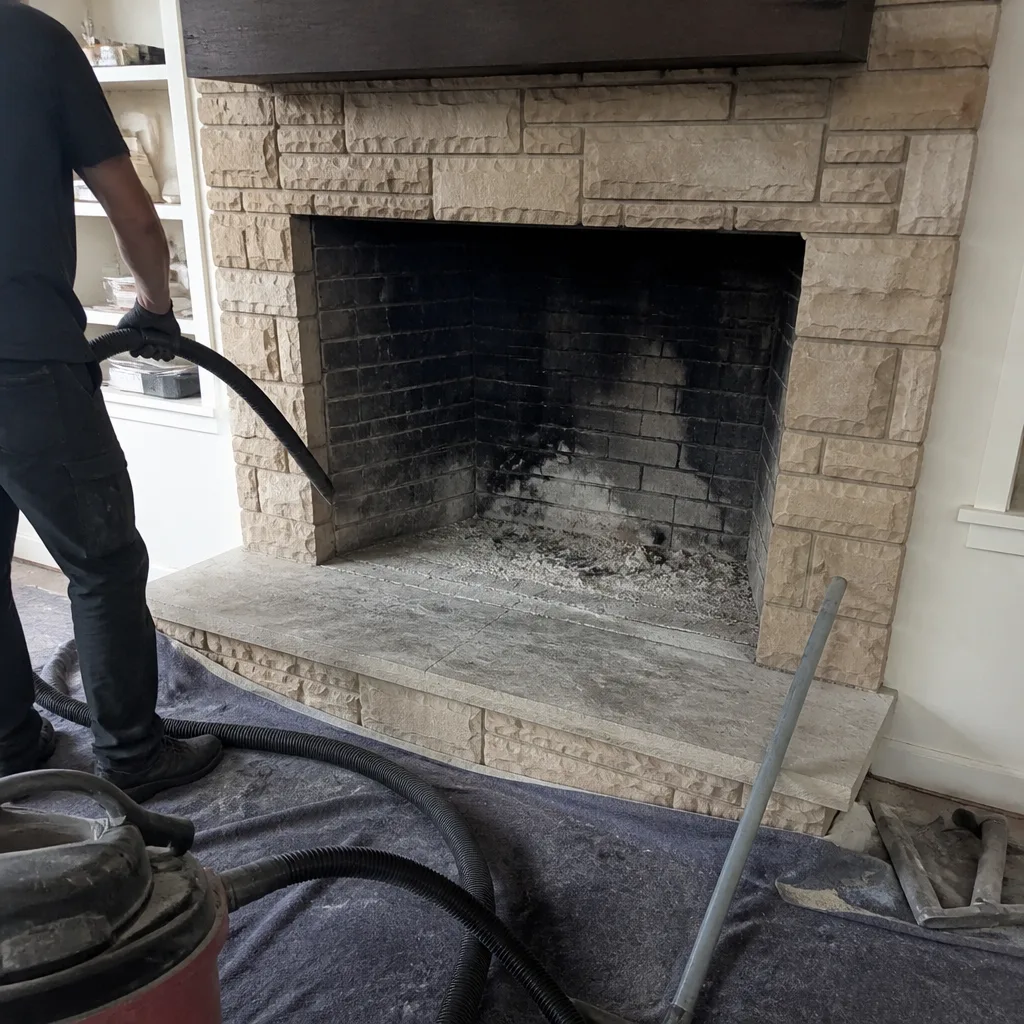 Before
 After
 Before
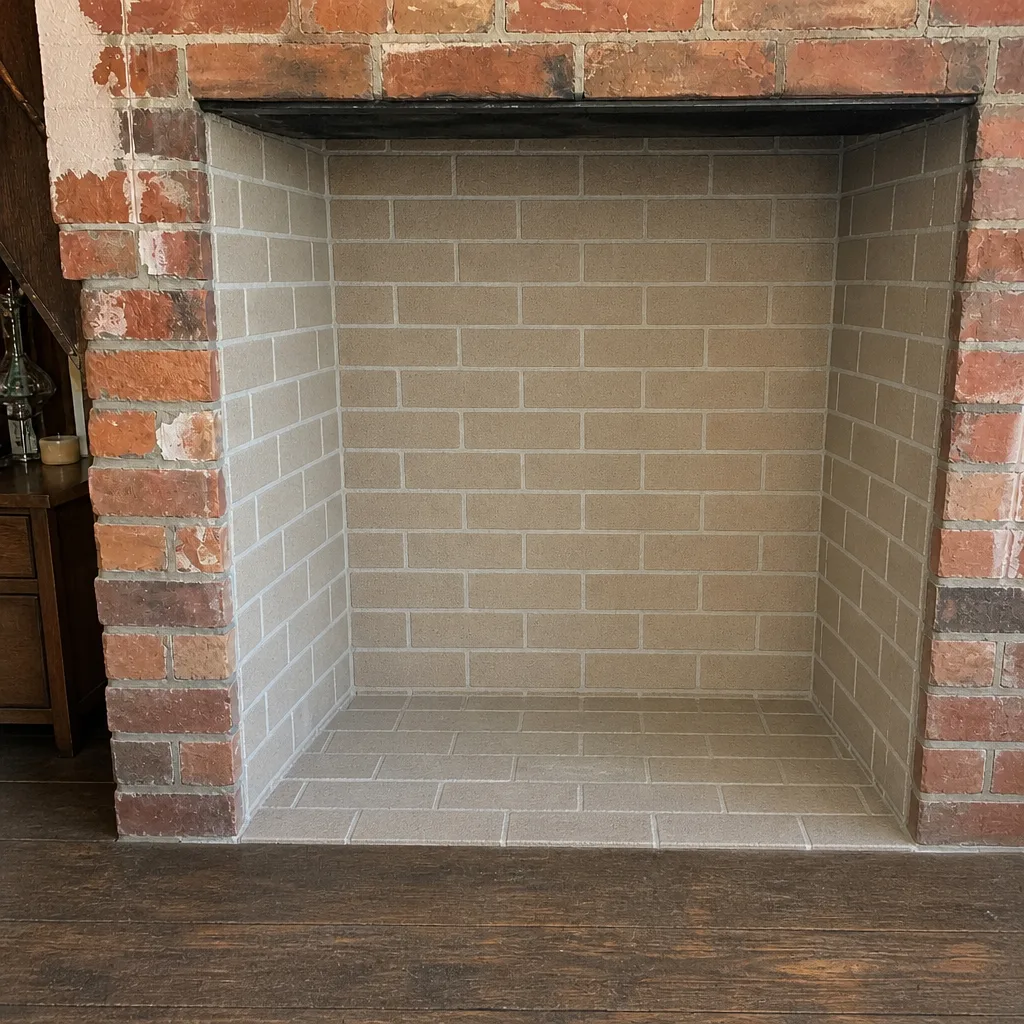 After
When to Call a Professional
Call for a camera inspection if you’ve had a chimney fire or a suspected one, if your CO detector has gone off, if there’s a sudden change in fireplace performance, or if a storm has damaged the chimney exterior. Call if you’ve never had the flue inspected, if your wood has been burning poorly, or if the smell of smoke lingers in the room after the fire is out. Call if it’s been more than a year since your dryer vent was cleaned. And call before the first cold snap of the season, when you still have time to schedule a visit without stress. Kansas City Chimney Cleaning offers free estimates in Kansas City. Call (866) 480-2930. We answer 24/7. Fast dispatch from 7am to 7pm, Sunday through Friday, and closed Saturday. The estimate is free, the price is set per job by the written estimate, and nothing is recommended that you can’t see on a camera report first.
Frequently Asked Questions
Open a window, stop the fire if you can do so safely, and get everyone out if the smoke is heavy or accompanied by a CO alarm. Smoke backing into the room is usually a draft reversal, but it can also be a blocked or damaged flue, and the two need different responses. Call (866) 480-2930 for an exact quote on an inspection. Estimates are free.
A chimney fire sounds different from a normal fire: a low rumble, a roar, or a whooshing noise, often with intense heat coming off the chimney breast and a dense, pungent smell. A normal fire sounds like crackling wood and pulls cleanly up the flue. If you’re unsure, assume it’s a chimney fire and follow the steps above.
It depends on what the camera inspection shows. HeatShield resurfacing can often restore a damaged clay liner rather than replace the entire flue, but a liner with extensive structural damage may need professional relining with DuraFlex stainless-steel systems. Nothing is recommended without camera evidence you can see first. Call (866) 480-2930 to schedule an inspection. Estimates are free.
The standard guidance is an annual inspection and a sweep when creosote has built to roughly a quarter-inch, and Kansas City’s heating season usually makes an annual visit the right cadence. If your home has been through a storm, a fire event, or a fuel change, get a Level 2 inspection before the next fire regardless of the calendar. Call (866) 480-2930 for an exact quote. Estimates are free.
A skipped inspection means a cracked liner, a loose cap, or a dangerous creosote load can go unnoticed all season, and those are the conditions that turn into a chimney fire or a CO event. In our experience, most of the serious damage we see was avoidable with a fall inspection. Call (866) 480-2930. We answer 24/7. Fast dispatch from 7am to 7pm, Sunday through Friday.
Only after a professional has checked it. Storm damage to the flue interior, cap, or crown doesn’t always show from the ground, and a loose piece of masonry in the flue can block it completely. If a significant storm has passed through Kansas City, get the inspection before your next fire. Call (866) 480-2930 for a free estimate.
The Bottom Line
Chimney emergencies in Kansas City split into two groups, and they don’t get the same response. A chimney fire, a CO venting failure, or a draft reversal calls for evacuation, a 911 call, and no fire in the flue until a Level 2 inspection clears it. Storm damage from ice, wind, or hail calls for a camera inspection and a written record before anything is repaired. Both paths are shorter and cheaper when a fall inspection catches the problem in September instead of a fire doing it in February. The camera report shows you what’s actually happening, so you can decide on your own terms rather than guess. We use professional-grade components from brands like Olympia Chimney, Famco, and Copperfield on every job, and the scope covers resurfacing, relining, and full repair, not just sweeping. Call (866) 480-2930 for a free estimate. We answer 24/7. Fast dispatch from 7am to 7pm, Sunday through Friday, and closed Saturday.
Written by the team at Kansas City Chimney Cleaning.