
Last updated November 15, 2026
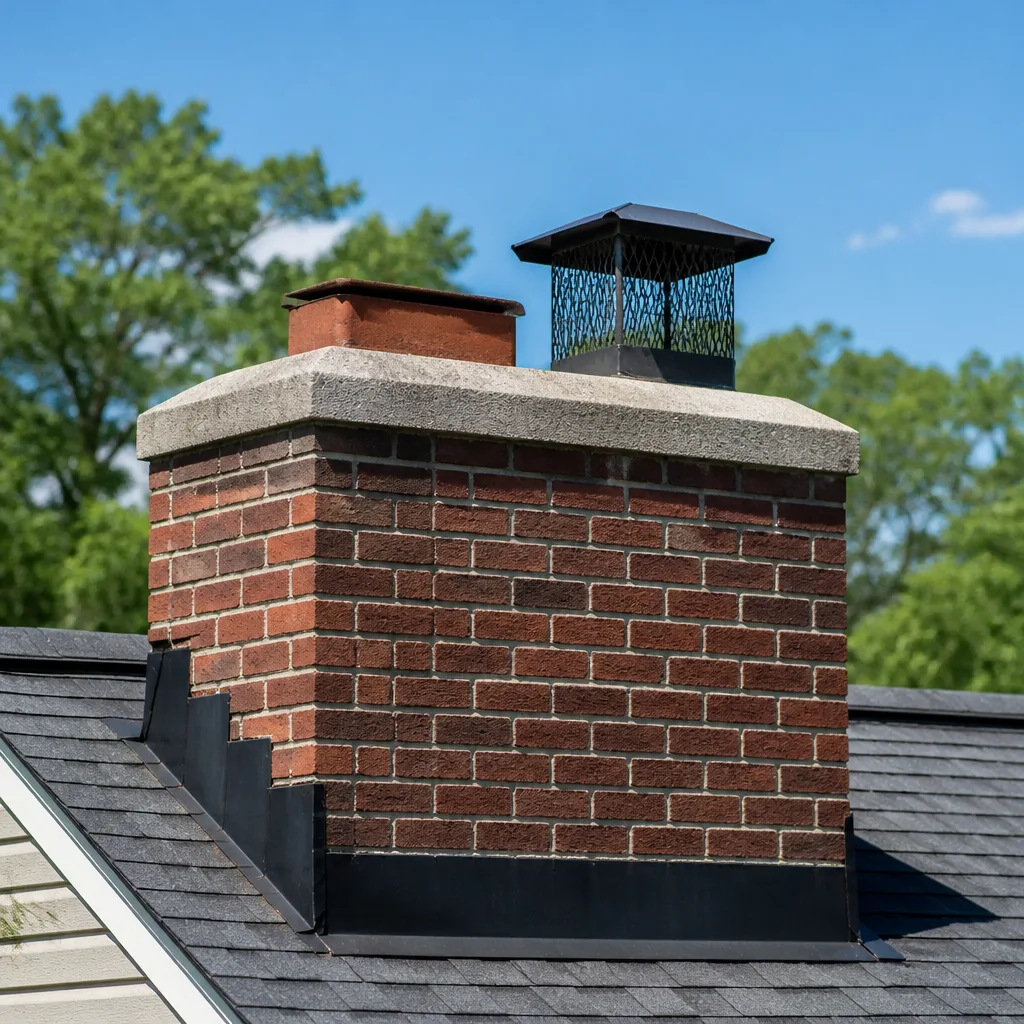 Sweep & inspection
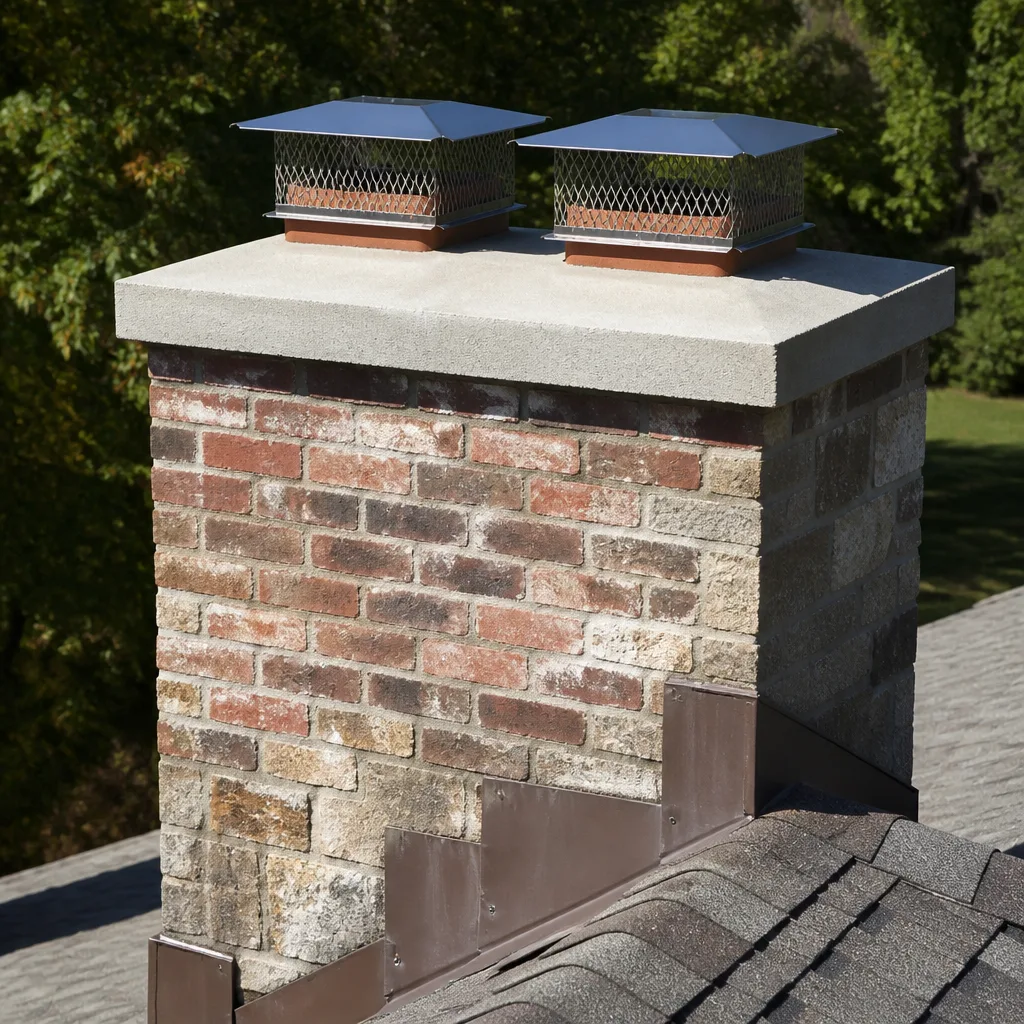 Caps & crowns
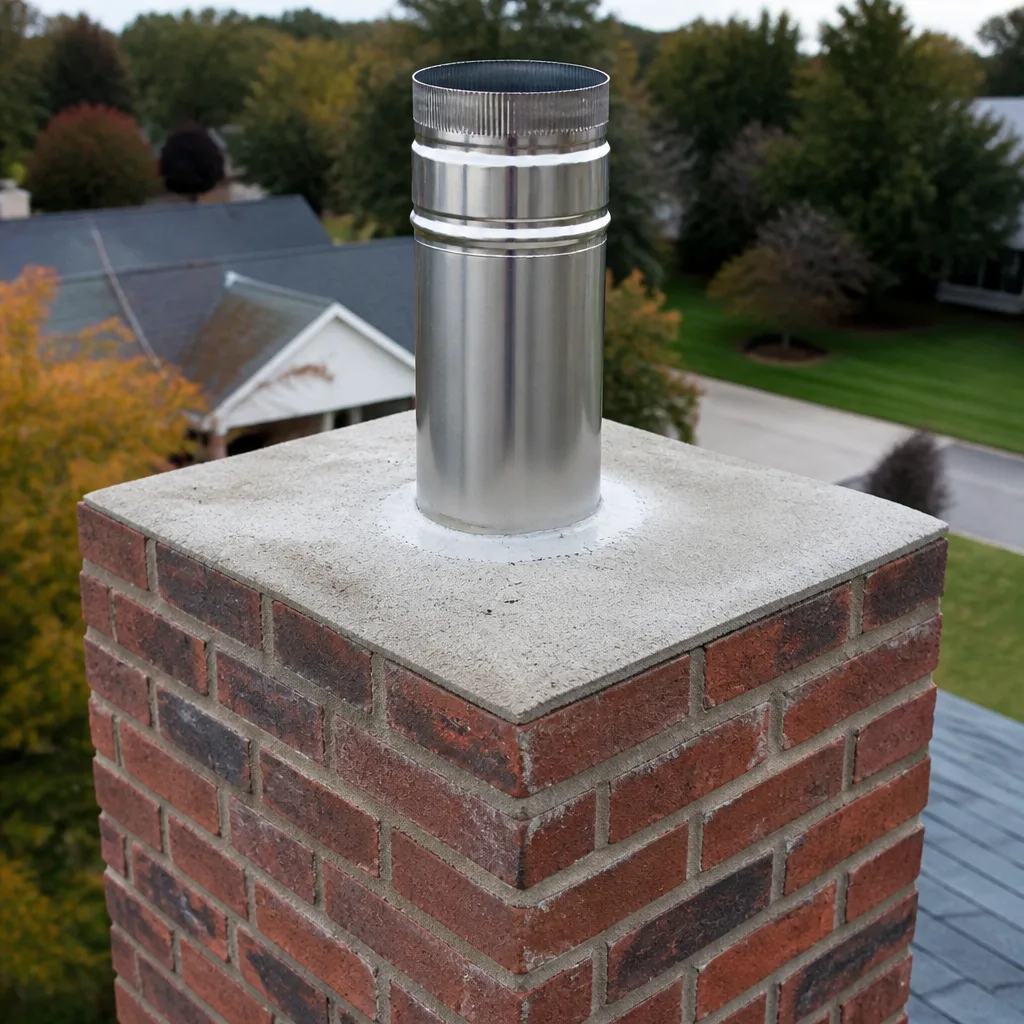 Flue relining
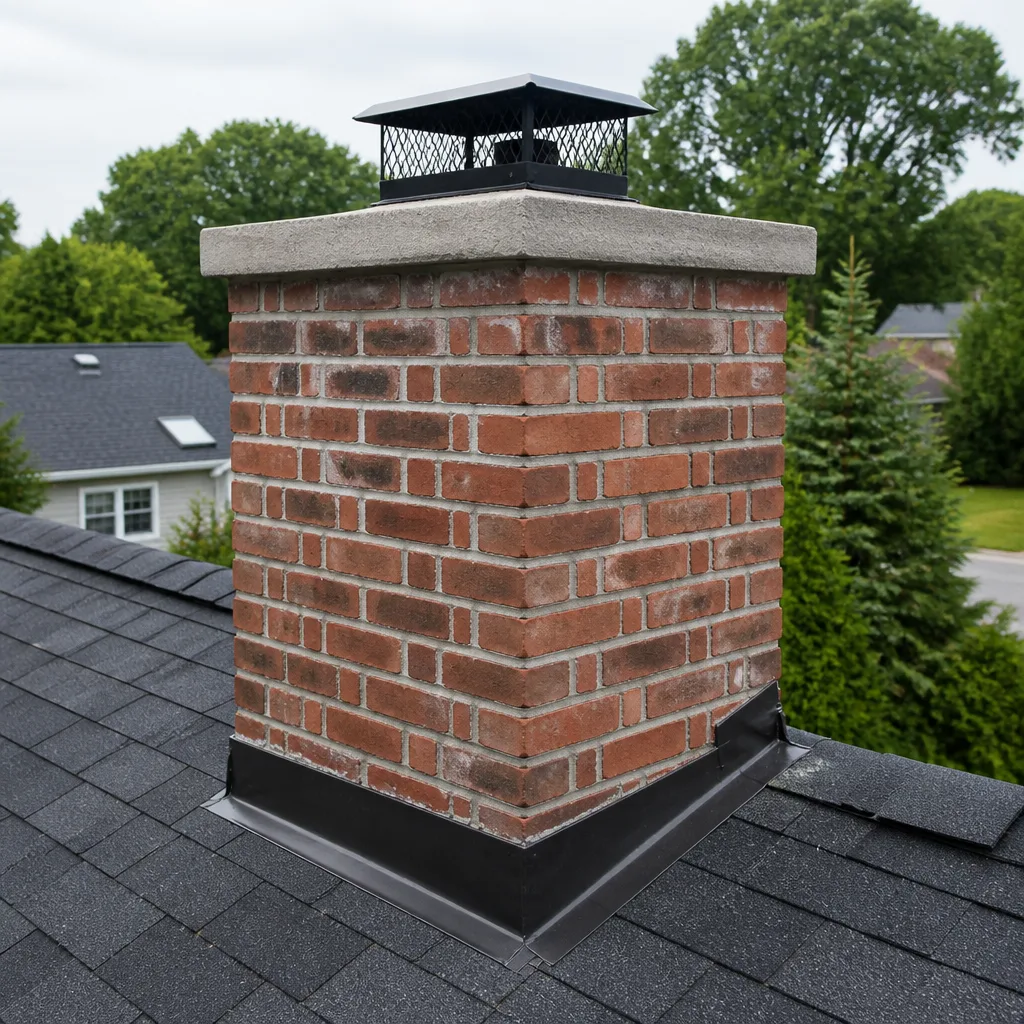 Masonry repair
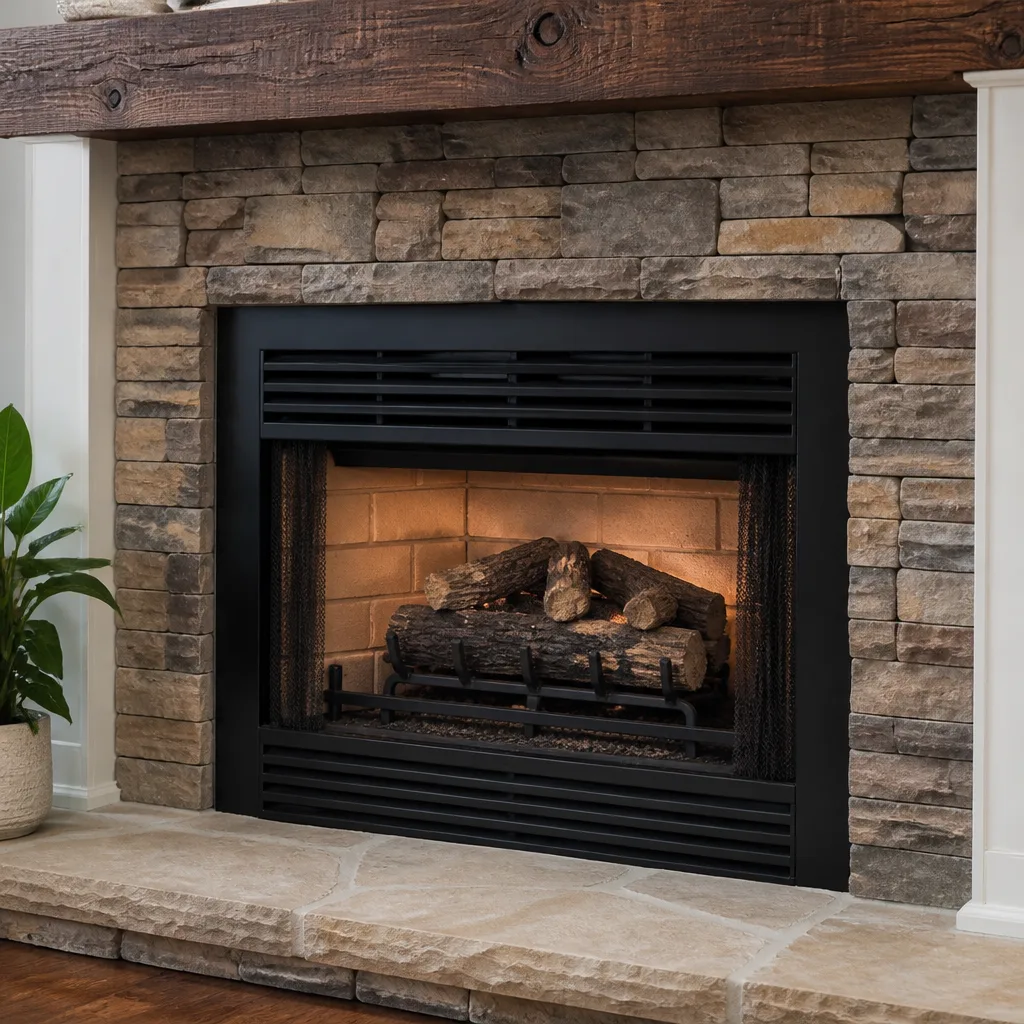 Gas fireplace service
Level 1 sweep and inspection to the NFPA 211 annual standard - flue, crown, cap, and flashing checked and photographed
Chimney sweep logs do not sweep chimneys. They loosen some creosote - which then falls where a brush and vacuum still have to collect it.
The Complete Guide to Chimney Cleaning in Kansas City
Here’s something that surprises most homeowners: the National Fire Protection Association reports that 30% of home heating fires involve chimneys that were “recently cleaned.” That number doesn’t mean cleaning is pointless. It means cleaning without inspection misses the failures that actually cause fires. In Kansas City, this matters more than in most places. Our clay-heavy soil, hard freeze-thaw cycles, and long burning season put stresses on a chimney system that a quick brush-and-vacuum visit never touches. In this guide, we’ll walk through what a real chimney cleaning involves in Kansas City, how the local climate affects your flue, and how to tell whether a sweep quote is complete or quietly under-scoped.
Styles & brands we work with
- Sweep & inspection
- Caps & crowns
- Flue relining
- Masonry repair
- Gas fireplace service
Quick Answer
Chimney cleaning in Kansas City is a sweep plus an inspection, not just a brush down the flue. A proper visit clears creosote and soot, then checks the liner, mortar joints, cap, and firebox for the structural problems that Kansas City’s expansive clay soil and freeze-thaw cycles cause over time. If a sweep quote covers only the brush and vacuum, you’re missing the part that catches most chimney hazards.
Table of Contents
- Why Cleaning Alone Isn’t Enough in Kansas City
- How Kansas City’s Climate Affects Your Chimney
- Level 1, Level 2, and Level 3 Inspections: When You Need Each
- Creosote Stages: Why Stage Matters More Than Quantity
- What a Real Chimney Cleaning Covers
- What a Sweep-Only Outfit Cannot Do
- Red Flags in a Chimney Cleaning Quote
- Common Mistakes to Avoid
- When to Call a Professional
- Frequently Asked Questions
- The Bottom Line
Why Cleaning Alone Isn’t Enough in Kansas City
A chimney is a system, not a tube. Cleaning removes what’s accumulated inside it. Inspection tells you whether the system holding that creosote in place is still sound. Skip the second part and you can sweep a flue that’s pulling fine while the mortar joints behind the liner flake away or the liner has cracked from a shift in the foundation below.
That last failure is a Kansas City specialty. The expansive clay soil across the metro swells when wet and shrinks when dry, and it moves foundations. When a foundation shifts, the chimney mass above it shifts too. Hairline cracks open in clay tile liners. Mortar joints at the smoke chamber loosen. None of that shows up in a brush. It shows up in a camera.
This is the practical difference we draw whenever a homeowner asks what “full-service” actually means. We resurface, reline, and repair, not just sweep, and that capability changes what we’re looking for during the visit. When a sweep-only company cleans a Kansas City flue, the job is complete when the brush comes out. When a full-service company cleans it, the inspection just started.
Our technicians have up to 12 years of experience reading these failure patterns on Kansas City homes, and the pattern is consistent: joints that look fine from the firebox have often lost their bond higher up, where moisture and thermal cycling do the most work.
What “system” means in practice
- The flue liner, whether clay tile or stainless steel
- Mortar joints between tiles and at the smoke chamber transition
- The chimney crown and cap, which keep water out of the whole assembly
- The firebox and damper
- Any appliance connector, for gas inserts or wood stoves
Every one of those parts affects how the flue drafts and how safely it vents. A cleaning that ignores them is a cleaning that misses half the answers.
How Kansas City’s Climate Affects Your Chimney
The Midwest freeze-thaw cycle is hard on masonry. Water soaks into mortar and brick during a thaw, then freezes overnight, expands roughly 9% as it turns to ice, and pries the mortar joint open a little wider. Repeat that cycle across dozens of Kansas City winters and the cumulative damage to a chimney crown or joint line is real. It’s also slow enough that homeowners rarely notice until a liner problem shows up on camera.
The Kansas City region also has a long, cold burning season. Wood stoves and fireplaces run hard from fall into spring, which is more creosote production than a mild-climate chimney ever sees. Between the seasonal buildup and the structural movement underneath, Kansas City chimneys tend to accumulate two separate problems at once: what’s inside the flue, and what’s happening to the flue itself.
Clay soil and the liner crack connection
Most Kansas City homes built before the 1990s have clay tile liners. Clay tile is brittle. It handles heat well but it doesn’t flex, and when the chimney mass moves with the foundation, the tile doesn’t. A crack in a clay liner lets heat and combustion gases reach the surrounding framing or masonry. That’s a fire risk and a hidden one, because the crack may sit two feet above the firebox where nobody can see it without a camera.
This is why an inspection inside the flue matters in Kansas City specifically. Elsewhere, “check the liner” is a nice-to-have. Here, expansive clay makes structural displacement a routine finding, not an outlier. If a sweep-only company tells you the liner is fine based on a visual from the firebox, that assessment is not complete.
The cap and crown: water first, then everything else
Water is the most common cause of chimney damage, and in a freeze-thaw climate it’s relentless. A cracked crown or missing cap lets rain straight into the flue, where it wets creosote, spalls brick, and feeds the freeze-thaw cycle from the inside. Purpose-built caps and covers from manufacturers like Gelco or Famco hold up to that cycle far better than improvised hardware-store alternatives, which is why we use them on every job that needs one. A chimney cleaning in Kansas City that doesn’t check the cap is checking the wrong end of the chimney.
Level 1, Level 2, and Level 3 Inspections: When You Need Each
NFPA 211 defines three inspection levels. The level determines how much of the chimney gets looked at and what tools are involved. Knowing which level your situation calls for is the single most useful thing you can bring to a conversation with a chimney company.
Level 1: routine visual inspection
A Level 1 inspection covers the readily accessible portions of the chimney, firebox, and connector, plus the flue as far as the eye can see from the firebox. It’s the appropriate level for a routine annual check on a chimney with no changes to its use and no known problems.
Level 1 is where most homeowner intuition stops. “Someone came out and looked at it.” But a Level 1 cannot see past the damper or around a smoke shelf, and in a Kansas City home with a clay liner, that’s exactly where displacement cracks tend to hide.
Level 2: camera inspection
A Level 2 inspection adds a video scan of the entire flue interior. It’s the level you need after any change in the appliance or fuel type, after a chimney fire, after an earthquake or a known structural event, and whenever the property changes hands. It’s also the level we recommend for any Kansas City chimney built with a clay liner that hasn’t been camera-scanned in recent memory, precisely because foundation-related cracking doesn’t announce itself.
Level 3: diagnostic inspection
A Level 3 inspection is a diagnostic step, done when the findings from a Level 1 or 2 point to a problem that’s hidden behind the chimney structure. It may involve removing parts of the chimney or adjacent construction to see the defect directly. Level 3 isn’t routine. It’s what you do when there’s a specific reason to believe something is wrong and you can’t see it any other way.
When Kansas City homeowners need each
- Annual sweep visit: a Level 1 inspection is included alongside the cleaning.
- New to the home, or buying one: a Level 2 camera inspection, every time.
- After any chimney fire, however small: a Level 2 at minimum.
- Switching fuel type or adding an insert: a Level 2 before the first burn.
- A camera scan showing hidden damage: a Level 3 to determine the full scope.
If you’re booking a sweep, ask which inspection level is included. A cleaning that includes a camera scan covers everything a Level 1 does and sees far more.
Creosote Stages: Why Stage Matters More Than Quantity
Creosote is the byproduct of incomplete wood combustion, and it’s the leading fuel in chimney fires. Most homeowners assume a thin coating is safe and a thick coating is dangerous. That’s not the whole picture. What matters more is which stage the creosote is in, because stages differ in how they behave and how they’re removed.
Stage 1: soot and light flaky creosote
Stage 1 is what a routine sweep handles. It’s powdery, light, and comes off with standard brushes. A chimney kept in Stage 1 is a chimney whose owner burns dry wood and gets it swept on schedule.
Stage 2: hardened, glazed creosote
Stage 2 is a dark, hardened deposit. It forms when creosote has condensed and hardened on the flue walls. Standard brushes make little impression on it. This is the stage where Kansas City homeowners tend to hear “your chimney needs more than a cleaning,” because Stage 2 deposits need specific tools and sometimes chemical treatment to remove fully. It’s also the stage where a sweep-only outfit will walk away and leave it, because brushing alone doesn’t touch it.
Stage 3: glazed, tarry creosote
Stage 3 is a hard, glazed, tarry coating, often concentrated at the top of the flue where the cooling is greatest. It’s the most volatile stage and the one that most reliably produces a chimney fire. Removing Stage 3 usually calls for professional-grade equipment and judgment. Improvised scraping is not the answer, and the safety stakes are high enough that it’s a job for a trained professional, not a homeowner with a brush and a ladder.
How we identify stage
Stage is best read with a camera and a tool on the flue wall. Soot color, texture, and flake pattern tell the story, and the pattern up the flue often varies. A flue can be Stage 1 near the bottom and Stage 3 at the top, which is why a glance from the firebox never tells you the whole story. Anything above Stage 1 changes the plan for the visit, and any Stage 3 finding is a real maintenance priority, not a scare tactic.
One more thing: quantity can mislead in the other direction. A light-looking glaze that’s actually Stage 2 is more of a hazard than a heavy flaky coating that’s Stage 1. That’s why we go by stage first.
What a Real Chimney Cleaning Covers
Here’s what a full cleaning visit covers when the company is set up for the whole job, not just the brush.
- Firebox and damper: clear soot and ash, confirm the damper operates freely.
- Flue sweep: clear deposits up the full run of the flue with brushes matched to the flue diameter.
- Smoke chamber and shelf: this area collects creosote that a straight brush pass can miss.
- Camera scan: video the flue interior to check liner condition, joint integrity, and any displacement cracks.
- Crown and cap check: look for cracks, missing caps, and water entry points.
- Appliance connector check, where a gas insert or wood stove is present.
- Written findings: what we found, what’s urgent, and what can wait.
Step 7 is the one we get asked about most. In our experience, Kansas City homeowners are wary of a company that finds “thousands of dollars of work” they can’t verify. We don’t ask you to take a claim on faith. The camera evidence is your proof, and if a repair can safely wait, we say so.
Our sweep visits use purpose-built brushes and a camera; nothing improvised, nothing generic. The same rule applies at the repair stage: when a liner needs work, the replacement goes in as a DuraFlex stainless system sized to the appliance and the flue, not as a hardware-store kit of convenience. The right product for the job is not the cheapest product on the shelf.
When a cleaning also needs repair
Some findings on the camera turn the visit from a cleaning into a repair scope. The most common ones we see in Kansas City involve cracked clay tile liners and failing mortar joints at the smoke chamber. In many of those cases, a HeatShield resurfacing can restore the existing liner rather than tear it out and replace it, which is a proven and tested path we can offer because we handle structural work. A sweep-only company has no path to offer you at all, which is the subject of the next section.
What a Sweep-Only Outfit Cannot Do
A sweep-only company cleans. It does not repair structural problems, and in many cases its owners won’t even quote them. This isn’t a knock on every sweep technician; it’s a matter of scope. Sweeping and structural liner repair are different trades with different tools, different materials, and different credentials.
What a sweep-only outfit cannot do:
- Replace a cracked clay tile liner with a stainless-steel system
- Resurface a liner with HeatShield to restore it without a full replacement
- Rebuild a smoke chamber or repair a failed crown at the material standard a full-service company uses
- Install or repair the appliance connector for a gas insert safely to code
- Remediate Stage 2 or Stage 3 creosote deposits that require more than a brush pass
The result is a two-vendor problem. Your sweep says “the liner needs work.” You call a masonry contractor. The masonry contractor doesn’t sweep. Now you’re coordinating two schedules and two opinions, and you’re the one stuck inferring whether the diagnosis makes sense.
This is why we work as one provider for the sweep, the structural repair, and the dryer vent cleaning. The dryer vent piece matters, too. Along with the chimney, it’s one of the leading causes of residential fires, and a homeowner who can schedule both from one relationship has one fewer loose end. A company that only sweeps isn’t the right company to solve a liner problem, and a company that doesn’t handle dryer vents isn’t the right company to solve your other vent, either.
Material standard, in plain terms
When a repair is needed, the materials matter, and a general handyman will source whatever’s cheapest. We use industry-recognized components from DuraFlex, HeatShield, Gelco, Olympia Chimney, Famco, and Copperfield because the brand standard is the proof point. HeatShield is a recognized resurfacing system, not an improvised patch. A DuraFlex liner is an engineered steel system, not a roll of generic tube. Purpose-built caps and ventilator components hold up under freeze-thaw in a way generic hardware doesn’t. If a company can’t tell you what brand of liner or resurfacing system is going into your chimney, that’s a reason to keep asking questions.
Red Flags in a Chimney Cleaning Quote
A quote tells you what the company thinks the job is. Read it for what’s missing, not just for the price.
Red flags to look for
- No inspection level named. If the quote doesn’t say whether a Level 1, 2, or 3 inspection is included, it’s underspecified.
- No camera mentioned. A Kansas City cleaning without a camera scan misses the liner cracks that matter most here.
- No crown or cap check. A chimney with water coming in is a chimney that will need more than a cleaning by spring.
- “The liner is fine” after a firebox-only look. That claim can’t be made without a camera in the flue.
- No mention of what happens if creosote is Stage 2 or 3. A quote that assumes Stage 1 pricing will either leave the deposit in place or surprise you later.
- A price that’s suspiciously low for a “sweep and inspection.” It usually means the inspection isn’t happening.
- No written findings offered. You should walk away with the camera evidence and a written record of what was found.
- Repair scope quoted before the inspection. A repair number offered before the camera goes in is a sales pitch, not a diagnosis.
The mark of an under-scoped quote is a number that looks complete but excludes the part of the visit that catches what actually burns. Ask what’s included before you book.
Common Mistakes to Avoid
- Treating the sweep as the whole job. In Kansas City, the sweep clears the buildup but the inspection is what finds the liner cracks caused by expansive soil and foundation shift. Book both.
- Skipping the annual visit because you burned less this year. A mild season doesn’t stop freeze-thaw damage to the crown or moisten creosote into a Stage 2 deposit. Annual inspection keeps the whole picture current.
- Waiting for a chimney fire before the first camera scan. Stage 2 and Stage 3 creosote don’t announce themselves, and a Level 2 camera scan is the only reliable way to catch them early.
- Hiring a sweep-only outfit and assuming the liner is fine. “The brush came out clean” says nothing about the condition of the flue it went into.
- Burning wet or unseasoned wood to save a few dollars. That’s how Stage 2 and Stage 3 creosote forms, and it’s the most controllable variable in the whole system.
- Ignoring a missing cap because the fireplace still drafts. Water entry is the leading cause of chimney damage in a freeze-thaw climate, and a missing cap lets it in all winter.
- Patching a cracked liner with a sealer from the hardware store. A structural failure needs a tested system like HeatShield or a stainless DuraFlex reline, not a coating from a can.
When to Call a Professional
Call a professional if any of these apply to your home: you’re buying a Kansas City house with a fireplace and need a camera inspection before closing; your chimney hasn’t been inspected since you moved in; you’ve had any chimney fire, however small; you smell a strong creosote odor in warm weather; your damper or smoke chamber looks damaged; or the crown or cap is cracked or missing. Any of those is a reason to book a chimney sweep with a camera scan alongside it, not a general handyman. Kansas City Chimney Cleaning offers free estimates in Kansas City. Call (866) 480-2930. We answer 24/7, and fast dispatch from 7am to 7pm runs Sunday through Friday.
Frequently Asked Questions
Once a year, at minimum, with a camera inspection alongside the sweep. Kansas City’s long burning season produces creosote quickly, and the freeze-thaw cycle can damage the crown or liner between visits. If you burn heavily, or you’ve just moved into a home with a fireplace you don’t have history on, don’t wait a full year. Call (866) 480-2930 for an exact quote. Estimates are free.
In practice, they’re the same visit done well: the sweep clears the creosote, and the cleaning includes the smoke chamber, damper, firebox, and camera scan. The phrase “chimney sweep” is often used loosely by sweep-only companies to describe the brush alone. Ask what’s included before you book, and call (866) 480-2930 with any questions.
You need a new liner only if the camera shows a liner that can’t be restored. A cracked clay tile is a real problem in Kansas City because expansive soil shifts foundations and cracks the brittle tile above. But the diagnosis should be shown to you on camera, not asserted. In many cases HeatShield resurfacing can restore the existing liner without a full replacement, and that’s a repair path we can offer honestly because we handle structural work. Call (866) 480-2930 for a free estimate and ask to see the flue yourself.
Because the clay-rich soil under much of the metro swells and shrinks with moisture, and that movement shifts foundations. When the foundation moves, the chimney moves with it, and clay tile liners crack because they don’t flex. A sweep-only visit won’t catch that. A camera scan will. That’s why we consider a cleaning incomplete in Kansas City without a look inside the flue.
Skipped inspections let Stage 2 and Stage 3 creosote build up and let liner cracks, crown damage, or water intrusion go unnoticed until they cause a fire or a much larger repair. The inspection is where the preventive value lives. A cleaning without it clears the buildup but doesn’t tell you whether the system around it is still sound. Call (866) 480-2930 for a free estimate and we’ll show you what a camera scan looks like.
Yes, if your dryer vent hasn’t been cleaned recently. Chimney and dryer vent are the two leading causes of residential fires, and handling both from one provider means one relationship instead of two. We schedule both as part of the same service visit when you ask. Call (866) 480-2930 and we’ll quote both at once.
The Bottom Line
A Kansas City chimney cleaning is a sweep plus an inspection, and the inspection is where the value is. The NFPA’s 30% figure is a reminder that “recently cleaned” doesn’t equal “safe.” In a metro with expansive clay, freeze-thaw winters, and long burning seasons, the failures that cause chimney fires are inside the flue, not on the surface of the brick. A full-service company resurfacing with HeatShield or relining with DuraFlex can address what a sweep-only outfit never sees. Book the sweep, ask about the camera, and read the quote for what’s missing. The written estimate sets the final price, and the camera evidence belongs to you.
Kansas City Chimney Cleaning handles chimney sweep, chimney repair, and dryer vent cleaning as one provider. For related reading, see our guides on Kansas City Chimney Cleaning, our dedicated chimney sweep page, what a proper dryer vent cleaning involves, and service for Kansas City.
Call (866) 480-2930 for a free estimate. We answer 24/7. Fast dispatch from 7am to 7pm, Sunday through Friday.
Written by the team at Kansas City Chimney Cleaning.
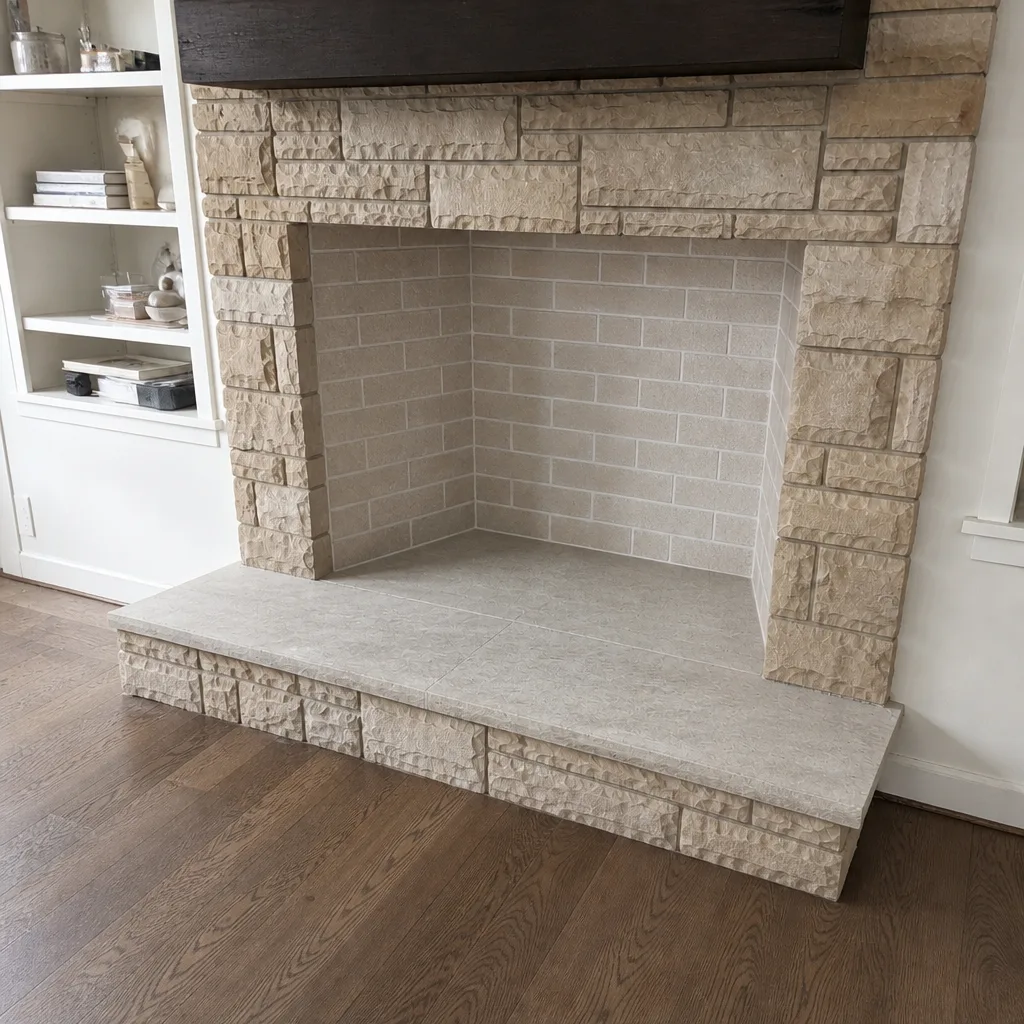
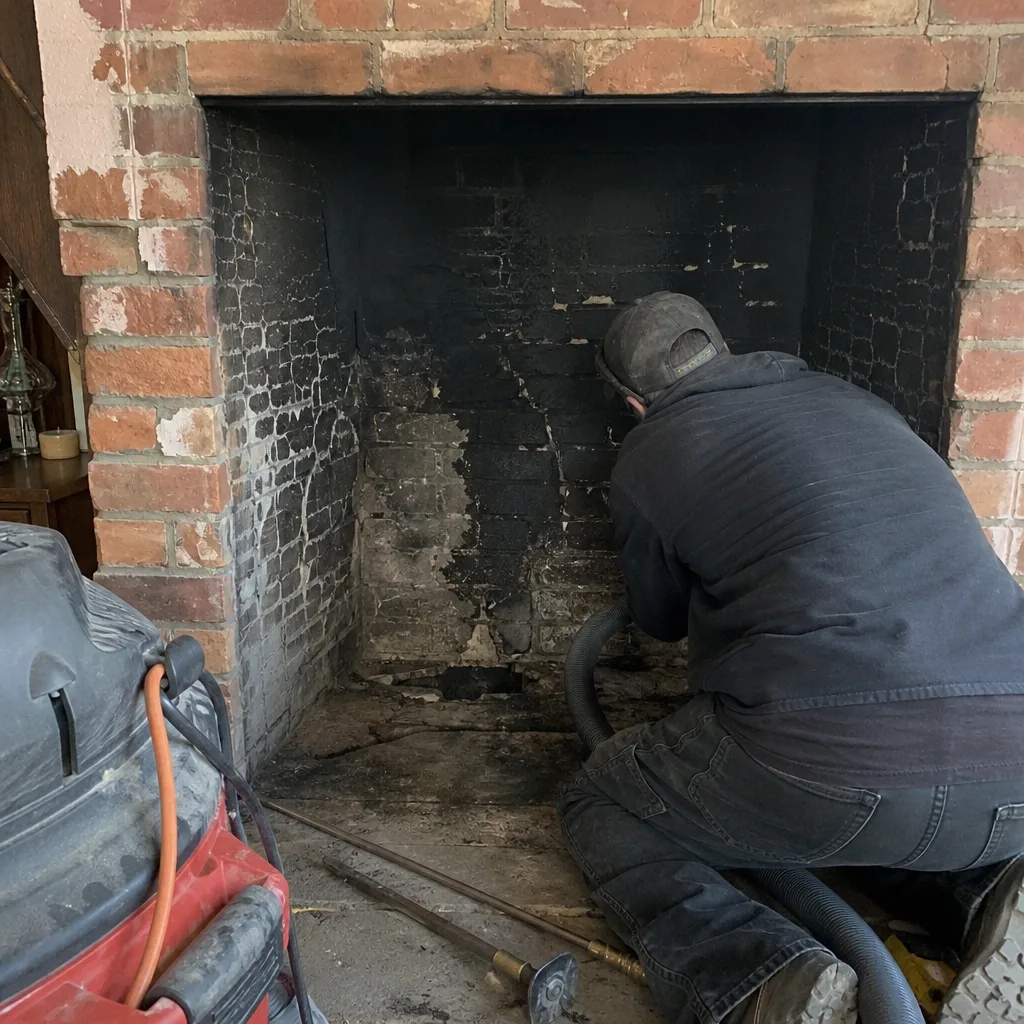
See the difference
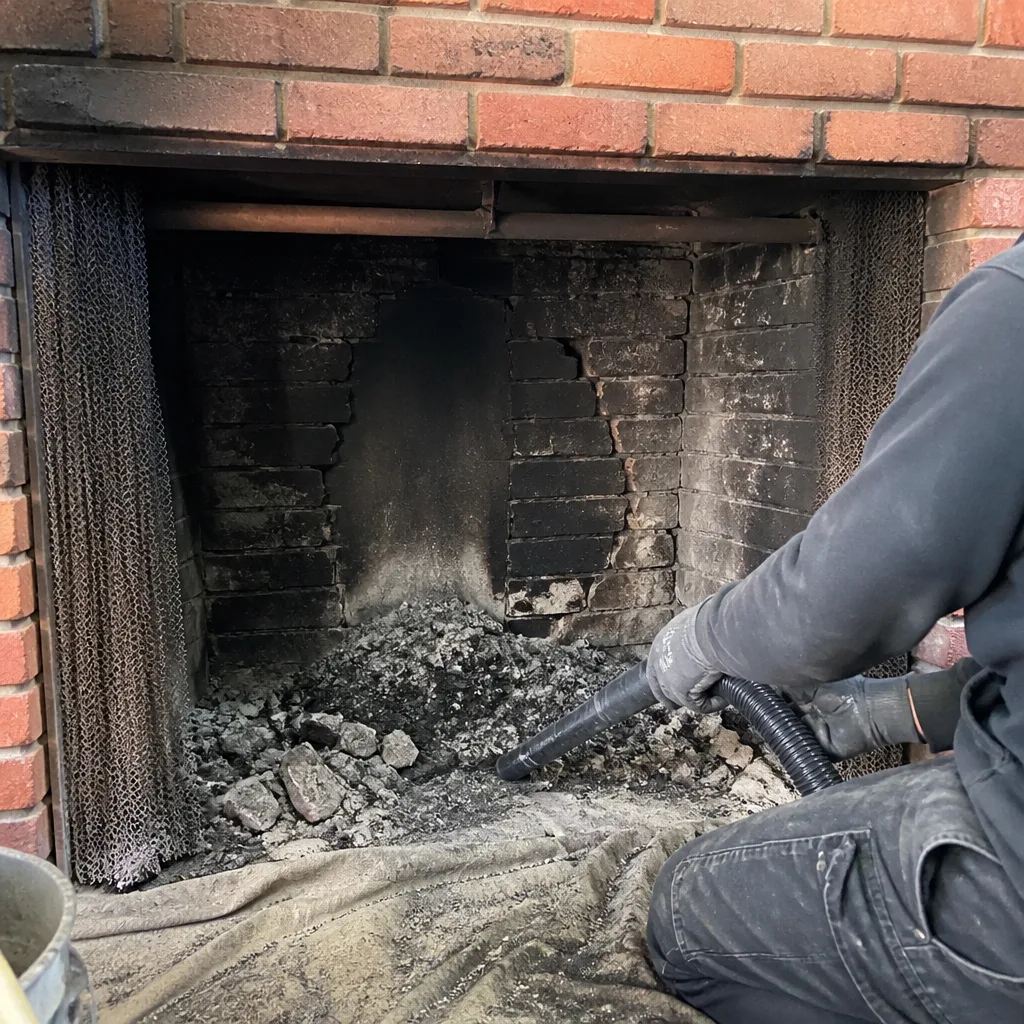 Before
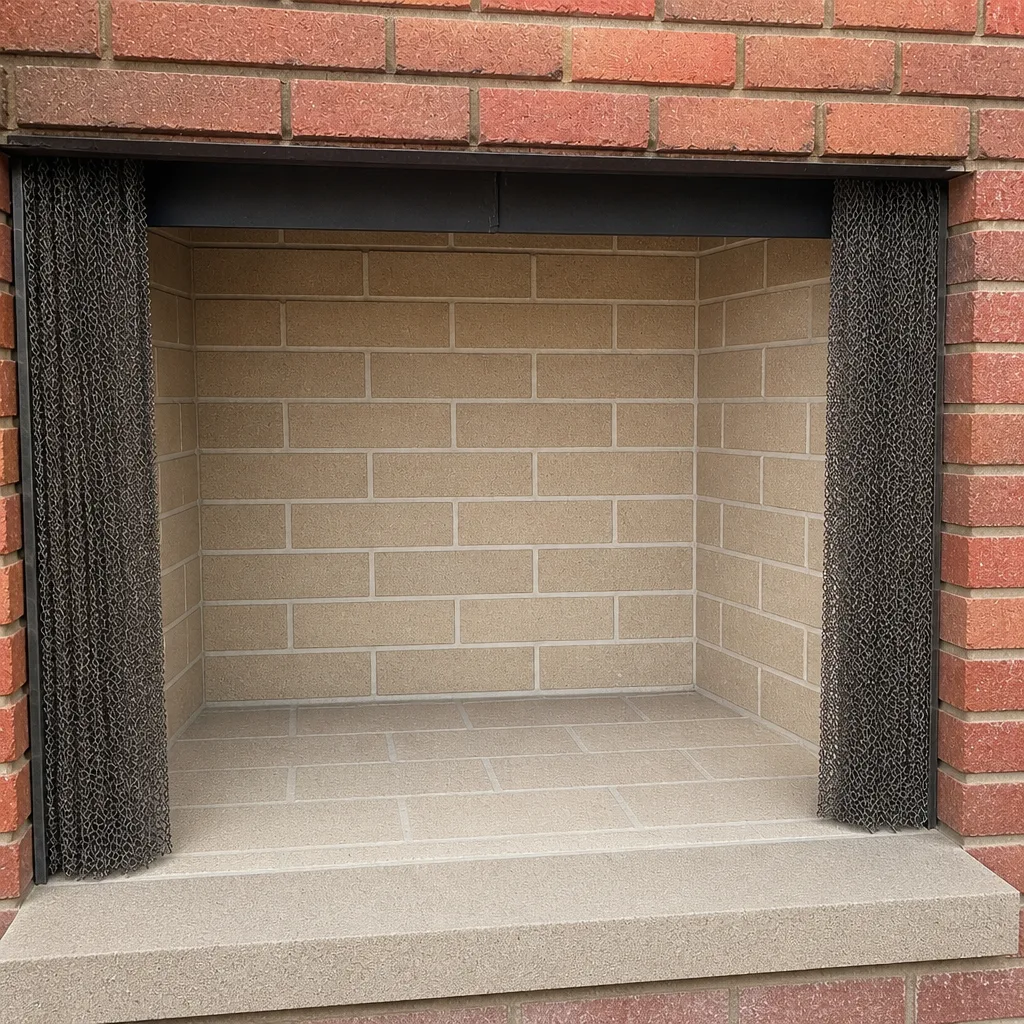 After
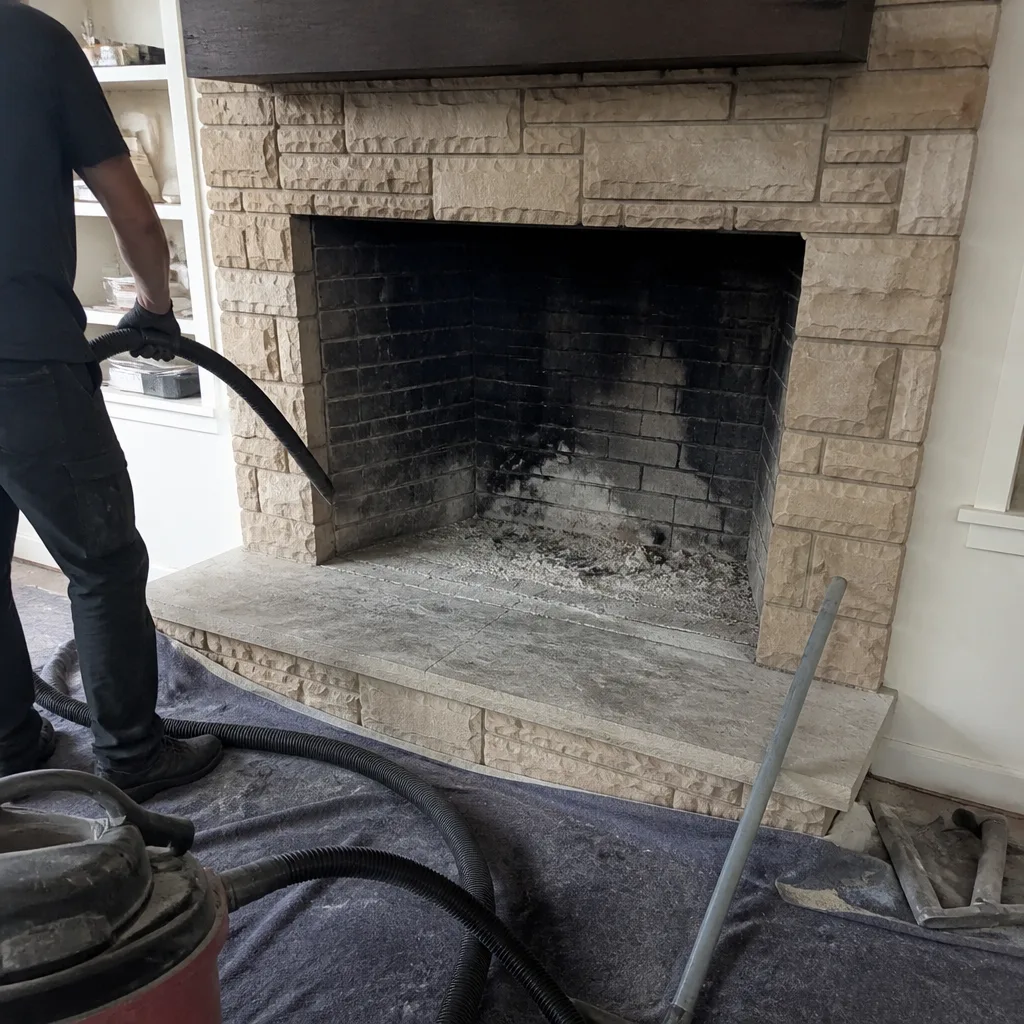 Before
 After
 Before
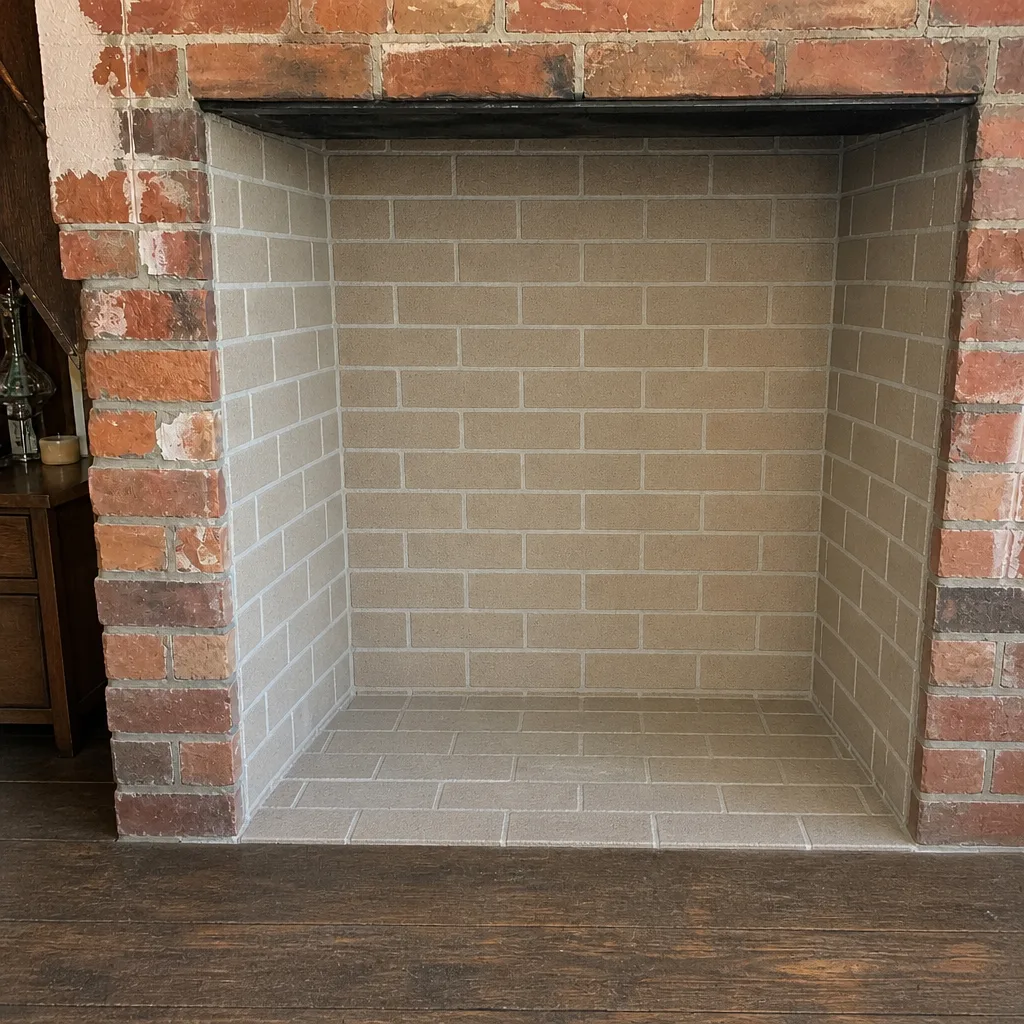 After