
Last updated November 15, 2026
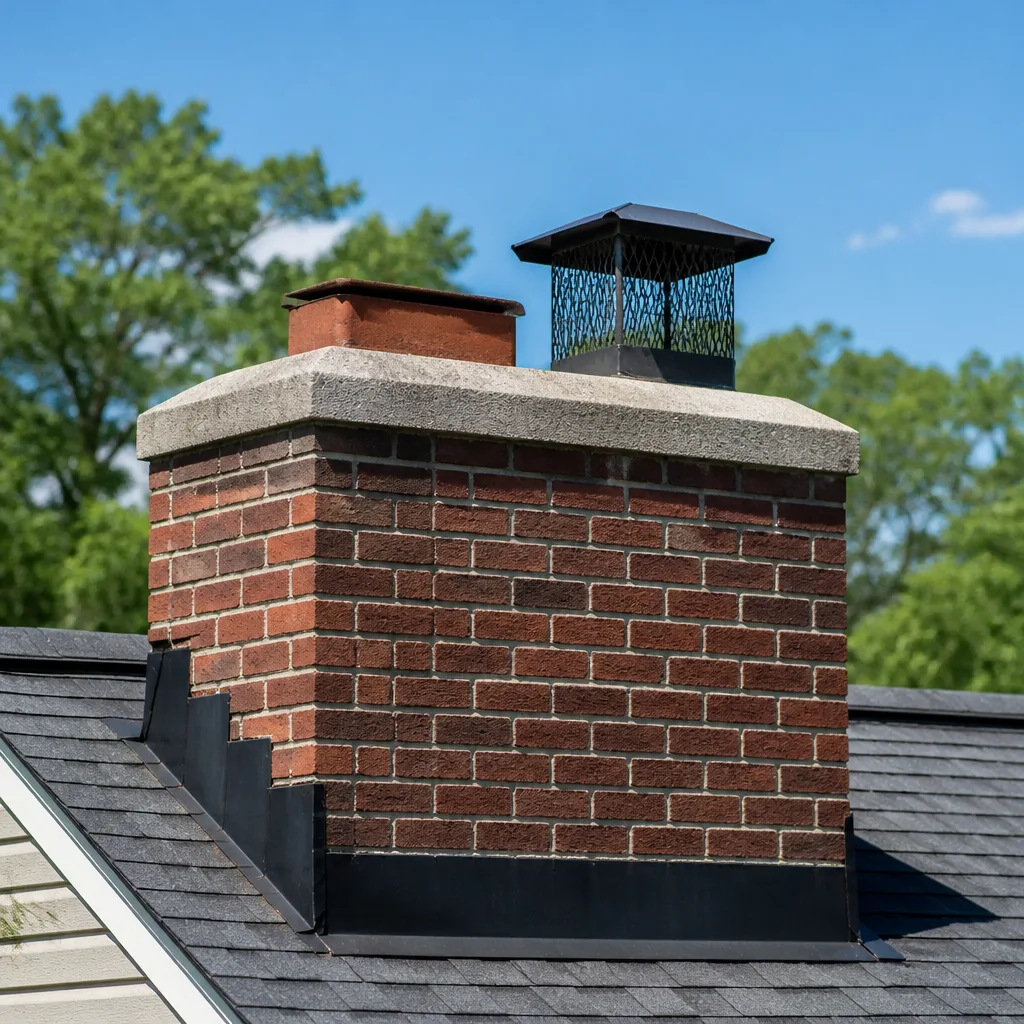 Sweep & inspection
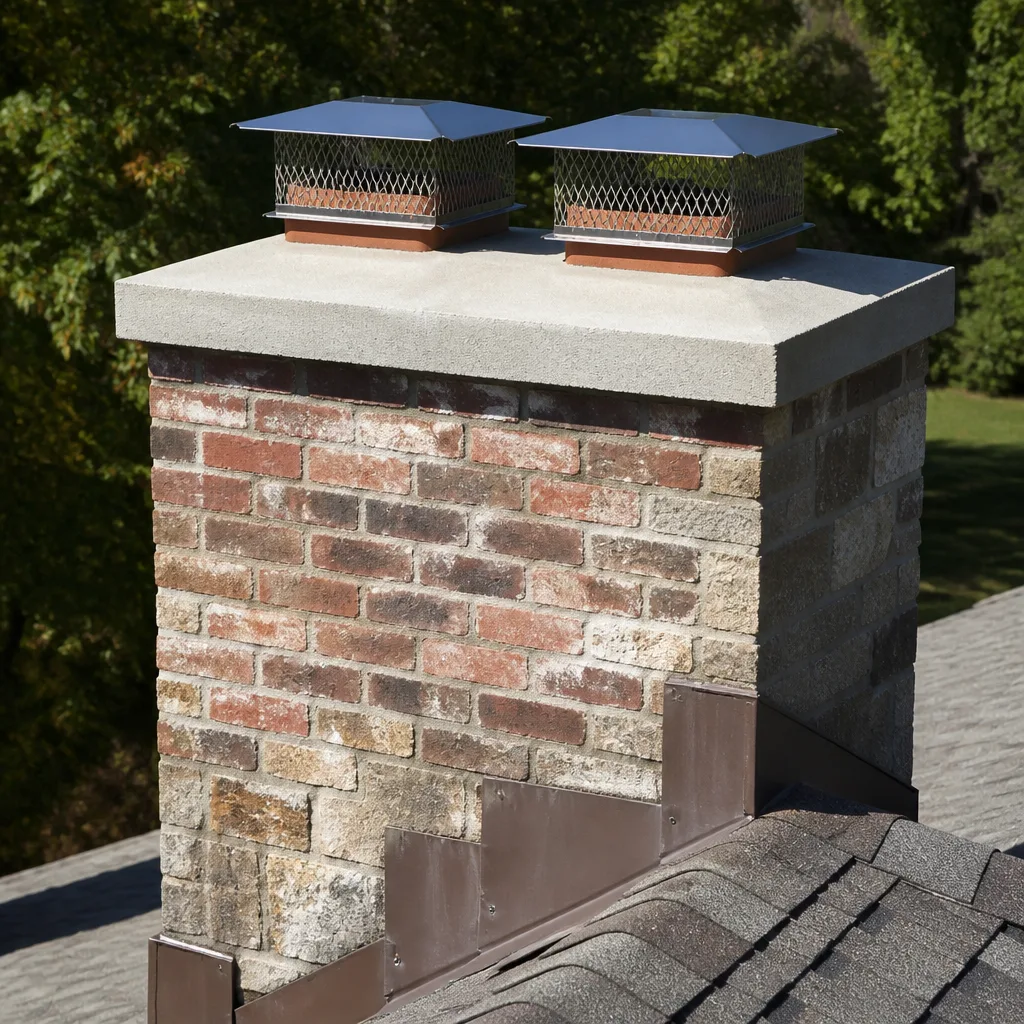 Caps & crowns
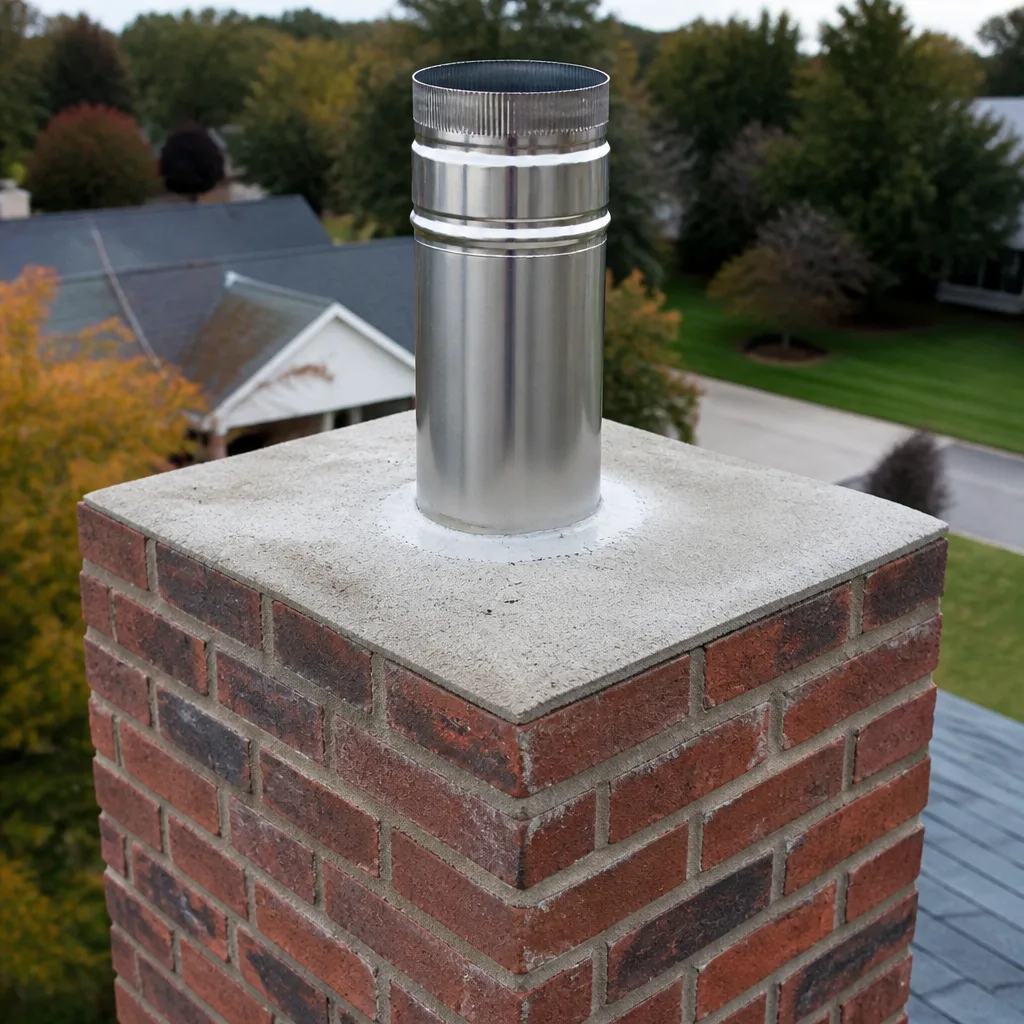 Flue relining
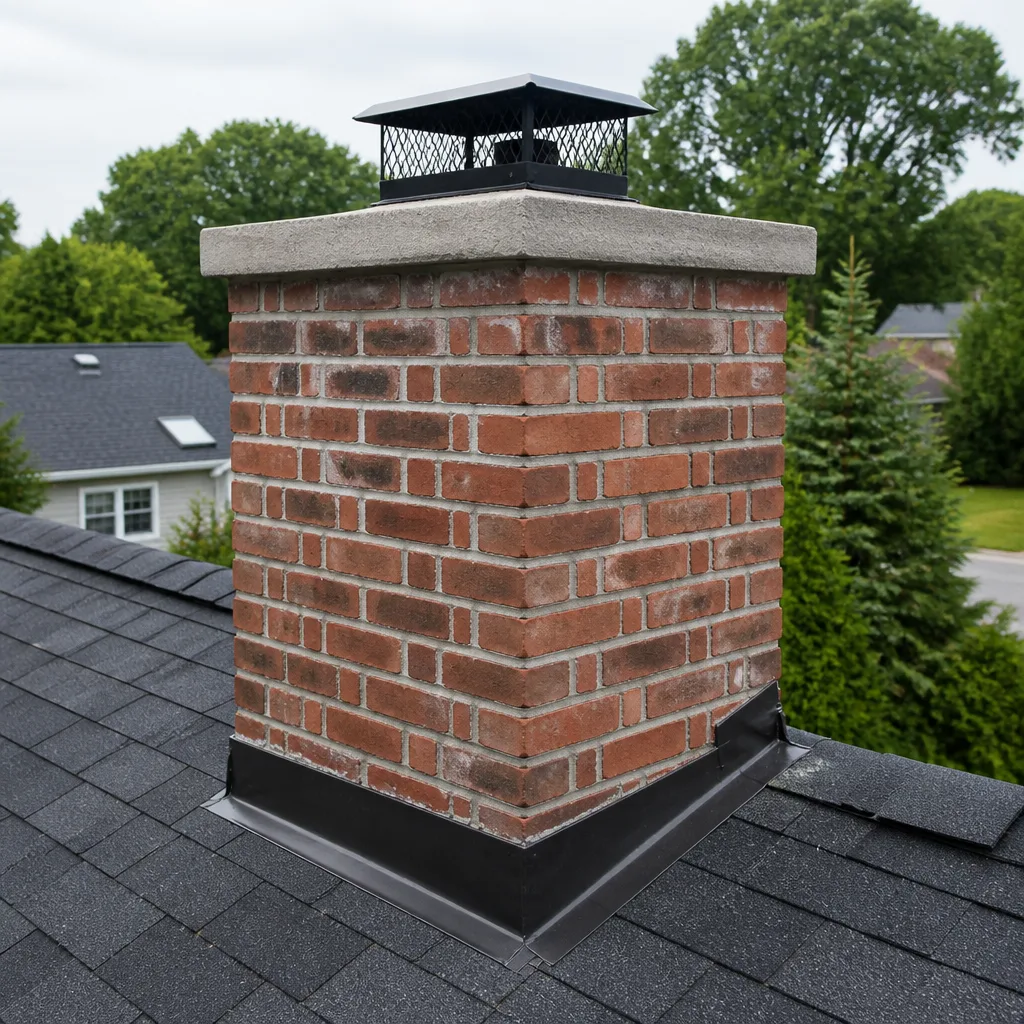 Masonry repair
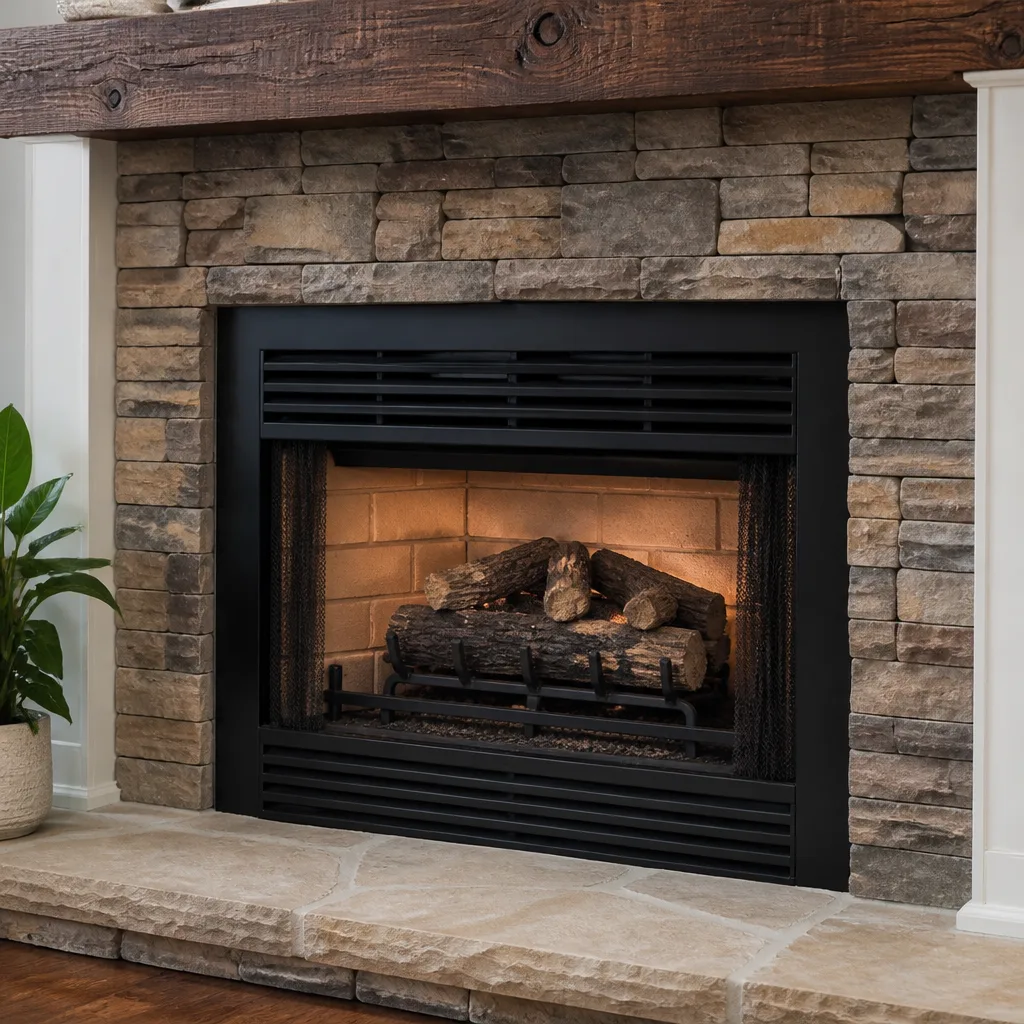 Gas fireplace service
Level 1 sweep and inspection to the NFPA 211 annual standard - flue, crown, cap, and flashing checked and photographed
Chimney sweep logs do not sweep chimneys. They loosen some creosote - which then falls where a brush and vacuum still have to collect it.
Chimney Sweep Troubleshooting in Kansas City: Common Problems and How to Fix Them
If smoke is rolling into your living room, the instinct is to blame the damper. In Kansas City’s older clay-lined homes, the real culprit is more often a cracked flue tile creating a pressure leak two-thirds of the way up the stack – a problem you can’t see from the firebox and can’t fix by opening a damper wider. Most chimney issues homeowners try to diagnose by smell or smoke behavior are actually symptoms of one of five documented failure points. Confuse them and you spend money on the wrong repair. This guide maps specific symptoms to specific causes, so you stop treating glaze buildup like a draft problem and vice versa. It covers how Kansas City’s freeze-thaw cycle attacks mortar joints, why negative house pressure and flue blockage need completely opposite fixes, and which jobs a sweep resolves in one visit versus which require a camera inspection first.
Quick Answer
Chimney problems in Kansas City usually trace to one of five failure points: a cracked flue tile, a blocked or undersized flue, failing mortar joints from freeze-thaw movement, heavy creosote (especially stage-3 glaze), or negative pressure inside the house. Fixing the right one comes down to matching the symptom – smoke rollback, odor, slow draft, staining – to its actual mechanical cause. A professional sweep with a camera inspection confirms which failure point you’re dealing with before anyone quotes repair work.
Styles & brands we work with
- Sweep & inspection
- Caps & crowns
- Flue relining
- Masonry repair
- Gas fireplace service
Table of Contents
- Symptom-to-Cause Matrix: Match the Problem to the Failure Point
- Why Smoke Rolls Back Into the Room
- Negative House Pressure vs. Flue Blockage: Two Different Fixes
- How Kansas City’s Freeze-Thaw Cycle Breaks Down Mortar Joints
- Creosote Stages and Why a DIY Log Can Make Glaze Worse
- Persistent Odor and Visible Staining: What They Actually Mean
- What a Sweep Fixes in One Visit vs. What Needs a Camera Inspection
- Repair Options: Resurfacing, Relining, and the Right Materials
Symptom-to-Cause Matrix: Match the Problem to the Failure Point
Homeowners describe chimney trouble in the language of symptoms: it smokes, it smells, it draws poorly. Symptoms are useful starting points, but they don’t tell you which component failed. The matrix below is how we walk through a diagnosis, and it’s the fastest way to stop guessing. Read down the symptom column, then look at the likely cause and the fix category beside it.
- Smoke rolls back into the room on startup: often a cracked flue tile, an oversized flue relative to the firebox, or negative house pressure. Fix depends on which – camera inspection first, then pressure testing.
- Persistent smoky or sour odor when the fireplace is idle: usually creosote or soot residue combined with a downdraft, or moisture in the flue. Cleaning plus a proper cap addresses most cases.
- Slow draft, fire struggles to catch: frequently a flue blockage (nesting debris, a fallen tile, soot shelf) or a flue that’s too short or too narrow for the appliance.
- White or brown staining on the exterior chimney: water infiltration through failed mortar joints or a missing cap, often worsened by freeze-thaw cycling.
- Rust on the damper or firebox: water coming down the flue. A cap or crown repair usually stops it.
- Crumbling mortar in the attic or at the roofline: joint failure from freeze-thaw movement, which left alone can crack the liner behind it.
Two or three of these often show up together, which is exactly why homeowners misdiagnose them. A draft complaint and an odor complaint can share a single cause: a partially blocked flue that draws badly and traps residue. Our starting point on any Kansas City chimney is the same: confirm the failure point with a camera, then match the fix to the evidence.
Why Smoke Rolls Back Into the Room
Smoke rollback is the symptom Kansas City homeowners notice first, and the one most often blamed on the damper. The damper is rarely the problem. Smoke enters a room when the pressure inside the flue is lower than the pressure in the room, and several distinct failures can cause that.
A cracked flue tile is the most common culprit in older Kansas City homes with clay liners. A hairline crack in a tile two-thirds of the way up the stack lets air leak into the flue, disrupting the pressure column the chimney depends on. The fireplace draws fine until the fire gets hot, then smoke spills. You can’t see this from the firebox, which is why a camera inspection matters.
An oversized flue for the firebox opening is another culprit. A large flue with a small fire can’t stay warm enough to maintain draft, especially on a cold Kansas City morning. The fix is often a correctly sized liner, not a bigger fire.
A flue blockage – a bird nest, a fallen tile, or a heavy soot shelf – narrows the column and causes the same rollback. A sweep usually clears it in a single visit.
- Check that the damper opens fully and isn’t obstructed.
- Crack a nearby window briefly to test whether house pressure is the cause; if smoke stops, it’s a pressure problem, not a blockage.
- Schedule a camera inspection if the rollback returns when the fire is hot – that pattern points to a flue defect.
Negative House Pressure vs. Flue Blockage: Two Different Fixes
These two problems produce nearly identical symptoms and require completely different solutions, which is why they’re the most expensive to confuse. Negative house pressure means the house is drawing air out faster than it can come in, so the chimney competes with the rest of the house for air. Flue blockage means the chimney itself is narrowed or obstructed. One fix lives in the house. The other lives in the flue.
Negative pressure shows up in tight, well-sealed homes, and it’s common in newer construction and after major weatherization work. Symptoms include smoke that rolls out even with a clean flue, backdrafting from a gas appliance, or a fire that burns sluggishly no matter how much kindling you use. Fixes include improving make-up air, adjusting exhaust fans, or in some cases adding a draft-inducing fan or resizing the flue. Cleaning won’t solve it – the flue is already clean.
Flue blockage shows up as a fire that starts fine and then chokes, or a smell that gets worse over time. A camera inspection locates the obstruction. A sweep usually clears it. In our experience across Kansas City, the two problems get confused most in homes that have had airtight upgrades and still have the original clay flue.
Here’s the practical test: if cracking a window next to the fireplace changes the smoke behavior, you’re dealing with pressure. If it doesn’t, look inside the flue. Getting this wrong means paying for a cleaning that doesn’t change anything, or a repair that misses the real problem.
How Kansas City’s Freeze-Thaw Cycle Breaks Down Mortar Joints
Kansas City’s climate swings hard. Warm afternoons soften and expand the masonry, then overnight freezes drive moisture into every microscopic gap. Water expands as it freezes, and that expansion widens the joints a little each cycle. Repeat that over many winters and mortar that looked sound starts to crumble.
The sequence runs in a predictable order:
- Water gets into the masonry through a missing or damaged cap, a failed crown, or a cracked joint.
- Freezing expands the trapped water and opens the joint further.
- The open joint admits more water on the next thaw.
- The loosened joint lets the flue tiles shift and crack.
- The cracked tile becomes a pressure leak, and the fireplace starts to smoke.
This is why a small mortar repair caught early is far cheaper than a relining job. The freeze-thaw cycle is also why Kansas City chimney crowns take a beating: a crown with a hairline crack lets water straight into the top of the stack, and the damage radiates down from there.
What to check without climbing the roof: look at the chimney from the ground for missing mortar, white staining, or a cap that’s tilted or cracked. Look in the firebox for crumbling mortar at the smoke chamber or damper frame. If you see either, it’s worth a professional look before the next winter. Repairing a failed cap or crown early with purpose-built components protects the masonry above it.
Creosote Stages and Why a DIY Log Can Make Glaze Worse
Creosote builds up in three stages, and the stage determines whether a sweep can fix it or whether you’re looking at a chemical treatment or a relining conversation. Stage 1 is a light, sooty, flaky deposit that brushes off easily. Stage 2 is a thicker, crusty layer that a sweep can still remove with the right tools. Stage 3 is glazed, hard, and shiny – a tar-like coating that’s baked onto the flue walls and won’t brush off at all.
Stage 3 is where the DIY creosote log becomes a problem. Those logs are formulated to dry out and loosen light deposits, and they work reasonably well on stage 1. On a stage-3 glaze, they can soften the top layer just enough that it re-hardens into an even denser glaze the next time the fire burns. That makes the deposit harder to remove and, in the wrong conditions, raises the risk of a flue fire. A log is not a substitute for a sweep on heavy glaze.
What actually reduces creosote:
- Burn dry, well-seasoned wood – moisture is the largest contributor to creosote.
- Don’t smolder the fire by choking the air supply; a hot fire burns cleaner.
- Sweep on a schedule matched to how much you burn, not once a decade.
- Have glazed flues evaluated for resurfacing or relining, since brushing alone won’t remove stage 3.
Glaze buildup is a flue-protection problem, not a draft problem, and treating it like a draft problem leaves the hazard in place. If you’ve been burning heavily for a few seasons, a camera inspection will tell you what stage you’re dealing with before anyone recommends a product.
Persistent Odor and Visible Staining: What They Actually Mean
An odor that lingers when the fireplace is cold, or staining on the chimney’s exterior, are two of the most misunderstood symptoms. Neither is a draft problem, and neither will go away with a bigger fire.
Persistent smoky odor is usually trapped creosote or soot residue reacting to humidity and downdraft, or moisture sitting in the flue. In Kansas City’s humid summers, a sooty flue can smell worse than it did in winter. A sweep removes the residue, and a properly fitted cap reduces the downdraft that pushes the smell back into the house. If the odor persists after a cleaning, moisture is the next suspect.
Staining comes in two useful varieties. White or gray staining (sometimes called efflorescence) means water is moving through the masonry and leaving mineral deposits behind – a clear sign of a leak path. Brown or black staining near the top of the chimney usually points to creosote or soot being pushed out through a joint or a gap. Both point to water or residue where it doesn’t belong, and both get worse with freeze-thaw cycling.
The fix for staining is almost never cosmetic. Sealant over active water movement traps moisture and accelerates the damage. The right order is to find the water path (cap, crown, joint, flashing), correct it, and then address the residue. A sweep plus a cap and crown check covers most odor and stain complaints; structural masonry repair covers the rest.
What a Sweep Fixes in One Visit vs. What Needs a Camera Inspection
A routine chimney sweep resolves a specific set of problems, and knowing which ones saves you from paying for a repair you don’t need – or skipping one you do. Here’s how we sort it.
A sweep can usually resolve in a single visit:
- Stage 1 and stage 2 soot and creosote buildup.
- A flue blocked by a bird nest, leaves, or a loose soot shelf.
- Light odor from residue, once the flue is clean.
- A cap that needs replacing with a purpose-built cover.
Needs a camera inspection before any work starts:
- Smoke rollback that returns when the fire is hot.
- Suspected cracked or shifted flue tiles.
- Stage-3 glaze that brushing won’t remove.
- Any recommendation to resurface or reline – you should see the camera footage yourself first.
- Staining or mortar failure that suggests water is reaching the liner.
The camera is the difference between a guess and a diagnosis. On a Kansas City home with an older clay liner, the camera shows tile joints, offsets, gaps, and glaze that a visual check from the firebox can’t reveal. We won’t recommend liner work without footage you can look at and understand. If the work can safely wait, we’ll say so.
Repair Options: Resurfacing, Relining, and the Right Materials
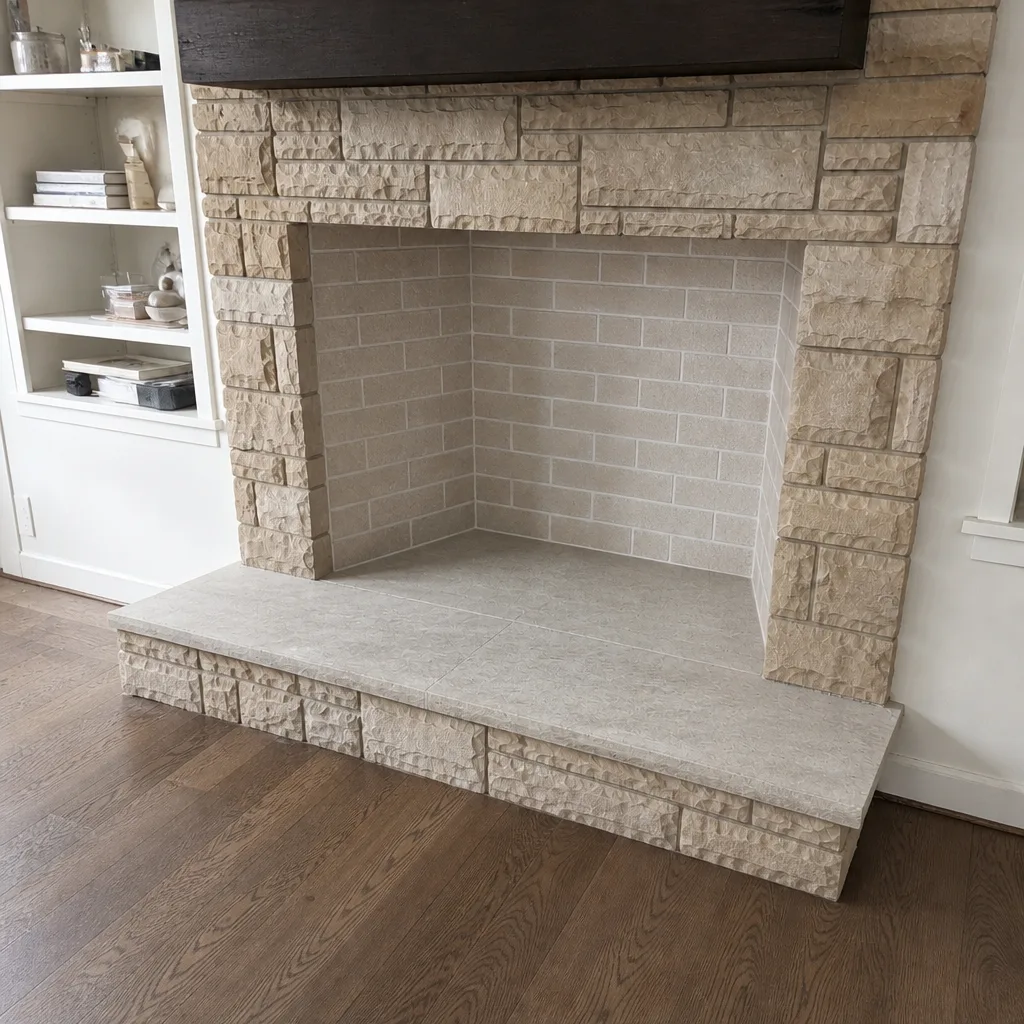
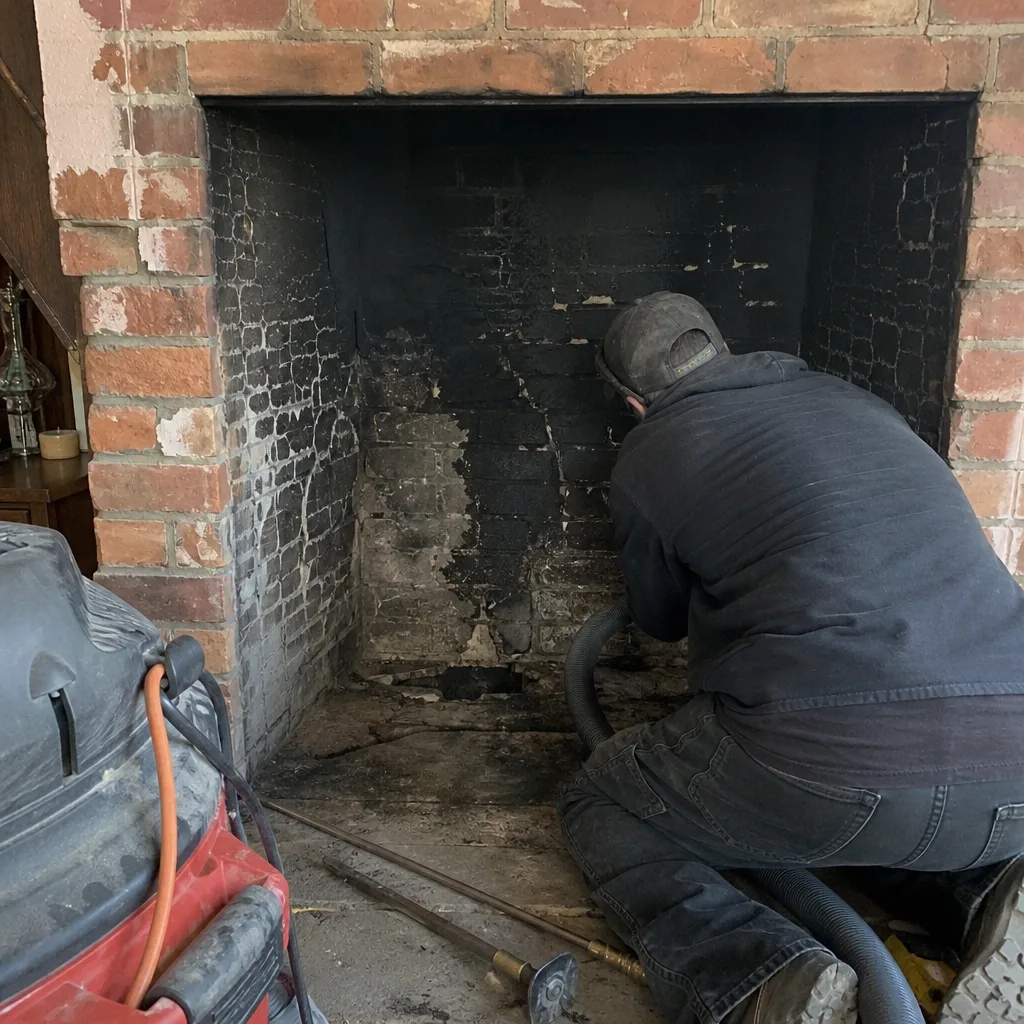
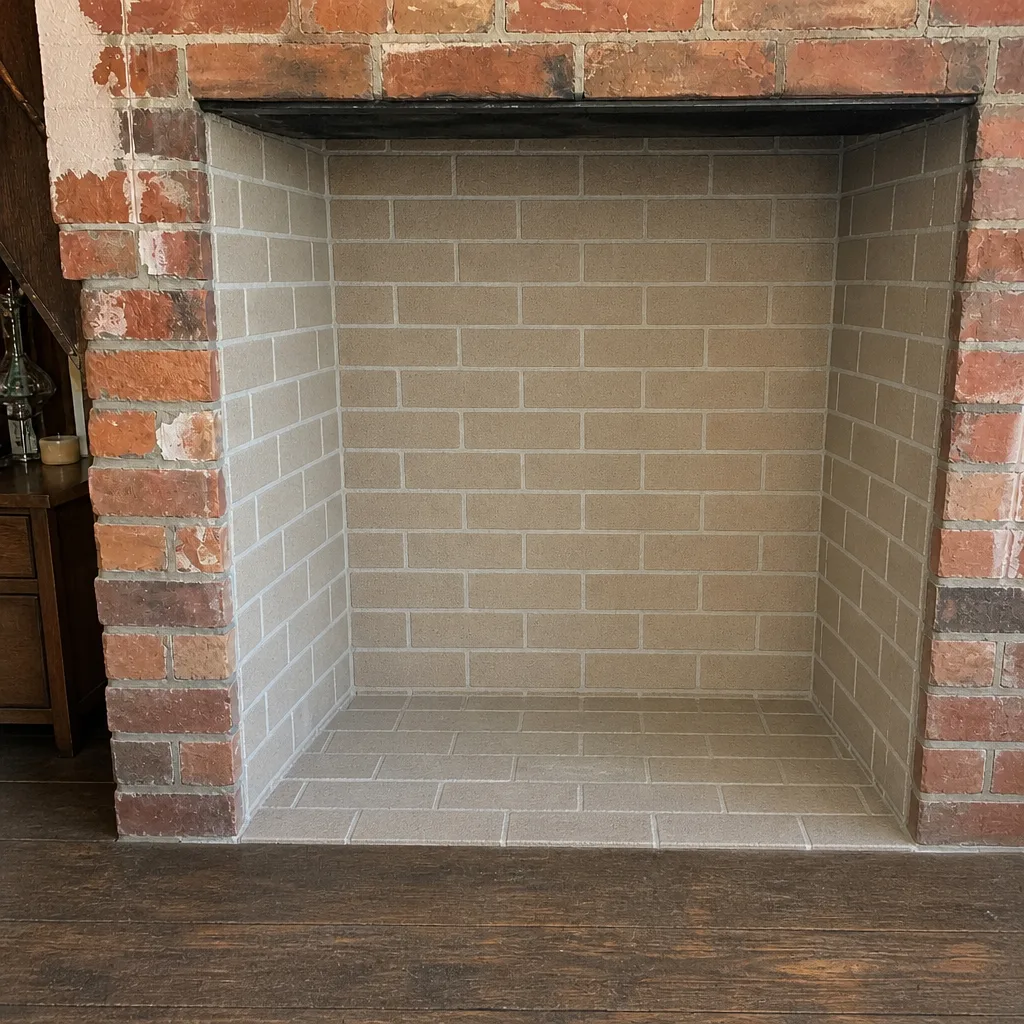
Once the camera confirms a structural problem, the repair falls into one of two categories: restore the existing liner, or replace it. Resurfacing with HeatShield is a tested system for repairing a damaged liner in place, and it’s often the right call when the tile is cracked or the joints have failed but the structure is otherwise sound. It’s a proven, cost-effective path that most sweep-only companies simply can’t offer because they don’t do repair work.
When the liner is beyond resurfacing – badly deteriorated, improperly sized, or serving a new appliance – a stainless-steel reline is the structural fix. DuraFlex liner systems allow us to reline flues for wood, gas, and oil appliances, sized to the appliance rather than to whatever fits. This is where a full-service provider separates from a generalist: the parts are purpose-built, and the installation meets the appliance’s venting requirements. Olympia Chimney and Copperfield supply relationships give us access to a genuine range of professional components, so the right product goes into the job instead of generic hardware-store substitutes.
Caps, crowns, and venting components come from Famco and Gelco, fitted to the flue rather than adapted to it. The point isn’t the brand names – it’s that every material in your chimney is chosen for the job. From sweep to structural repair, the same provider handles it, which means no handoff between a cleaning company and a mason who never saw the camera footage.
Common Mistakes to Avoid
- Blaming the damper for every smoke problem. A damper that opens fully rarely causes rollback. The cause is usually a flue pressure leak or negative house pressure, and neither gets fixed at the damper.
- Using a creosote log on stage-3 glaze. It can soften the glaze just enough to re-harden denser on the next fire, making removal harder. Glaze needs professional evaluation, not a log.
- Skipping the camera before agreeing to a liner. Kansas City homes with older clay liners often have hidden tile damage. If the company can’t show you footage, ask why before you approve thousands in work.
- Sealing over staining without finding the water path. Sealant over active moisture traps water inside the masonry and speeds up freeze-thaw damage.
- Waiting after a freeze-thaw winter to check the chimney. Mortar failure that starts at the crown works downward. A spring check catches it while it’s still a repair rather than a reline.
- Treating a dryer vent as a separate chore. Both chimney and dryer vent fires start the same way – lint or creosote left to accumulate. Address both in one relationship instead of coordinating two contractors.
- Assuming a clean flue means a healthy flue. A flue can look clean and still have a cracked tile that only shows on camera when the fire’s heat pushes smoke against the leak.
See the difference
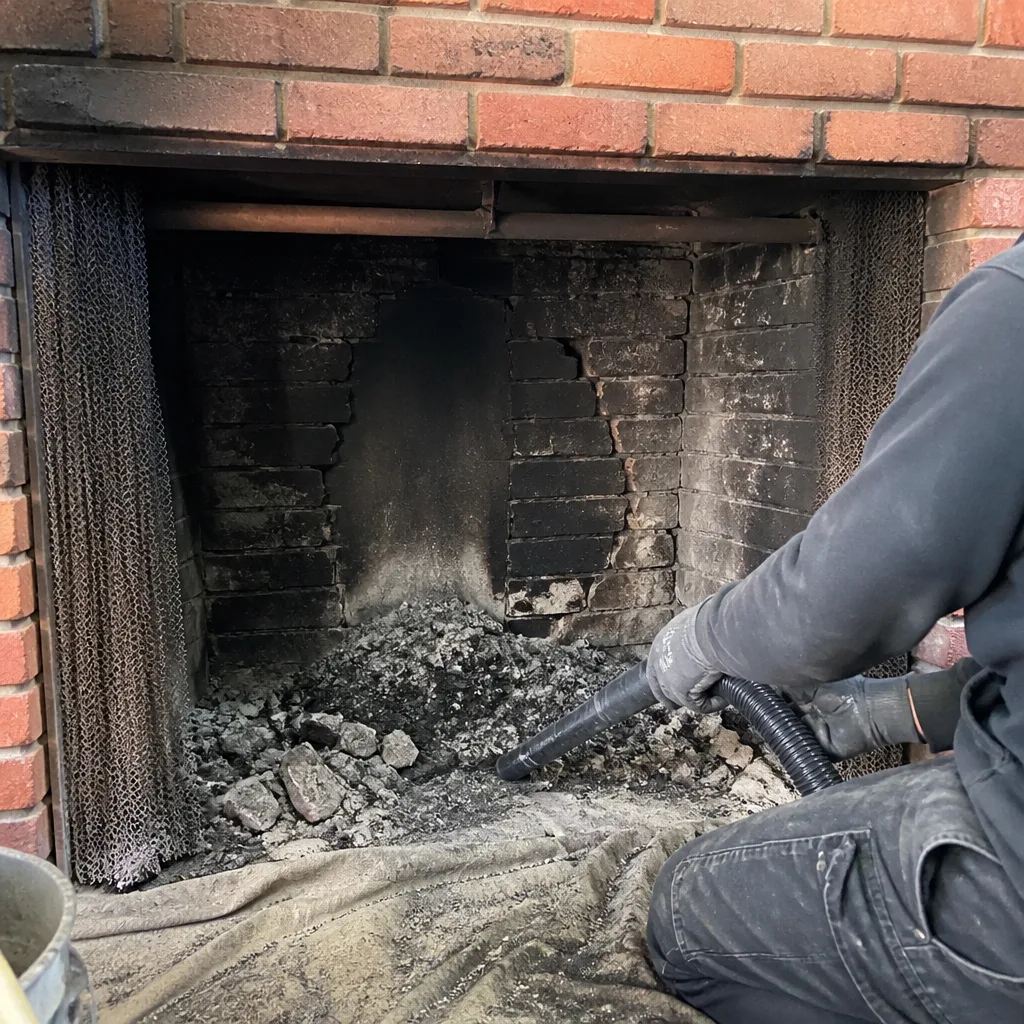 Before
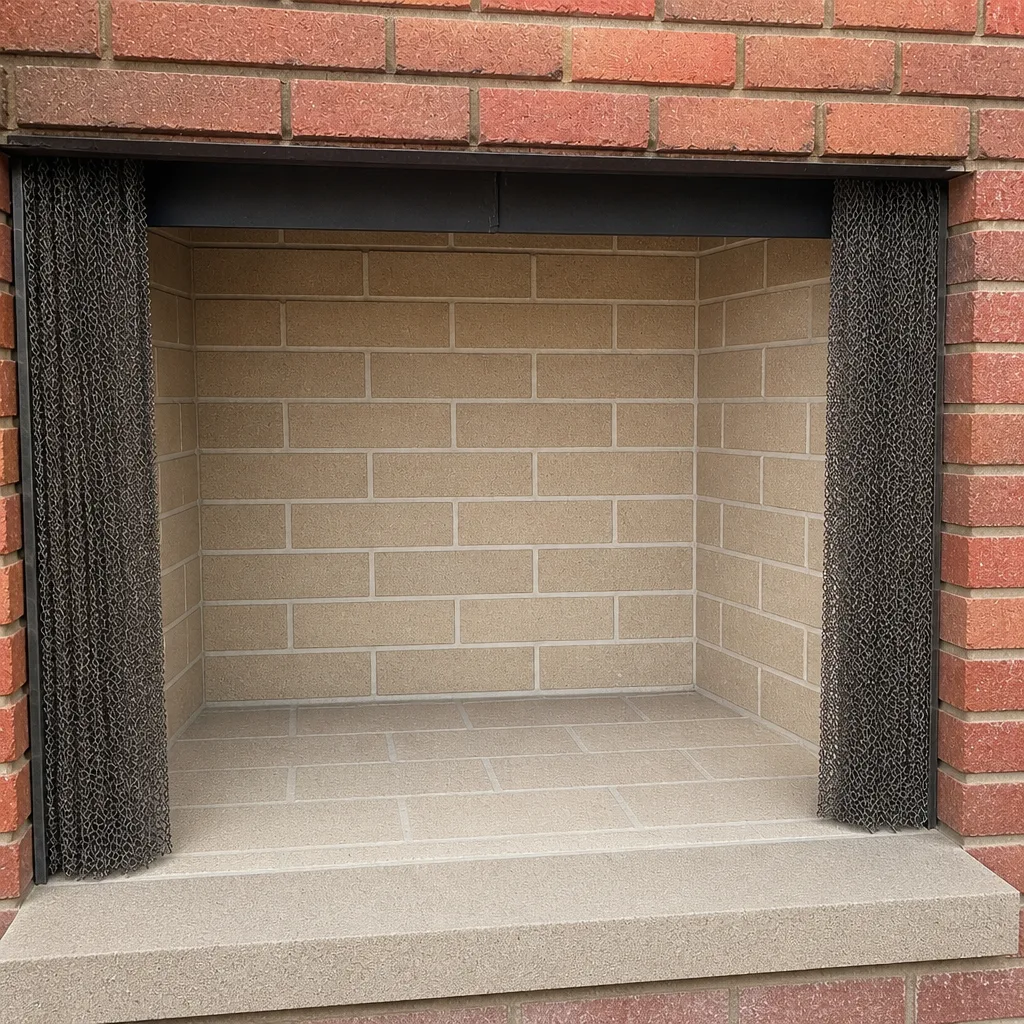 After
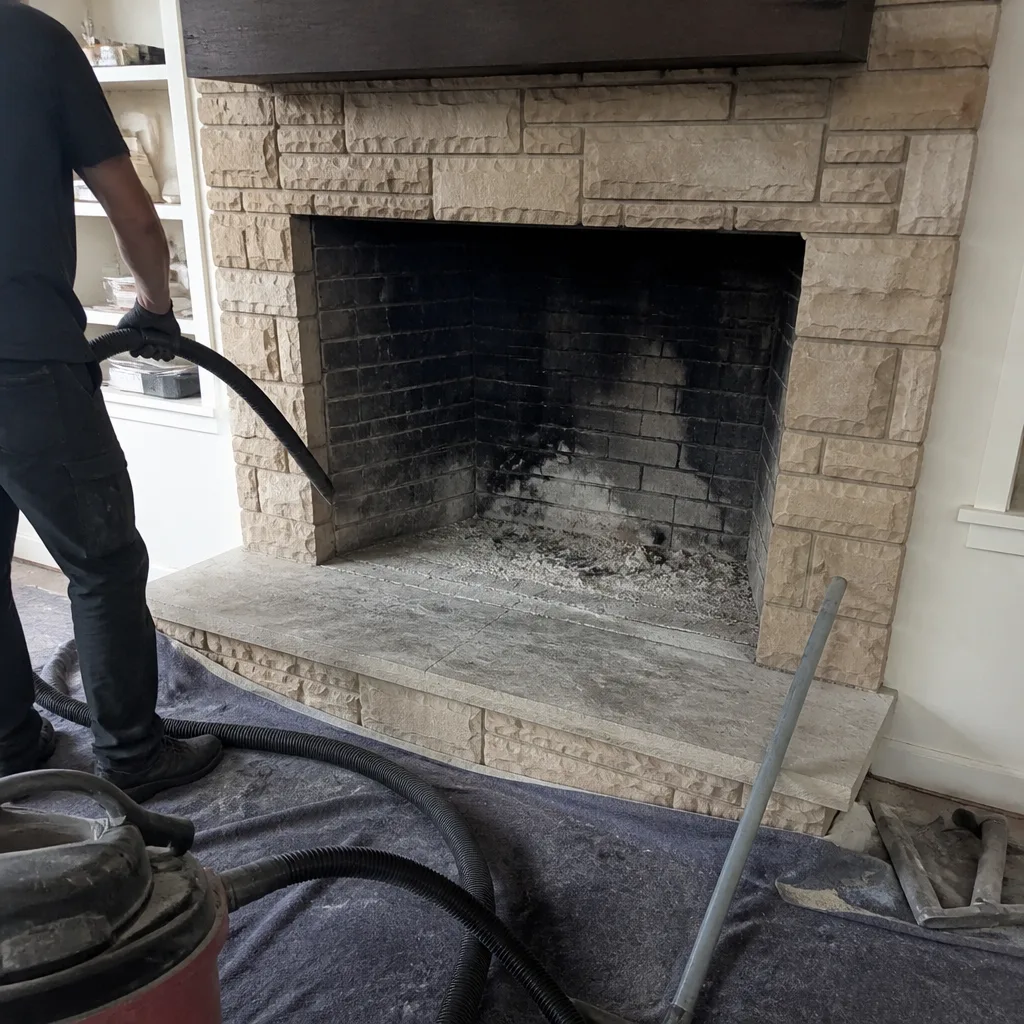 Before
 After
 Before
 After
When to Call a Professional
Call a professional if smoke enters the room when the fire is hot, if you smell a strong smoky odor with the fireplace cold, if you see white or brown staining on the chimney’s exterior, or if you haven’t had the flue inspected and you burn wood regularly. Call immediately if you suspect a cracked liner or a heavy glaze – those are the conditions that raise flue fire risk, and they don’t resolve on their own. Kansas City Chimney Cleaning offers free estimates in Kansas City – call (866) 480-2930. Fast dispatch from 7am to 7pm, Sunday through Friday, and we’re closed on Saturday. We answer 24/7.
Frequently Asked Questions
The most common are cracked flue tiles, failing mortar joints from the freeze-thaw cycle, creosote buildup (including stage-3 glaze), flue blockages, and negative house pressure. Kansas City’s climate makes mortar-joint failure especially common because the winter temperature swings work moisture into the masonry and open the joints over time. A camera inspection identifies which of these is causing your specific symptoms.
A clean flue that still smokes usually means a pressure problem, not a blockage. Either the flue has a cracked tile letting air into the stack, or the house itself is under negative pressure and competing with the chimney for air. Cracking a window next to the fireplace is a quick test: if the smoke behavior changes, it’s pressure. Call (866) 480-2930 for a free estimate on the right fix.
Not on heavy glaze. A creosote log can help loosen light stage-1 deposits, but on stage-3 glazed creosote it can soften the surface just enough to re-harden into a denser layer on the next fire. Stage-3 glaze needs professional evaluation, often resurfacing or relining. Don’t rely on a log instead of a sweep if you’ve been burning heavily.
Once a year is the standard, and more often if you burn wood heavily or have had mortar issues. In Kansas City, a spring inspection after the freeze-thaw season catches joint damage early. If you skip inspections, small mortar failures can become cracked tiles, and cracked tiles become a relining job. Call (866) 480-2930 for a free estimate.
Often, yes. HeatShield resurfacing is a tested system that repairs a damaged liner in place when the tile is cracked but the structure is sound. When the liner is beyond resurfacing, a DuraFlex stainless-steel reline is the structural fix. The camera footage decides which path is right, and we show you the footage before recommending work.
They don’t share a flue, but they share the same fire risk: lint and creosote accumulate in the same way, and both are leading causes of residential fires. Our dryer vent cleaning service covers the second major fire source in the same relationship. One provider, both systems, no coordinating two contractors. Call (866) 480-2930 for a free estimate.
The Bottom Line
Most chimney problems in Kansas City come down to five failure points, and the trick is matching your symptom to the right one. Smoke rollback, odor, slow draft, and staining each have a specific mechanical cause: cracked flue tile, flue blockage, freeze-thaw mortar failure, creosote stage, or negative house pressure. Get that match right and you avoid paying for the wrong fix. The camera inspection is what tells you the difference, and it’s what we show you before recommending any Kansas City chimney cleaning work or repair. Whether you’re in Kansas City proper or nearby, we handle everything from sweep to structural repair with pro-grade materials – DuraFlex, HeatShield, and purpose-built components – so the right product goes into every job. Call (866) 480-2930. We answer 24/7. Fast dispatch from 7am to 7pm, Sunday through Friday.
Written by the team at Kansas City Chimney Cleaning. Our technicians have up to 12 years of experience.