
Last updated November 15, 2026
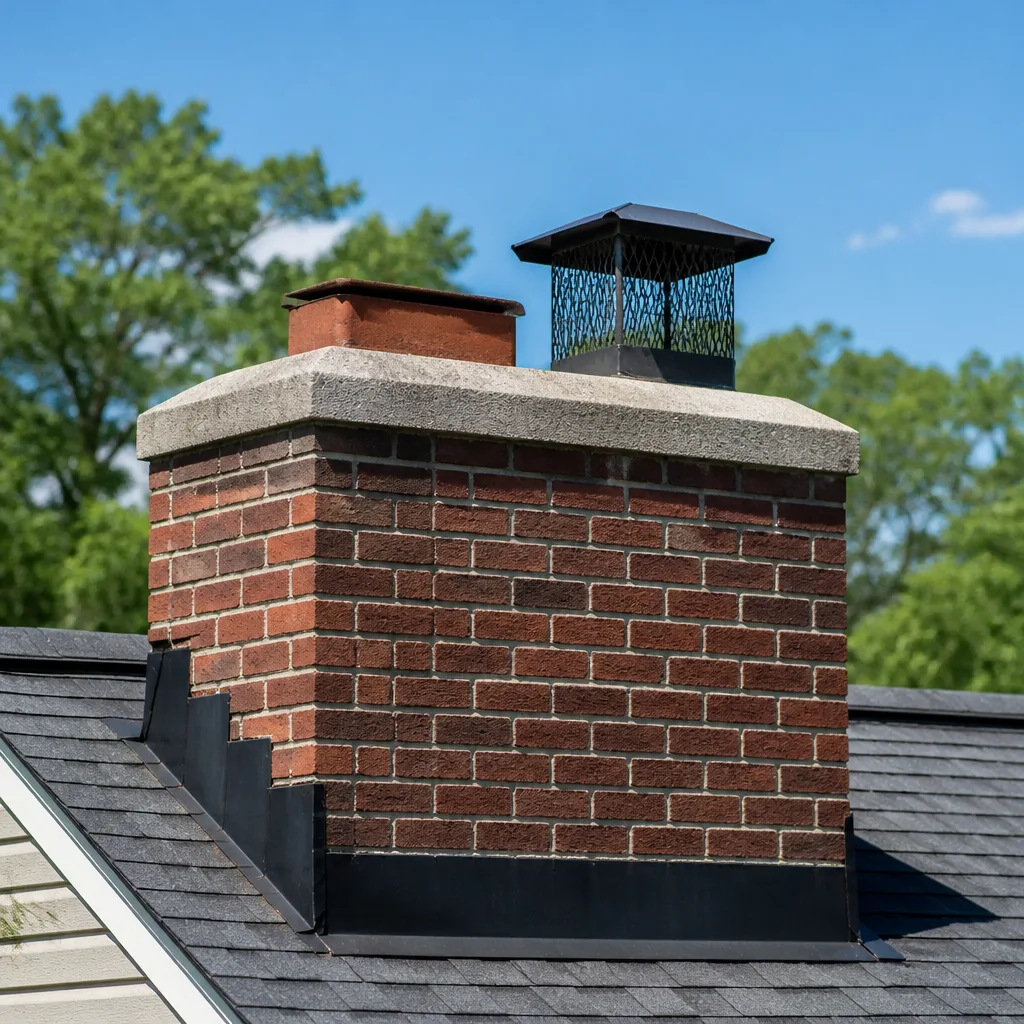 Sweep & inspection
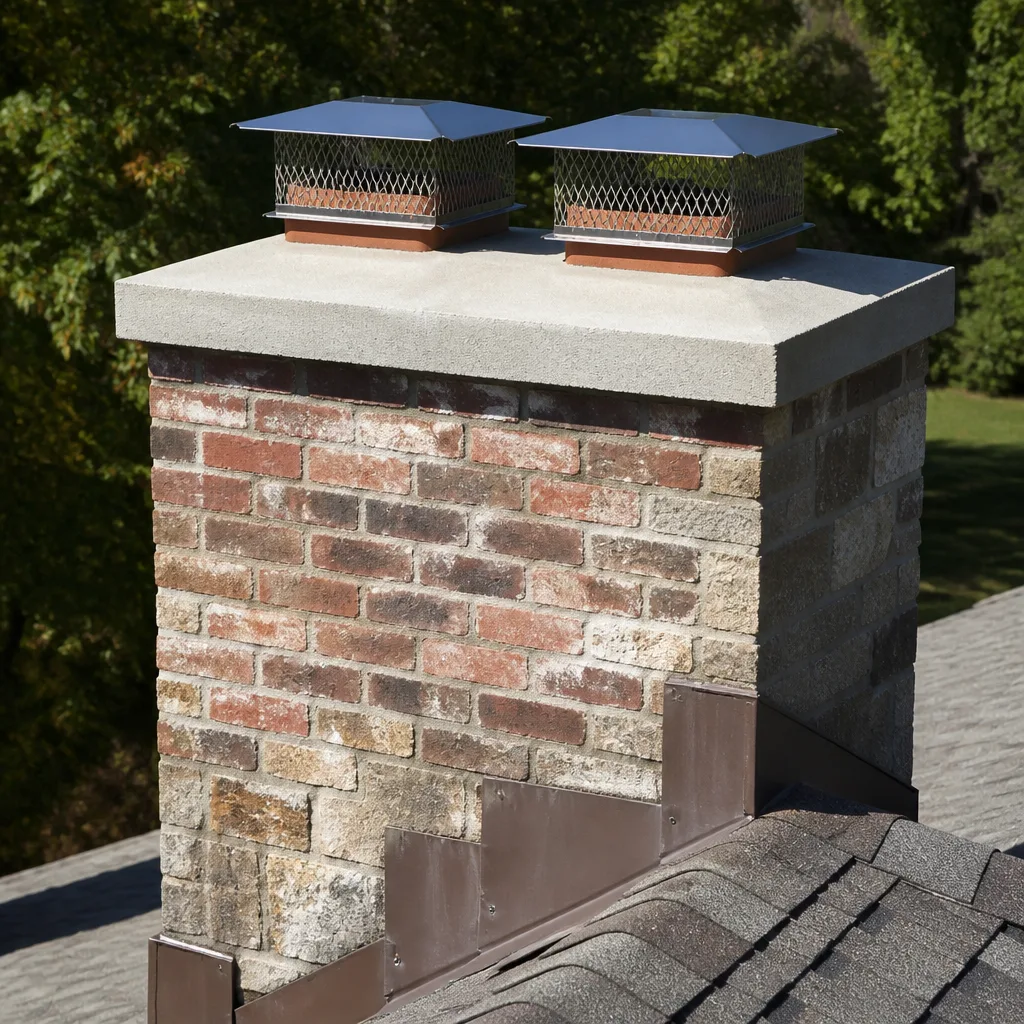 Caps & crowns
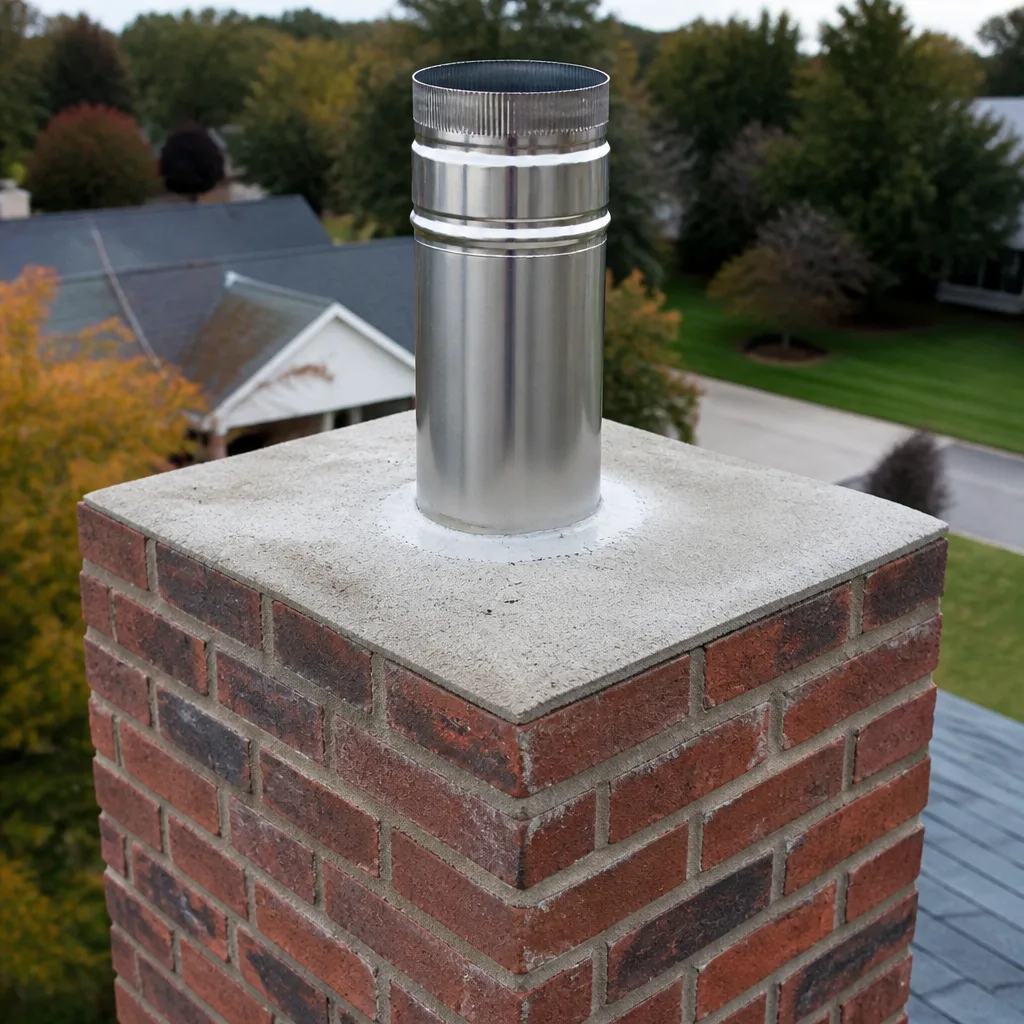 Flue relining
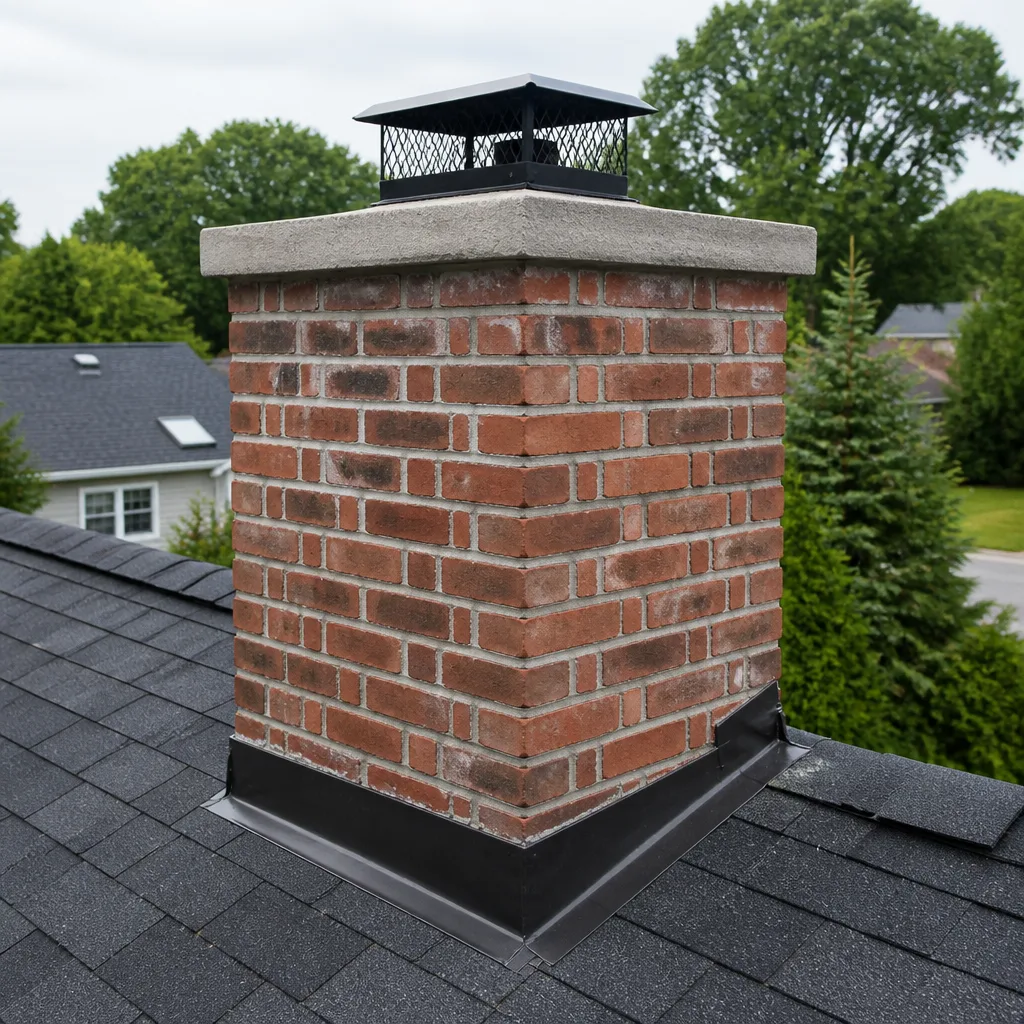 Masonry repair
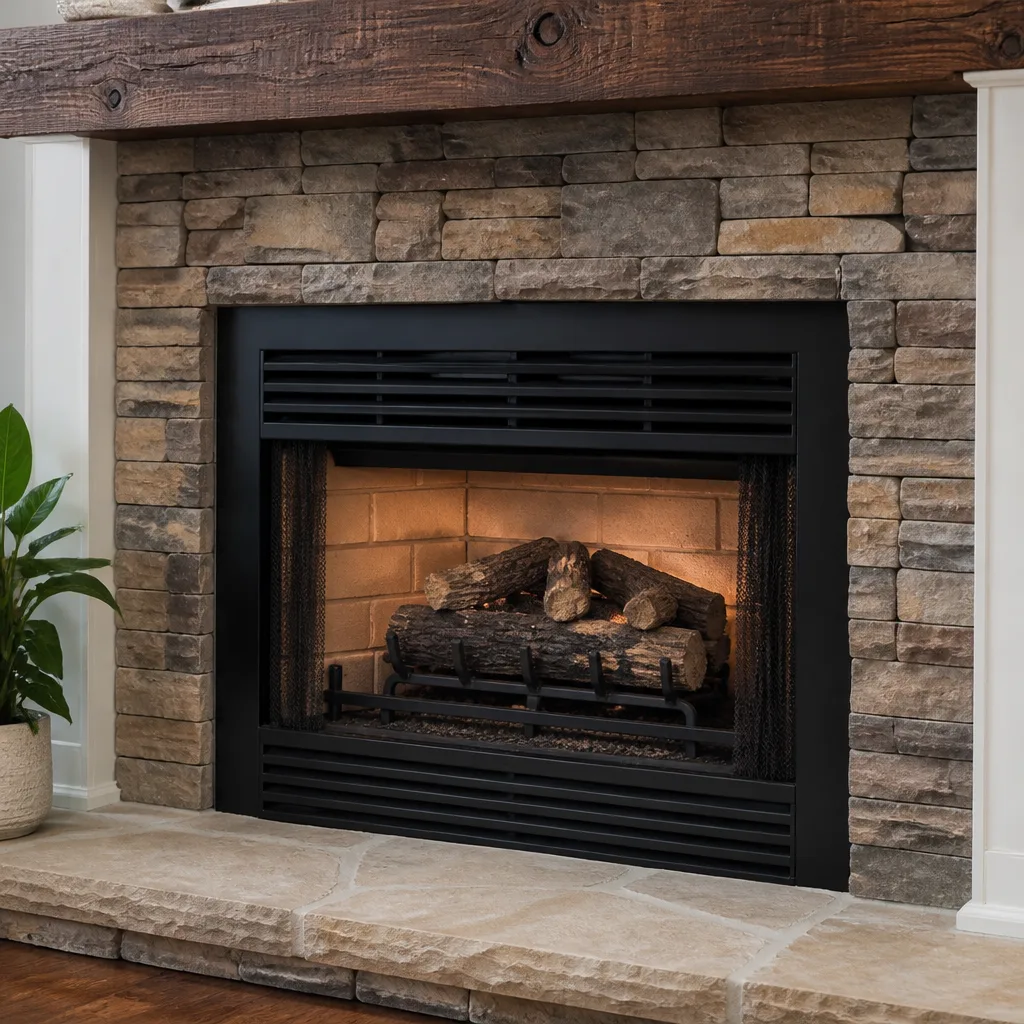 Gas fireplace service
Level 1 sweep and inspection to the NFPA 211 annual standard - flue, crown, cap, and flashing checked and photographed
Chimney sweep logs do not sweep chimneys. They loosen some creosote - which then falls where a brush and vacuum still have to collect it.
Choosing the Right Chimney Cleaning Brand: A Buyer’s Guide for Kansas City
When a chimney contractor says they’re using “a liner system,” that phrase covers products ranging from code-compliant stainless rated for wood-burning to flexible aluminum suitable only for gas – and they all look the same in a quote. Most homeowners in Kansas City never learn which one got installed until a problem surfaces years later. The materials inside your chimney are hidden by design, which makes the brand names on a specification sheet matter more than almost anything else in the estimate. This guide breaks down what those names actually mean, what specs you should demand to see, and how a contractor’s material sourcing tells you more about their workmanship than their pricing ever will.
Quick Answer
The right chimney brand is the one matched to your fuel type, your appliance’s temperature output, and a certified installation – not simply the one with a familiar name on the box. For most Kansas City homeowners burning wood, that means a stainless steel liner rated for the job (like DuraFlex), with a tested resurfacing system such as HeatShield available if the flue can be restored instead of replaced. Ask your contractor to show the fuel-type rating, temperature rating, and gauge on every product before work begins, and make sure the installer is certified for that system.
Styles & brands we work with
- Sweep & inspection
- Caps & crowns
- Flue relining
- Masonry repair
- Gas fireplace service
Table of Contents
- What Liner Specs Actually Matter
- Why Fuel Type Changes Everything
- Pro-Grade Repair Systems vs. Store Brands
- How Material Sourcing Reveals Competency
- In-House Materials vs. Subcontracted Repair
- Questions to Ask About Any Product
- The Kansas City Market Reality
- The Brand Stack We Trust
What Liner Specs Actually Matter
Three numbers on a liner spec sheet determine whether the product is right for your chimney: fuel-type rating, temperature rating, and gauge. Everything else – marketing language, slick brochures, “premium” labels – is secondary to those three. A contractor who can’t produce them on request either doesn’t know their own product or is hoping you won’t ask.
Fuel-type rating tells you what the liner is certified to vent. A stainless system rated for wood is not automatically rated for oil or gas, and flexible aluminum is generally suitable only for certain gas appliances. Getting this wrong is not a minor code issue; it’s a safety issue.
Temperature rating reflects how hot the liner can safely run. Wood-burning fireplaces and wood stoves can produce flue gases far hotter than a gas insert, so the rating has to match the appliance. A liner that overheats can warp, crack, or lose its seal, which is exactly the failure a liner is supposed to prevent.
Gauge is the thickness of the metal. Thinner walls cost less and last shorter. A professional-grade system like DuraFlex will list its gauge on the spec sheet, and you should expect to see it on the estimate too.
Ask your contractor to hand you the spec sheet for any liner system they propose. On a reputable quote, those three numbers should be printed – not recited from memory. If they aren’t, you haven’t been quoted a system. You’ve been quoted a price.
Why Fuel Type Changes Everything
Many Kansas City homes rely on wood-burning fireplaces, but plenty of others vent gas inserts, gas furnaces, or oil-fired appliances. Each of these demands a different liner, and the difference is not cosmetic. A liner rated for a gas appliance is not the correct product for a wood-burning chimney, and vice versa.
Here’s how fuel type shapes the decision:
- Wood: Needs a stainless liner rated for high temperatures, sized to the flue of the appliance. The wrong size or gauge can create draft issues and creosote buildup.
- Gas: Can often use a lighter, more flexible product, but it must still be rated for the appliance’s exhaust chemistry and temperature.
- Oil: Requires a liner rated for oil exhaust, which is more corrosive than either wood or natural gas.
In a market where older homes still have original masonry chimneys and newer builds run high-efficiency gas appliances, Kansas City homeowners can’t assume the last liner their chimney received is still the right one. If you don’t know what your current liner is rated for, that’s the first question to settle before any repair work proceeds.
A contractor who asks about your fuel type before quoting a repair is doing their job. One who quotes the same liner for every house on the block is not.
Pro-Grade Repair Systems vs. Store Brands
There’s a wide gap between a tested repair system and the improvised approach you’ll sometimes see from generalist handymen. The difference shows up years later, in how the repair holds up against heat cycling, moisture, and creosote.
HeatShield is a resurfacing system used to restore damaged clay flue tiles and rebuild the liner’s interior surface from the inside out. Rather than tearing out and replacing the entire flue when damage is confined to the tile joints, a certified installer can apply a tested restoration product that re-establishes a smooth, sealed surface. It’s an industry-recognized solution, and it’s one we trust because it’s been tested for the job it claims to do.
Store-brand sealants and patching materials are built for cost, not for the temperature swings and chemical exposure inside a chimney. They may look fine on day one. The question is what’s happening by year five.
The same principle applies to smaller components. A chimney cap or top-sealing damper from Famco or Copperfield is purpose-made for the job. The hardware-store substitute may fit the flue opening, but its material, gauge, and weather sealing are not tested to the same standard. Those are the pieces you’ll look at for the next fifteen years; they’re worth getting right the first time.
How Material Sourcing Reveals Competency
Contractors who buy cheap tend to install cheap. That’s not a criticism of any specific outfit – it’s the reality of how supply chains shape work. A company that sources from professional suppliers like Olympia Chimney, Famco, or Copperfield has made an active choice to carry tested products. A company that picks up whatever fits at the hardware store on the way to the job has made a different choice.
You can spot the difference in a few ways:
- They can name the brand on the estimate. A contractor who bought a real product knows its name. A contractor who picked up a generic component often can’t.
- They can produce a spec sheet. Professional suppliers publish them. Hardware-store parts don’t always have one to provide.
- They have supplier relationships. Companies carrying Olympia Chimney or Copperfield inventory don’t just have access to a wider selection of parts – they’ve cleared the account requirements and training those suppliers often expect.
- They can tell you why. A knowledgeable installer can explain why a specific DuraFlex system fits a specific appliance. Someone who bought the cheapest option can’t explain the choice because there wasn’t one.
When we quote a repair, we specify the brand and the product for a reason: it’s the right product for the job. That phrase carries real weight. It means the fuel type, temperature rating, gauge, and installation method all line up for the appliance in your Kansas City home – not that the contractor guessed.
In-House Materials vs. Subcontracted Repair
A chimney company that stocks repair materials is telling you something important: they intend to be accountable for the repair. A company that subcontracts the repair work to someone else is telling you something different. In practice, the two models produce very different experiences when something goes wrong.
Here’s the practical difference:
- Direct provider: One point of accountability. The company that performed your chimney sweep also performed the liner work, and if there’s an issue, you know who to call.
- Subcontractor model: Two or three companies in the chain. If your liner fails, the sweep company points to the repair sub, and the repair sub points to the material supplier. The homeowner is stuck in the middle.
- Material availability: A company that carries inventory can often complete a repair without waiting on delivery. One that has to order from a third party may leave your chimney in pieces longer than necessary.
This matters in Kansas City, where cold snaps and long heating seasons mean the chimney is often in use when weather is least forgiving. Having the correct repair material on hand, or access to a supplier with reliable stock, shortens the window when your home is running without a working chimney.
Ask directly: who performs the repair, and who warrants the work? If the answer involves more than one company, that’s a fair question to keep asking until the chain of responsibility is clear.
Questions to Ask About Any Product
You don’t need to become a materials expert to buy well. You need to know which questions separate a confident, competent contractor from one who is hoping you won’t push back. These seven are the ones we use ourselves when evaluating a product, and the ones we’d want asked of us.
- What fuel type is this product rated for? Expect a direct answer: wood, gas, or oil. Any hesitation is your signal to keep asking.
- What’s the temperature rating? It should be printed on the spec sheet and matched to your appliance.
- What’s the gauge or thickness? A professional system lists it. Hardware-store substitutes often don’t.
- Is the installer certified for this specific product? Several liner systems require manufacturer-specific training. Ask what training the installer has completed.
- What’s the warranty, and who honors it? Product warranties vary; the key is who stands behind the installation on top of the product.
- What’s the failure mode if this product isn’t right for my appliance? A knowledgeable contractor will describe what can go wrong – warping, cracking, seal loss – without drama.
- Can I see the spec sheet before I sign? A confident “yes” tells you everything you need to know about how this contractor sources their materials.
Written estimates should list the brand and product name on every line item. If you’re comparing quotes and one has specific materials and the other just lists “liner replacement,” you’re not comparing prices. You’re comparing two entirely different jobs.
The Kansas City Market Reality
Kansas City homeowners face a chimney market with real variety in quality. Some companies run full-service operations with professional-grade materials, real repair capabilities, and trained installers. Others are sweep-only outfits that refer everything else out. Others still are generalist handymen who treat a chimney like any other home repair, which it isn’t.
The Kansas City climate adds a layer. Long heating seasons mean the chimney runs a lot of hours each winter, which accelerates creosote accumulation. Spring and fall swings between cool nights and warm days can produce condensation inside the flue, especially in older masonry chimneys. Summer humidity adds another stress on clay tile joints, which are already more vulnerable than most homeowners realize.
That combination means Kansas City chimneys tend to accumulate wear faster than those in more temperate climates – not dramatically, but enough that the quality of the materials installed matters over a realistic 15-to-20-year horizon. A liner that would be adequate in a milder climate can fail earlier here.
If you’re scheduling a sweep, choose a provider that can also handle chimney sweep work and structural repair. It removes the hand-off problem when the inspection turns up an issue. And if you’re evaluating your whole-home fire risk, our dryer vent cleaning page covers the second leading cause, which many homeowners overlook entirely.
The Brand Stack We Trust
We don’t source products by shopping on price. We source them so the right product is available for the job. That’s why the brands we specify on our estimates read as a stack rather than a single name – each one is there because it’s the right fit for a specific type of work.
- DuraFlex handles professional stainless-steel relining for wood, gas, and oil appliances. It’s the brand we reach for when the flue needs a real structural fix, not a patch.
- HeatShield handles resurfacing when the flue’s interior is damaged but not beyond restoration. It saves homeowners from full liner replacement in many cases.
- Famco and Copperfield supply the caps, covers, dampers, and venting components that finish a job properly instead of with hardware-store substitutes.
- Olympia Chimney provides professional-grade liner and venting products that round out the stack for jobs where the specific appliance or flue configuration calls for something else.
- Gelco supplies components we use for specific applications where its products are the right fit.
What that stack gives Kansas City homeowners is simple: whichever repair your chimney needs, we have access to the professional-grade product to do it correctly, and we’re not improvising with materials that were meant for something else. When you hire us, the materials in your chimney are the materials we’d put in our own.
For a full look at the services behind these brands, see our main Kansas City chimney cleaning page.
Common Mistakes to Avoid
- Choosing on price alone. A quote that lists “liner replacement” without a brand name is not a comparable quote to one that specifies DuraFlex with a gauge and temperature rating. The cheapest line item is often the most expensive outcome.
- Assuming stainless means stainless quality. Two stainless liners can differ dramatically in gauge and rating. Ask for the spec sheet before assuming you’re buying a professional-grade product.
- Skipping the fuel-type question. A liner rated for gas is not the correct product for a wood-burning fireplace. If your contractor never asked what you burn, you have a question to raise before the job begins.
- Hiring a sweep-only company for a repair. Sweep-only outfits often refer repair work out, and the accountability chain gets murky. Look for one provider from sweep to structural repair.
- Accepting generic hardware-store components. A chimney cap from the local hardware store may fit the opening, but its material and construction weren’t tested for a chimney. Famco and Copperfield products are made for the job.
- Ignoring the dryer vent. Chimney and dryer vent fires are two separate causes, and many Kansas City homeowners address only one. The dryer vent needs the same professional attention, on its own schedule.
- Not asking who performs the work. If the company doing your sweep is subbing out the repair, you need to know who’s actually in your home and who warrants the result.
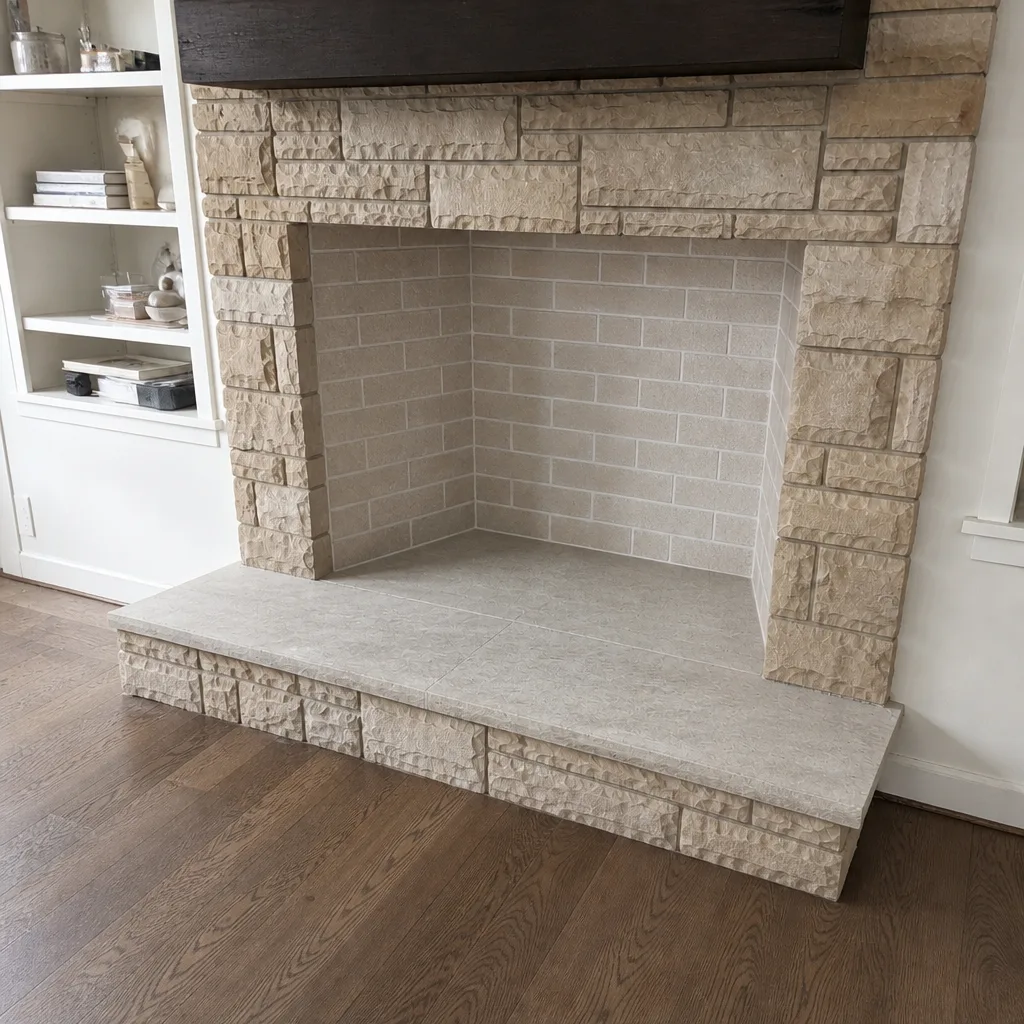
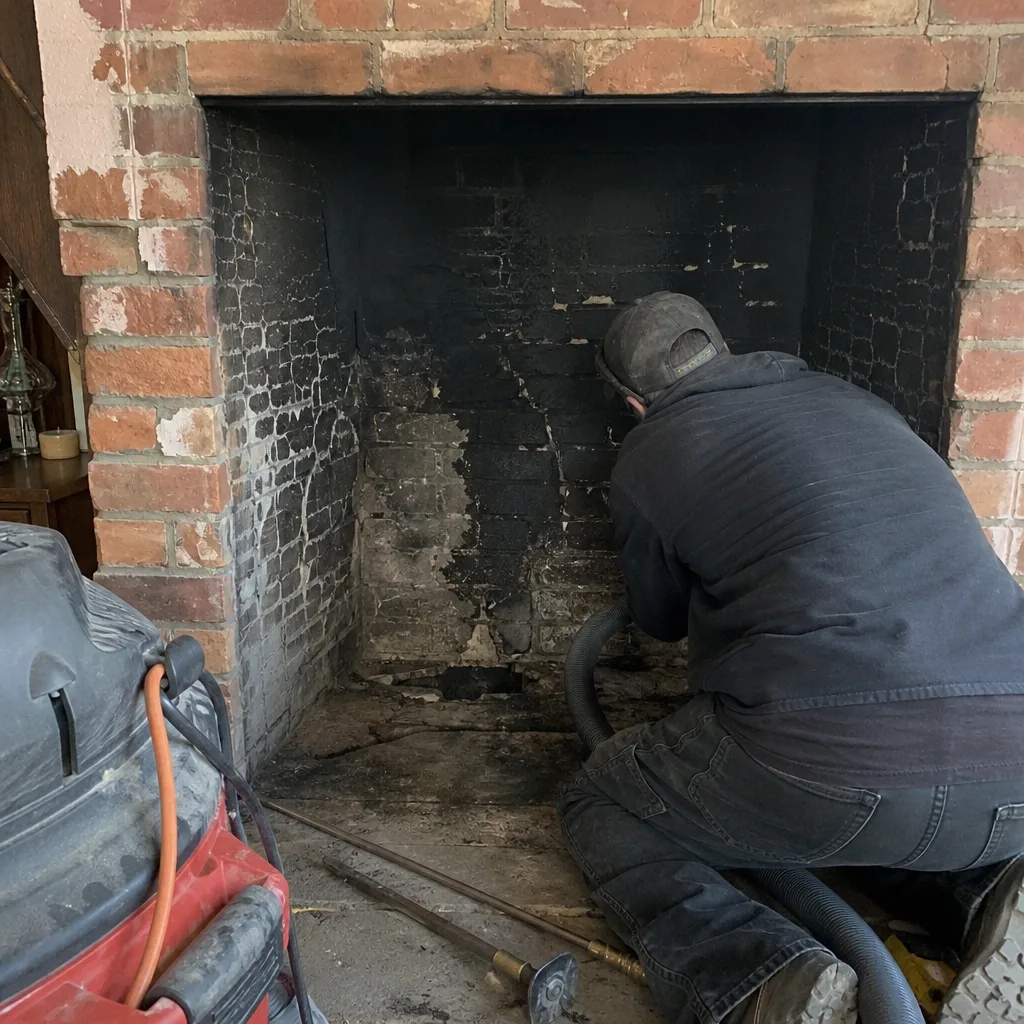
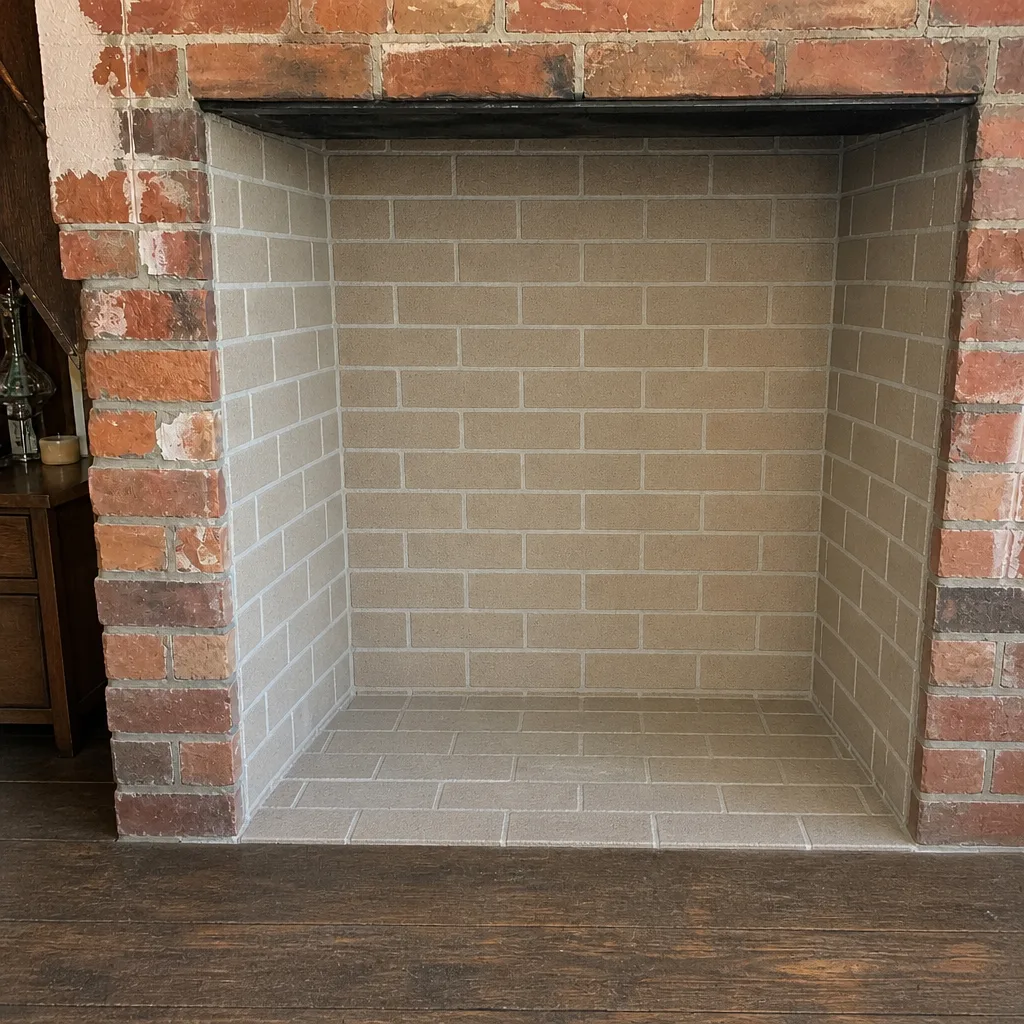
See the difference
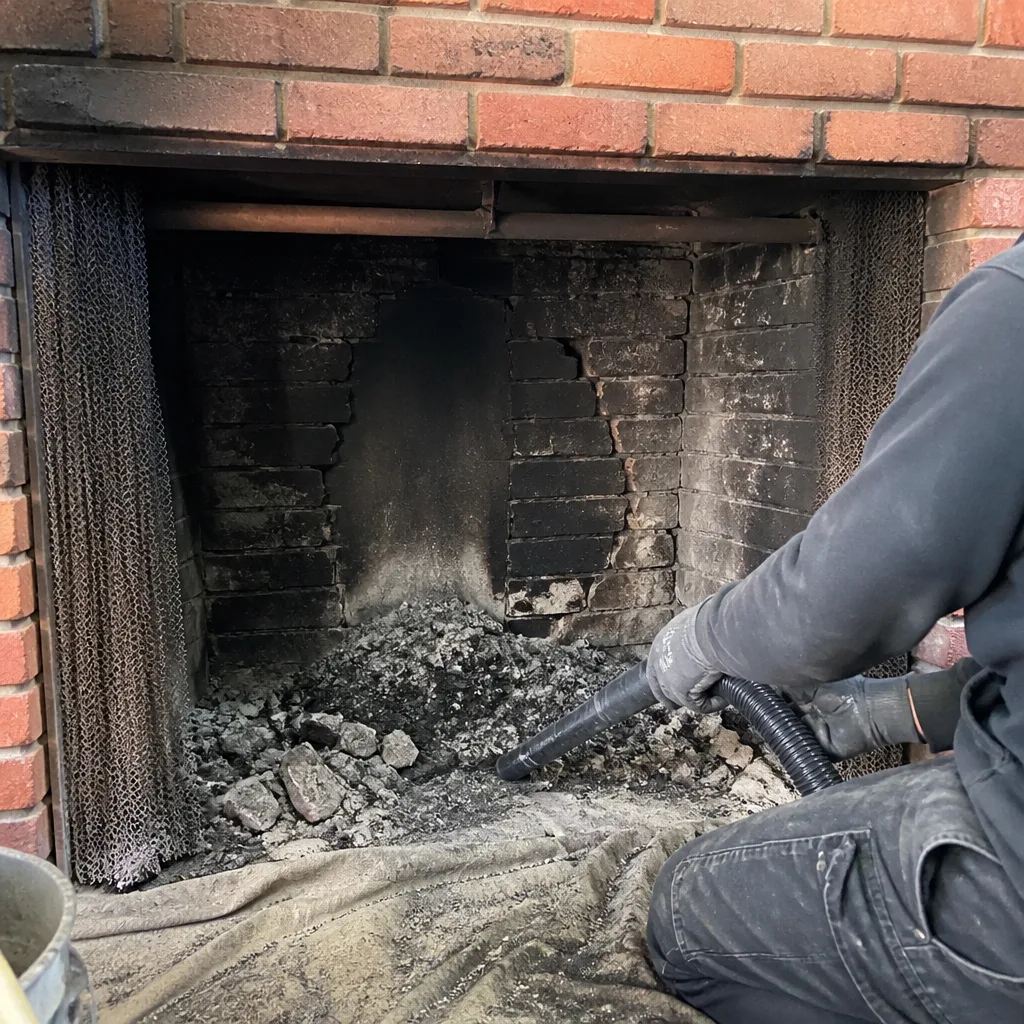 Before
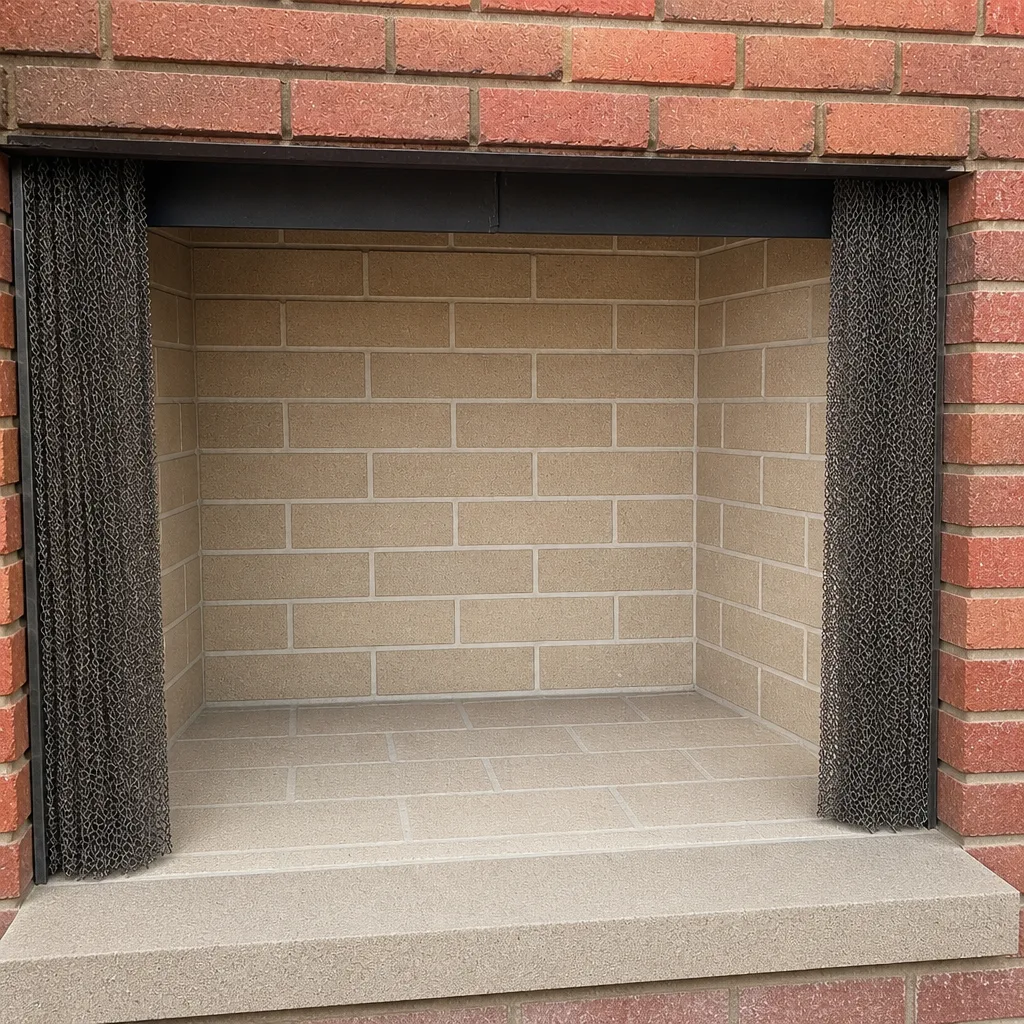 After
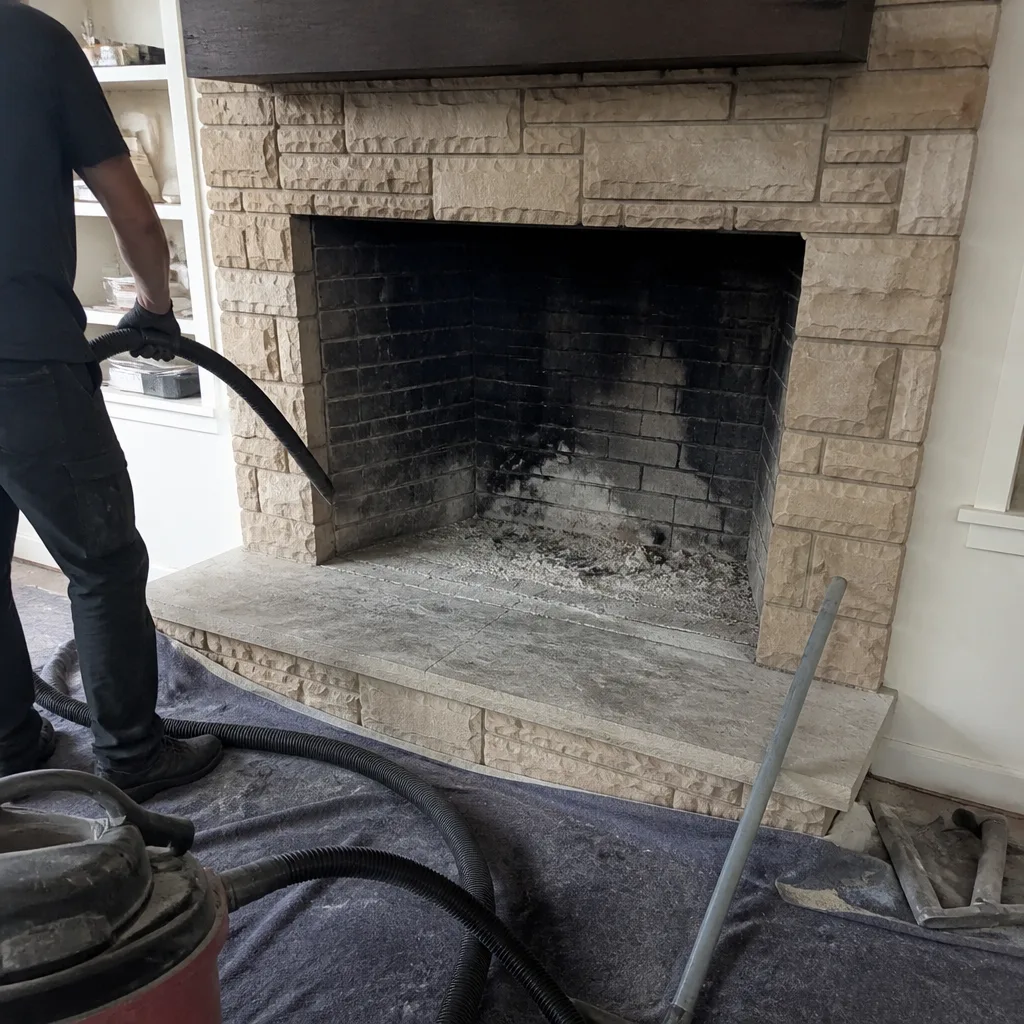 Before
 After
 Before
 After
When to Call a Professional
You should call a professional chimney company when the problem goes past what you can see or verify yourself. Visible creosote buildup that’s more than a light dusting, a chimney that smokes into the house when the fire is lit, a masonry crack you can see from the ground, or a flue that hasn’t been inspected in years – all of these warrant a trained look. We also recommend a call if you’re switching fuel types, changing appliances, or moving into a home whose chimney history you don’t know.
Kansas City Chimney Cleaning offers free estimates in Kansas City – call (866) 480-2930. We answer 24/7, and fast dispatch runs 7am to 7pm, Sunday through Friday.
For homeowners on the Kansas side of the metro, our Kansas City page covers the same services across the state line.
Frequently Asked Questions
The right brand is the one whose fuel-type rating, temperature rating, and gauge match your specific appliance. For most Kansas City wood-burning fireplaces, that means a stainless system like DuraFlex sized correctly for the flue, installed by a technician trained on that product. Ask to see the spec sheet before you approve any work. Call (866) 480-2930 for a free estimate – we’ll specify the exact product and explain why it fits your chimney.
HeatShield is not a replacement for a new liner, but it can often restore a damaged flue that would otherwise require full replacement. When the damage is confined to the interior clay tile surface, resurfacing with a tested product like HeatShield rebuilds a smooth, sealed interior without tearing out the existing flue. When the damage is structural, a full DuraFlex reline is usually the correct solution. The right call depends on what a professional camera inspection actually shows – not on a preference for one product over the other.
Because it’s the piece standing between your flue and everything the weather throws at it – rain, snow, debris, and animals – and it’s the piece you’ll look at for the next fifteen years. A Famco or Copperfield cap is purpose-built for chimney service. A hardware-store substitute may fit the opening but wasn’t tested for the temperature swings and drafts a chimney actually produces. The cap is a small line item on the estimate and an important one for long-term chimney health.
Yes – and if you’re in Kansas City, that’s what you should ask for. A company that handles both sweep and structural repair in-house removes the accountability chain problem that comes from subcontracting. You have one point of contact, one warranty, and one understanding of your chimney’s history. Call (866) 480-2930 to schedule a sweep and know upfront that any repair found during inspection can be handled by the same provider.
Ask two things: what the product warranty covers, and who honors the installation. Product warranties address the material. Installation warranties address the workmanship. A DuraFlex or HeatShield system may carry a strong manufacturer warranty, but if the installation wasn’t done to spec, that warranty may not apply. Get the warranty terms in writing with the estimate, and confirm who stands behind the labor portion.
Because contractors who buy cheap tend to install cheap, and the materials installed in a chimney are largely invisible after the job is finished. A contractor who sources from Olympia Chimney, Copperfield, Famco, or another professional supplier has made an active investment in the products they install. A contractor who picks up whatever fits from the hardware store has made a different choice. The supply chain behind the work tells you more than the price tag. Call (866) 480-2930 to talk through the materials we use on your job.
The Bottom Line
The chimney brand question is not really about brand names. It’s about whether the materials installed in your Missouri or Kansas home are correct for the appliance, rated for the temperature, and backed by a trained installer and a real warranty. Ask for the spec sheet. Ask about fuel type, temperature, and gauge. Ask who performs the work and who warrants the result. A company that handles those questions without hesitation is a company worth hiring – and one that offers professional-grade brands like DuraFlex, HeatShield, Famco, and Copperfield to back it up has already told you a lot about how they work.
Contact
Ready to talk through what your chimney actually needs? Call Kansas City Chimney Cleaning at (866) 480-2930 for a free estimate. We answer 24/7. Fast dispatch from 7am to 7pm, Sunday through Friday. Our technicians have up to 12 years of experience, and every job uses professional-grade materials matched to your appliance – from sweep to structural repair, with dryer vent cleaning available from the same provider so both fire-safety concerns get addressed in one relationship.
Written by the team at Kansas City Chimney Cleaning.