
Last updated November 15, 2026
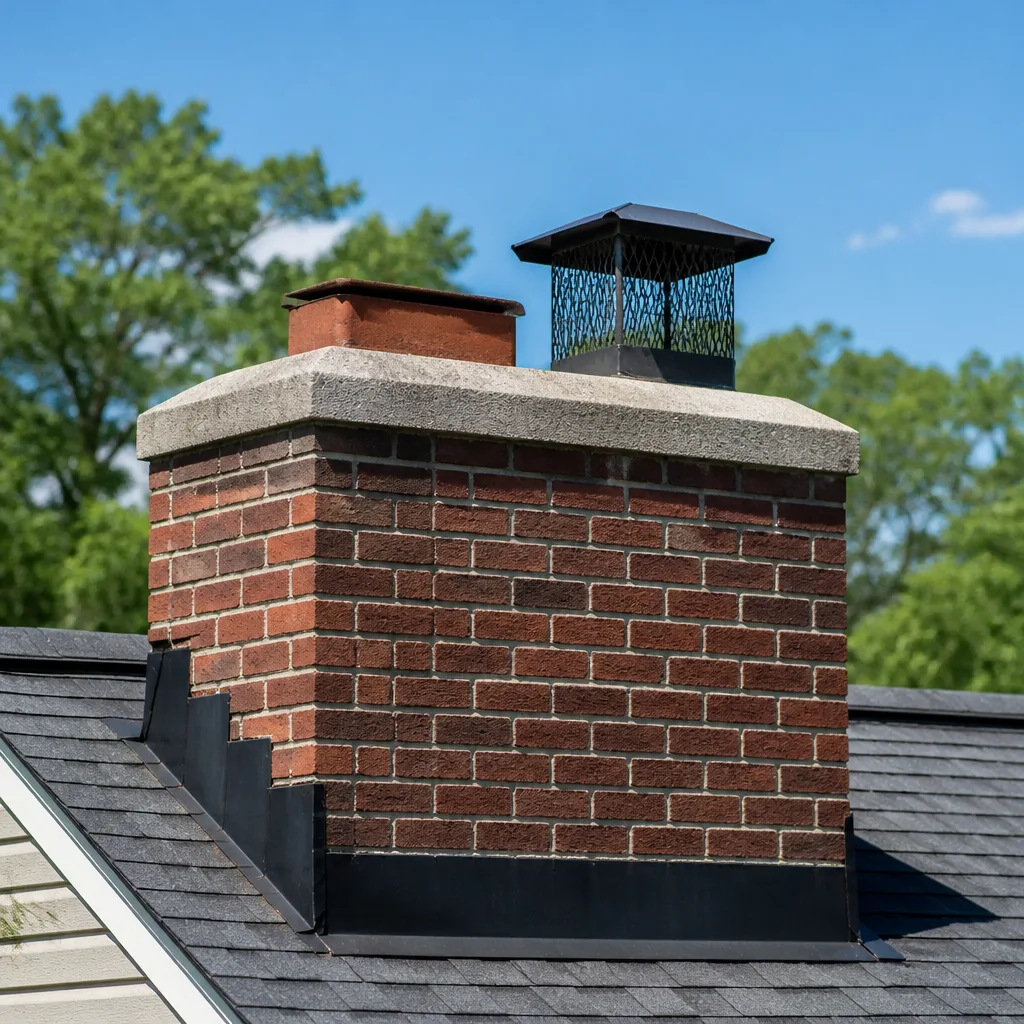 Sweep & inspection
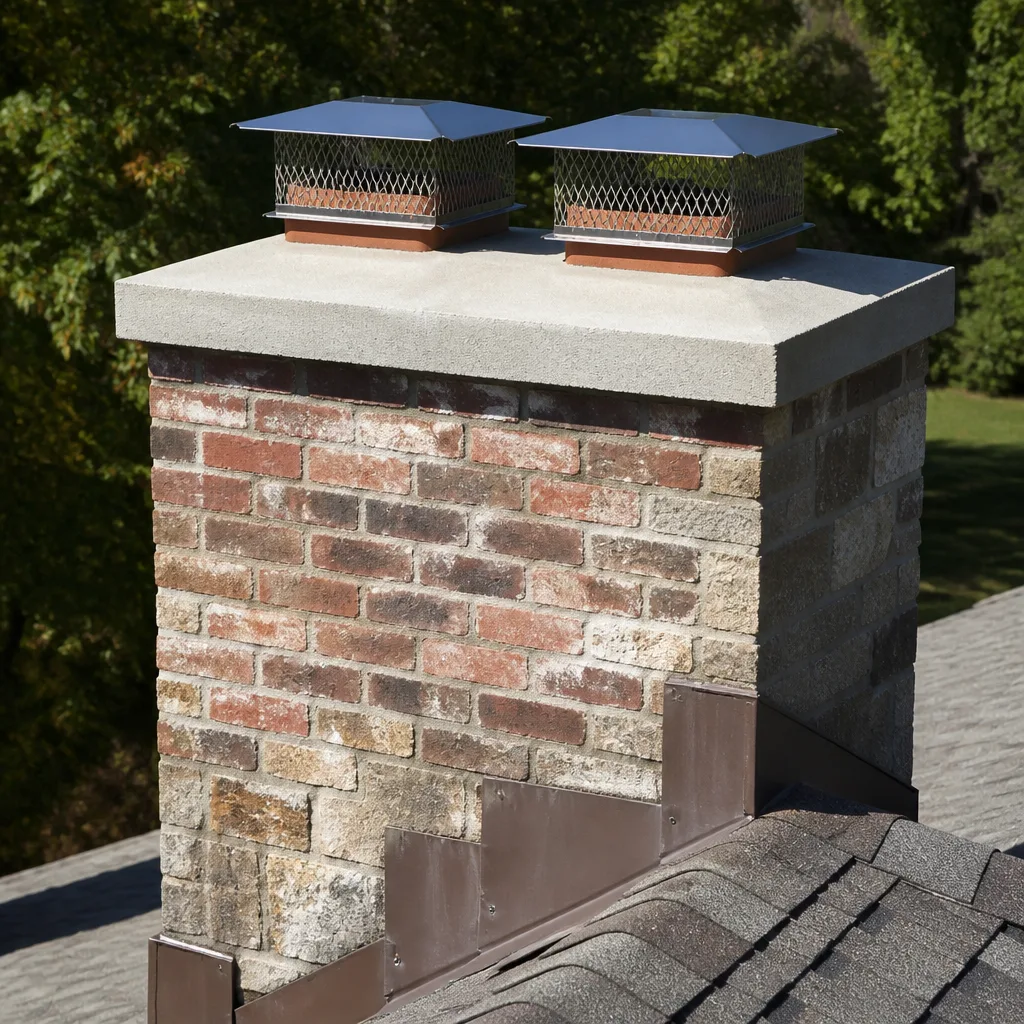 Caps & crowns
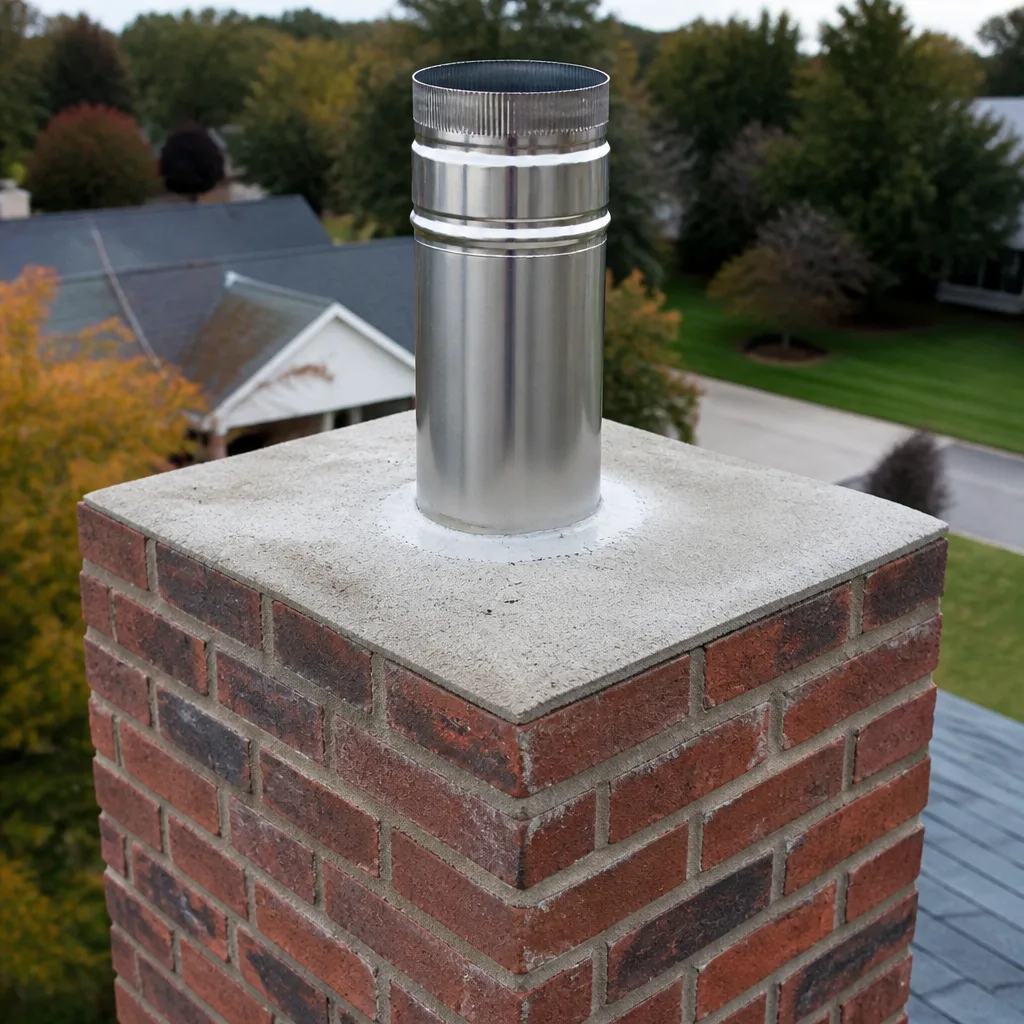 Flue relining
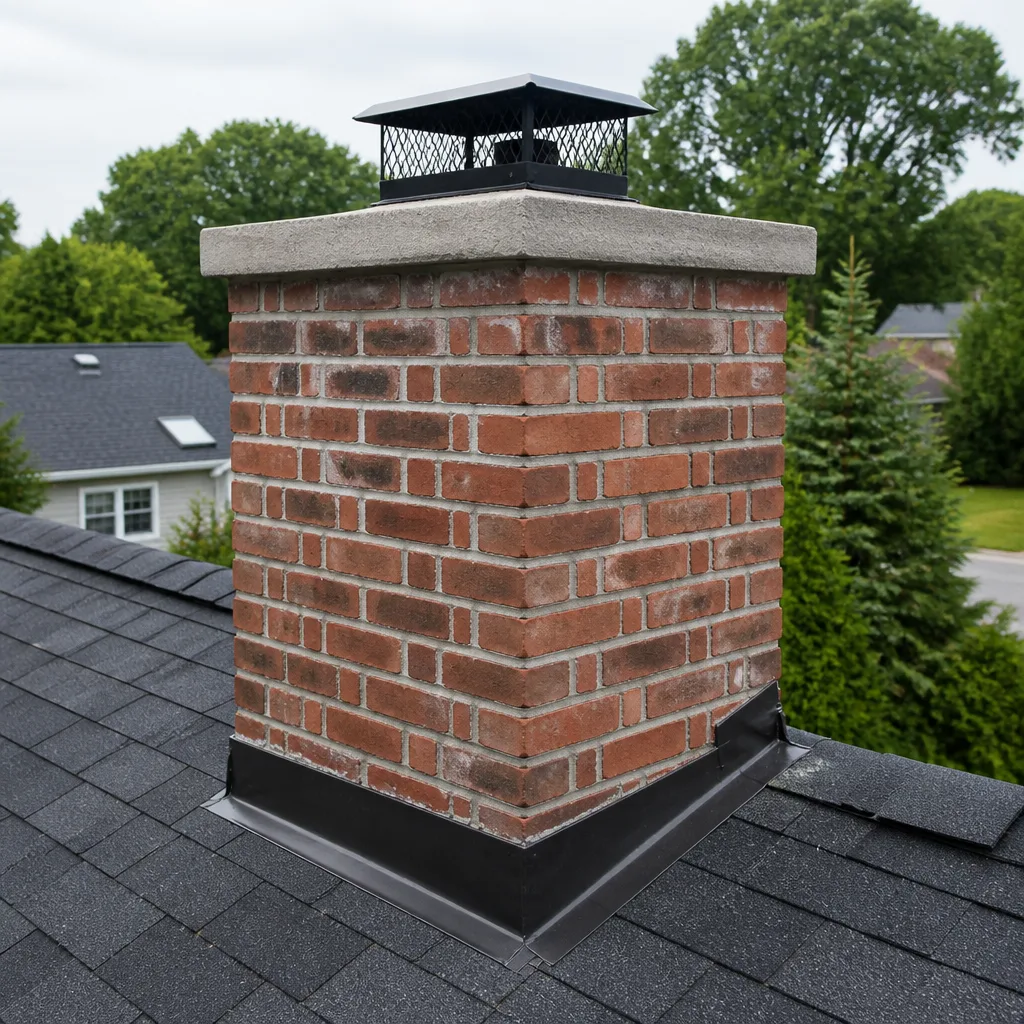 Masonry repair
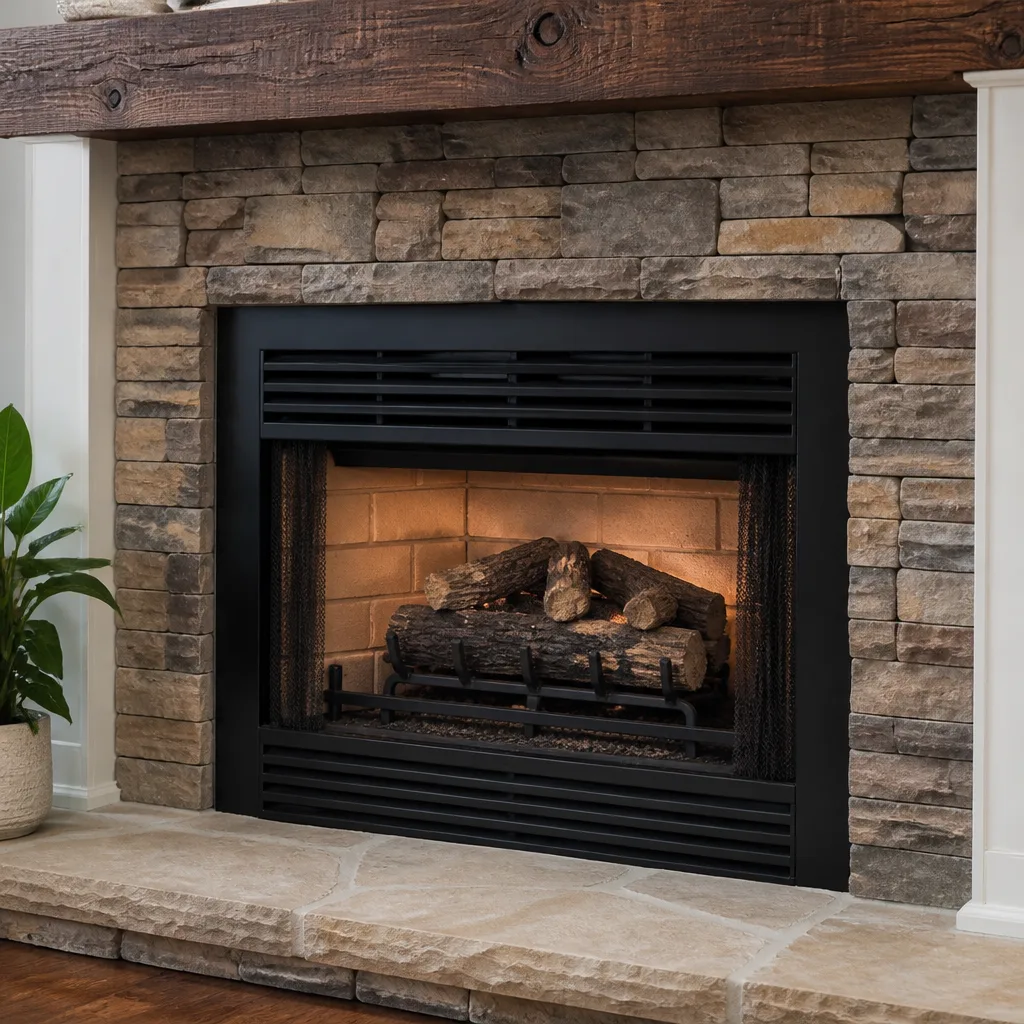 Gas fireplace service
Level 1 sweep and inspection to the NFPA 211 annual standard - flue, crown, cap, and flashing checked and photographed
Chimney sweep logs do not sweep chimneys. They loosen some creosote - which then falls where a brush and vacuum still have to collect it.
Chimney Cleaning Warning Signs: A Kansas City Homeowner’s Reference Guide
A white stain on the outside of your chimney isn’t cosmetic. It’s efflorescence, and it means water has been moving through your masonry long enough to carry dissolved salts to the surface. By the time you see it, the damage is already inside. Most warning-sign checklists describe symptoms at the stage where the chimney is already a hazard: heavy glaze on the flue walls, chunks of mortar on the firebox floor, smoke rolling back into the room. This guide works differently. It’s built around the early, easy-to-miss signals that Kansas City homeowners can actually catch from the ground, in the room, and by smell, long before a chimney problem turns structural. We’ll walk through a tiered index of warning signs by urgency, what you can safely inspect yourself, what odors point to, why draft problems in Kansas City are often not chimney problems at all, and when to stop using the fireplace and call.
Quick Answer
The main chimney cleaning warning signs are a strong creosote or smoky odor even when the fireplace is cold, visible soot or dark staining around the firebox and damper, white efflorescence or rust streaks on the exterior masonry, a cap or crown that’s cracked or missing, smoke spilling into the room when you light a fire, and any animal nesting or debris visible from the ground. If you see or smell any of these in Kansas City, schedule a professional inspection before you burn again.
Styles & brands we work with
- Sweep & inspection
- Caps & crowns
- Flue relining
- Masonry repair
- Gas fireplace service
Table of Contents
- The Tiered Warning Sign Index: When to Act
- What You Can Check From the Ground (No Ladder Needed)
- Odor Patterns: What Each Smell Is Telling You
- Draft Problems in Kansas City: Chimney Issue or Air-Sealing Issue?
- Warning Signs Unique to Gas Inserts and Wood Stoves
- Interior Clues: Firebox, Damper, and Smoke Patterns
- Kansas City Climate and Your Masonry
- What a Real Inspection Involves
The Tiered Warning Sign Index: When to Act
Not every warning sign means the same thing. Some are “schedule a sweep in the next few weeks.” Others are “stop burning tonight.” The problem with most guides is they flatten all symptoms into one alarming list, which either panics a homeowner over a minor issue or, more often, gets ignored because everything feels too big. So here’s the reference organized by actual urgency.
Tier 1 – Schedule Service
These signs mean the chimney needs attention on your regular maintenance schedule. Nothing is on fire. Nothing is actively failing. But left alone, each of these tends to grow into something more expensive.
- A faint smoky smell in the room, noticeable mostly when the fireplace is cold.
- A thin layer of soot visible on the firebox walls or damper.
- Minor rust or a few dark streaks on the exterior cap.
- It’s been more than a year since the last chimney sweep and the fireplace gets regular winter use.
- Small amounts of debris – soot flakes, bits of mortar – on the firebox floor after use.
Tier 2 – Schedule Soon
These signs point to damage that is progressing. You can still use the fireplace carefully, but the next sweep should include a real inspection with a camera, and repairs should be planned rather than deferred indefinitely.
- Visible white powder or staining (efflorescence) on the exterior masonry.
- Crumbling mortar joints on the brick chimney stack.
- A cap that’s loose, damaged, or missing its screen.
- Persistent smoky odor that doesn’t fade when the fireplace is cold.
- Smoke curling into the room when you first light a fire, then settling once it warms up.
- Heavy, flaky, or glossy creosote buildup visible near the damper.
- Daylight or sky visible down through an open flue (missing or failed cap).
Tier 3 – Stop Using the Fireplace Now
These signs mean the chimney has a condition that can cause a chimney fire, carbon monoxide exposure, or structural collapse. Stop using the fireplace or wood stove until a professional has inspected and cleared it. This is not a category for “wait and see.”
- Glazed, tar-like creosote visible along the flue (this is the flammable stage).
- Pieces of chimney liner or mortar falling into the firebox.
- A gas smell anywhere near a gas insert or its venting – shut the gas off and call your gas utility first, then a chimney professional.
- Chimney stack that’s visibly leaning, cracked through the brick, or missing masonry from a section.
- Continuous smoke spillage into the room, even once the fire is burning well.
- Carbon monoxide alarm sounding during or after a fire – evacuate and call 911 first.
If you’re in Tier 3 on any single item, treat it as urgent. A blocked or heavily fouled flue in Kansas City can allow combustion gases to reach the living space instead of venting up and out. If you’re not sure which tier you’re in, an inspection sorts it out. Our technicians have up to 12 years of experience reading exactly these signals.
What You Can Check From the Ground (No Ladder Needed)
The safest and most useful inspection you can perform happens entirely at ground level. Getting on a roof to look at a chimney is a job for a trained professional, and we’d rather you didn’t. But plenty of early warning signs are visible from the lawn, the driveway, or a window – no ladder, no binoculars, no risk.
Walk around the outside of your house once per season and check these specific spots:
- The top of the chimney crown. The crown is the concrete or stone slab capping the top of the stack. From the ground, look for a clear silhouette. A crack, a sloping gap, or a missing corner shows up as a break in that outline.
- The cap and spark screen. The cap should sit squarely on the crown with its mesh intact. A tilted cap, a missing screen, or an empty open flue top (you can see straight down) all point to a chimney that’s vulnerable to rain, animals, and birds.
- The brick and mortar joints. Look for visible white staining (efflorescence), dark streaks (water tracking), or missing mortar between bricks. Crumbling joints look rough and recessed compared to sound masonry.
- The flashing where the chimney meets the roof. From the ground, look at the roofline where the chimney meets shingles. A gap, a lifted piece of metal, or stain streaks on the roof below the chimney is a leak sign.
- Chimney stack profile. Step back far enough to see the full height of the chimney. A lean of even a few degrees from vertical is worth inspecting.
- Rust or staining on the cap and exterior metal. Rust on the cap is often a clue that moisture is settling where it shouldn’t.
If any of these look off, don’t climb up to check. That’s the point of the exercise – you note what you see from the ground, and a trained professional gets on the roof with proper equipment. Exterior masonry and caps aren’t just cosmetic; they’re the first line of defense keeping water and pests out of the flue.
Odor Patterns: What Each Smell Is Telling You
Smell is the most underrated diagnostic tool a homeowner has. It’s also the one that gets misread most often, because different smells point to different underlying problems, and homeowners tend to lump them into “the chimney smells.” They don’t all mean the same thing. Here’s how to sort them.
The Creosote Smell
A sharp, smoky, almost campfire smell that lingers even when the fireplace is cold is the classic creosote odor. It typically means creosote has built up in the flue to the point where it’s releasing volatile compounds back down into the room. This is the number-one sign that a sweep is due. If the smell is accompanied by a dark, glossy coating visible near the damper, you have creosote at a stage where it’s flammable and should be treated as a Tier 3 warning sign.
The Gas Smell
A rotten-egg, sulfur-like smell near a gas insert, gas log set, or gas furnace flue is a completely different category. This is the smell of a gas leak, and it’s an emergency. Turn the gas off at the meter or appliance valve if you can safely reach it, open windows, leave the house, and call your gas utility immediately. Carbon monoxide has no smell at all, so a working CO alarm matters here – the rotten-egg smell is added to natural gas as a safety marker, not from the gas itself.
The Mildew or Damp Earth Smell
A musty, wet, earthy smell drifting out of the fireplace or down from the flue points to water intrusion. In Kansas City, this often pairs with efflorescence on the exterior masonry or rust on the damper. It means water is getting into the flue through the crown, cap, or brick, and the interior is staying damp long enough to grow mildew. Left alone, water intrusion drives masonry deterioration and can rust steel components. This is a Tier 2 warning sign – get it looked at before the next freeze.
The Dead-Animal or Panicked-Bird Smell
A distinctly different, sharper, unpleasant smell coming from the fireplace can point to a bird, squirrel, or raccoon that’s become trapped in the flue. An open flue without a cap is an invitation. The remedy isn’t just removal; the cap and screen need to be repaired or replaced so it doesn’t happen again. Famco and Gelco venting components are what a professional will use to make sure the replacement is built for the purpose rather than improvised.
Draft Problems in Kansas City: Chimney Issue or Air-Sealing Issue?
One of the trickiest diagnostics homeowners face is smoke that won’t go up. The instinct is to assume the chimney is blocked or dirty. Sometimes it is. But in modern Kansas City homes, and especially in houses that have been air-sealed and insulated since the 1980s and 90s, a draft problem is often a house pressure problem, not a chimney problem.
Here’s the distinction to watch for.
- Chimney issues get worse over time. A blocked or fouled flue, a damaged cap screen, or a shorter-than-recommended stack lets smoke back up slowly and predictably. You’ll often notice smoke curling into the room more on some days than others, tied to wind direction.
- House-pressure issues show up suddenly and are tied to other appliances. If smoke backs up mainly when the kitchen exhaust fan, bathroom fan, or clothes dryer is running, or when a furnace fires, that’s a sign of negative pressure inside the house pulling air down the chimney. The dryer vent cleaning angle matters more than people realize – a clogged dryer vent can force a house into pressure imbalance and exacerbate draft problems everywhere.
- Tight-construction symptoms run in families. Houses that have been re-sided, re-windowed, and insulated to modern standards are much tighter than they were originally. Older Kansas City homes built in the mid-century were drafty, and the fireplace worked because the house leaked. Once sealed, the fireplace has less makeup air to draw on.
- All of the above can co-exist. A blocked flue plus a tight house is a real thing. That’s why an inspection that includes a camera and a pressure check gives a more useful answer than a visual “the flue looks fine.”
In our experience, roughly half the “my chimney doesn’t draw” calls we look at in Kansas City turn out to have a meaningful house-pressure component alongside whatever the chimney itself needs. A sweep doesn’t fix negative pressure. Identifying it is what allows you to fix the actual problem.
Warning Signs Unique to Gas Inserts and Wood Stoves
Gas inserts and wood stoves fail differently from open fireplaces. An open fireplace tends to produce obvious signs – smoke, smell, visible soot – that are hard to miss. A gas insert or enclosed wood stove runs quietly and vents through a dedicated flue that’s often sealed from the rest of the system, so problems can build up without the classic open-hearth signals. Kansas City has plenty of both, and the signs to watch are different.
Gas Insert Warning Signs
- Blue flame turning yellow or orange. A gas flame that’s drifting away from blue means the burner isn’t getting complete combustion, which can mean the venting has a problem. Yellow flames deserve a professional look.
- Soot on the glass front. A small amount of white haze can be normal. Black or heavy soot on the inside of the glass points to incomplete combustion or venting trouble.
- Condensation on the inside of the glass that reappears quickly after starting up can indicate venting that isn’t exhausting properly.
- Any gas smell. Treat as a gas leak until ruled out – turn off the supply and call the gas utility.
- The pilot light that won’t stay lit, or a pilot flame that’s unusually large or small.
- Carbon monoxide alarm sounding – evacuate and call 911 before anything else.
Gas insert venting is a real specialty. A general handyman can wipe down the glass; a chimney professional with the right inspection tools can tell you whether the venting itself is sound. HeatShield resurfacing and DuraFlex liner systems both come into play when a gas appliance flue has deteriorated.
Wood Stove Warning Signs
- Smoke rolling out of the stove when you open the door. Some spillage at start-up is normal. Spillage on every reload is not.
- Draft that used to work fine and now doesn’t. A wood stove flue can load up faster than an open fireplace.
- The glass door blackens quickly. Some darkening happens with any wood stove; rapid blackening points to fuel or draft issues.
- Burning wood that feels unusually smoky or hard to keep going. This often signals the wood itself is too wet, but persistent behavior can also point to a restricted flue.
- Glazed creosote visible in the firebox or flue. Same Tier 3 concern as an open fireplace – the creosote is flammable.
- Rust on the stove body or flue pipe. Water intrusion, usually from the cap or crown.
Both appliance types benefit from the same basic principle: don’t wait for obvious failure. A wood stove or gas insert that’s been quietly running for a few seasons without a professional look is precisely the situation where early warning signs get missed. The pro-grade materials that go into repair work – Olympia Chimney components, DuraFlex liner, Famco caps and venting – exist because these systems are built to precise specs, and generic substitutes don’t perform the same way.
Interior Clues: Firebox, Damper, and Smoke Patterns
A lot of useful information lives inside the fireplace itself. You don’t need a ladder or a flashlight on the roof to notice most of these. What you need is a quick, deliberate look at the firebox, damper, and the way smoke behaves when you light a fire.
- Look at the firebox walls. Sound firebox brick is fairly uniform. Cracks larger than a hairline, spalling, or missing chunks of firebrick are worth an inspection. Even small cracks can let heat and moisture migrate into the masonry behind.
- Look at the damper. With the fireplace cold, open the damper and check that it moves freely and seats fully. A damper that won’t fully close is an energy loss, and a damper that won’t fully open is a smoke problem waiting to happen.
- Look at the smoke shelf. Behind the damper there’s a ledge called the smoke shelf. Soot buildup here is common and it’s also where debris and animals tend to accumulate.
- Check the firebox floor for debris. Soot flakes and mortar crumbs after a fire are normal to a point. Chunks of masonry or pieces of liner mean something has failed above.
- Watch the smoke. Light a small test fire and watch what happens in the first 90 seconds. A small amount of drift at start-up is expected. Continuous smoke into the room after the fire is burning is a draft problem.
- Look at the wall above the fireplace. Dark staining on the wall above a fireplace – inside or outside – can be a sign that smoke is escaping where it shouldn’t.
None of these checks involve touching the firebox structure or the flue itself. That’s intentional. Firebox and damper work is professional territory. What you’re doing here is gathering good observations so the professional who comes out is starting from an accurate picture instead of a blank slate.
Kansas City Climate and Your Masonry
Kansas City sits in a climate zone that’s hard on masonry chimneys. Hot, humid summers soften masonry and let moisture soak in, and winters bring repeated freeze-thaw cycles. That combination is the single biggest driver of exterior chimney deterioration locally, and it’s why efflorescence, cracked crowns, and crumbling mortar joints show up in Kansas City more than they would in a drier climate with the same age of home.
The mechanics are worth understanding.
- Summer moisture penetrates the brick and mortar. Brick is porous. Mortar is even more so. A Kansas City summer is plenty of time for a chimney to absorb meaningful water content, especially if the crown has a small crack or the brick face is aging.
- Freeze-thaw breaks it down. Water expands when it freezes. When a saturated Kansas City chimney hits a cold snap, the moisture inside the brick and mortar expands, cracks the material, thaws, refills, and repeats. A small crack becomes a bigger crack fast.
- Efflorescence is the visible result. The white, powdery staining on the exterior masonry is dissolved salts carried to the surface by water that has moved through the brick. It’s a clear signal that water has been getting in and moving around inside the masonry. Cosmetic cleaning won’t fix it; the source of the moisture needs to be addressed.
- Flashing and the crown are the usual entry points. The crown at the top of the chimney is the most exposed surface, and the flashing where the chimney meets the roofline is the most common leak spot. Either one in disrepair is a reliable way for water to get into your chimney system.
- The interior damage accumulates at the same time. Water doesn’t just stay in the brick. It reaches the flue liner, the damper, the smoke shelf, and the firebox. Rust on the damper and musty smells in the firebox usually trace back to the same water path as the exterior staining.
If you see efflorescence on a Kansas City chimney, don’t wait until the next spring. Catching it within a season of it appearing is much less expensive than catching it after two or three winters of freeze-thaw cycles. The good news is that modern repair options are broader than they were a generation ago. HeatShield resurfacing can restore a damaged liner without a full replacement in many cases, and DuraFlex stainless liners are a durable structural fix when replacement is the right call.
What a Real Inspection Involves
An inspection is where the value of calling a professional lands. It’s not “shining a light up the flue and nodding.” A serious inspection looks at every part of the system and produces evidence you can see for yourself.
- Interior inspection with a camera. The flue is video-scanned, and the technician reviews what the camera sees with you. Soot grade, creosote stage, liner condition, cracks, joint gaps – all of it comes back as a picture on the screen, not a verbal summary.
- Firebox and damper check. Firebox integrity, damper operation, and smoke shelf condition all get looked at directly.
- Exterior roof and masonry inspection. Crown, cap, screen, brick face, mortar joints, flashing – everything that’s visible from up top with proper safety equipment.
- Draft and pressure test. This is where we diagnose whether the problem is the chimney or the house. It’s the difference between a fix that solves the issue and a fix that addresses the wrong thing.
- Sweep if warranted. A chimney sweep removes the creosote and soot load. What matters is that it’s done as part of a full assessment, not in isolation, so that a fouled flue isn’t the only thing anyone looks at.
- Photo report. Everything found gets documented with images. This is critical because it lets you verify the findings and ask questions before agreeing to any work – and it means a contractor can’t tell you “the liner is shot” without showing you.
That last point is the one we lean into hardest. A homeowner’s real hesitation about chimney work is being told they need thousands of dollars of liner or masonry work they have no way to verify. We don’t recommend repair work without camera evidence you see for yourself, and we say plainly when a problem can safely wait. If your chimney falls in Tier 1, we’ll tell you that and put you on a reasonable schedule. If it’s Tier 3, we’ll show you why. If it’s in between, you’ll know exactly what’s really a priority and what isn’t.
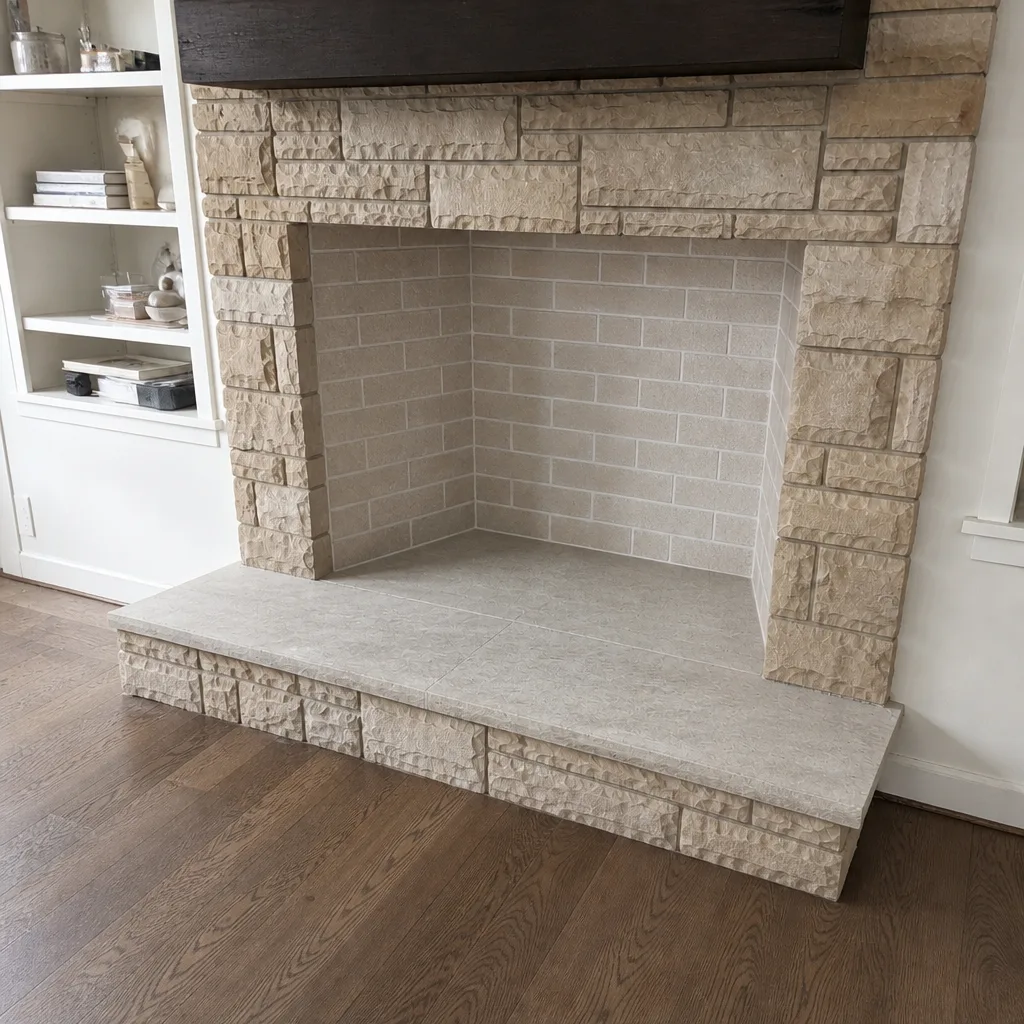
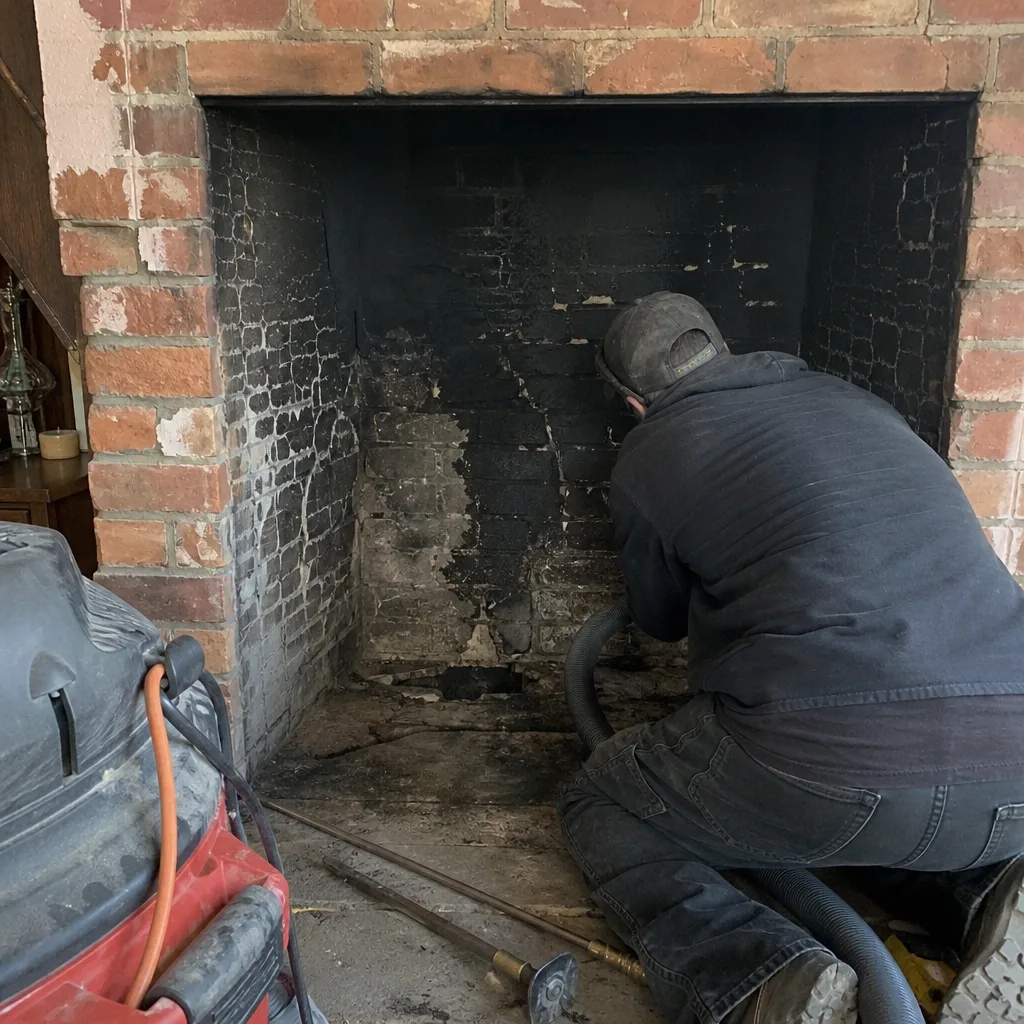
See the difference
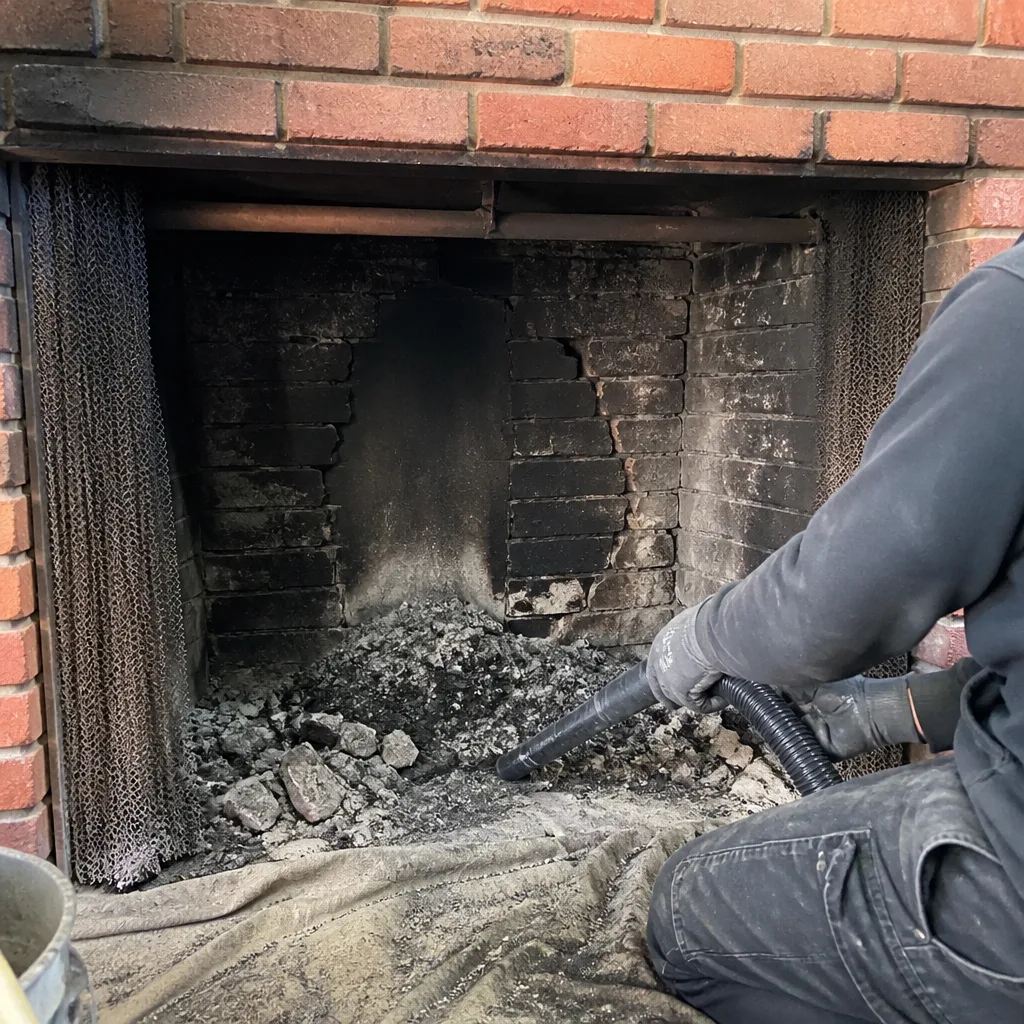 Before
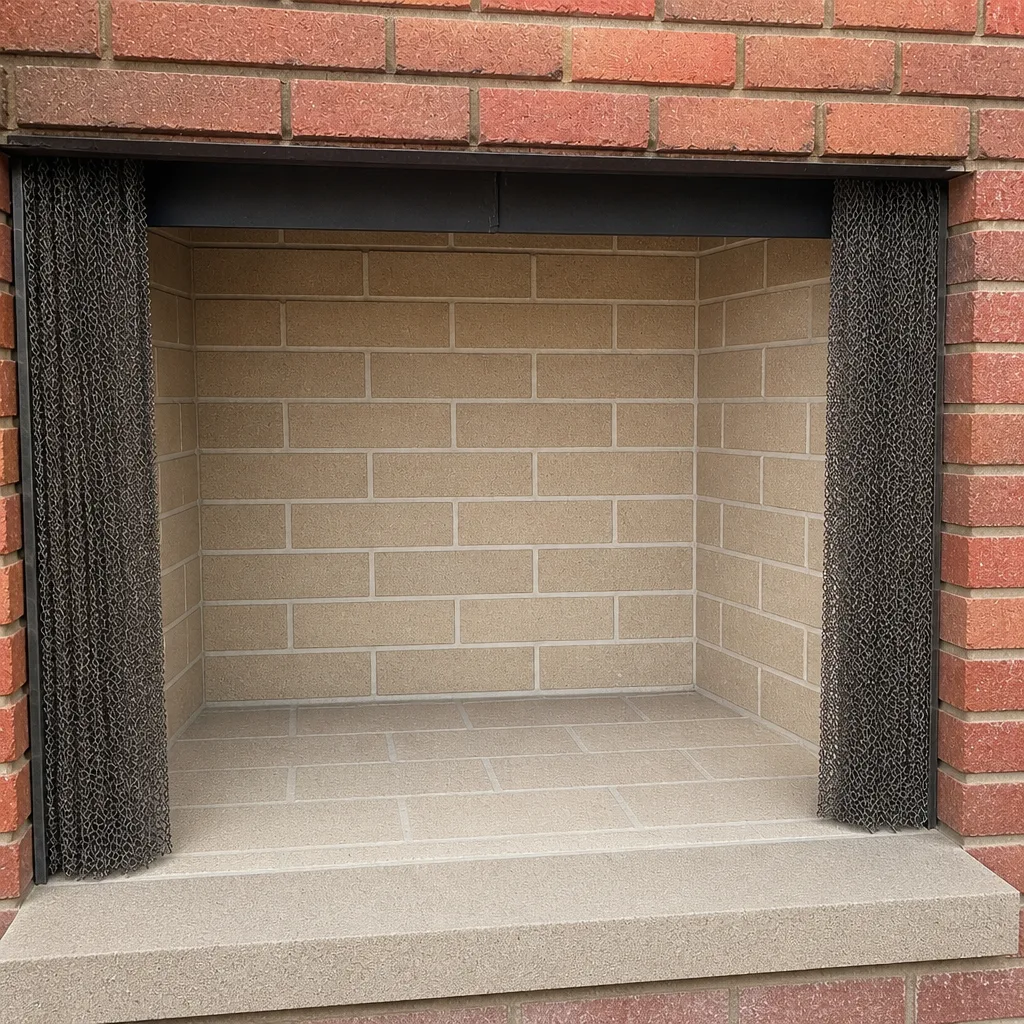 After
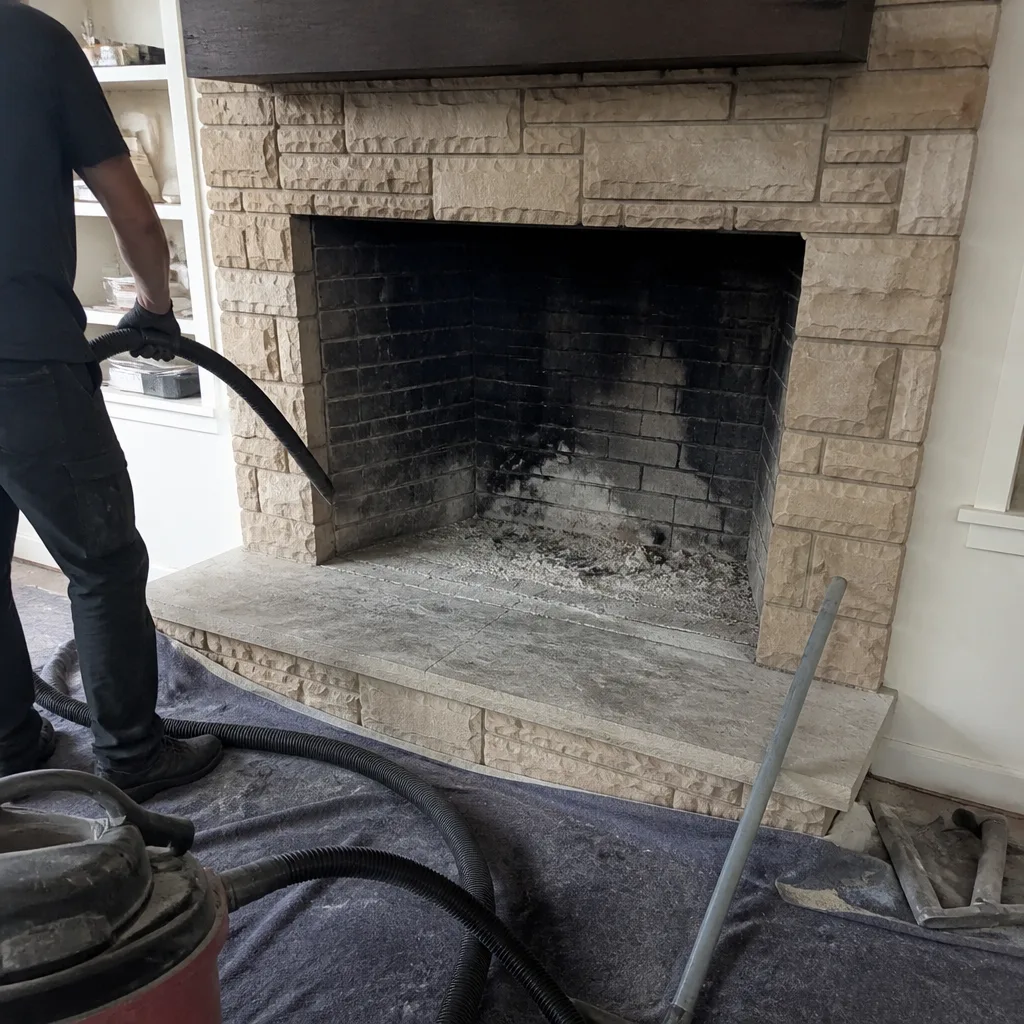 Before
 After
 Before
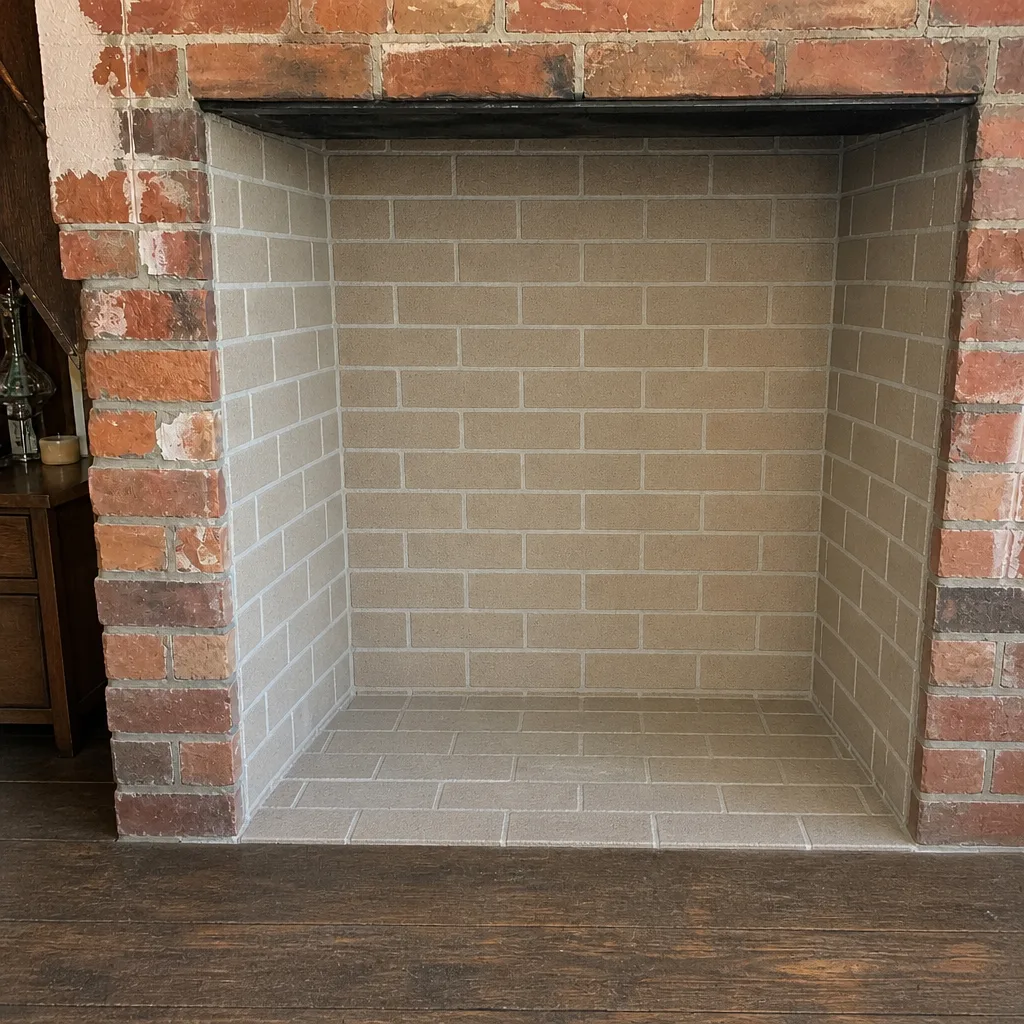 After
Common Mistakes to Avoid
- Treating white staining as a cleaning problem. Efflorescence isn’t surface dirt. Scrubbing it off visually doesn’t fix the water intrusion that produced it, and the next rain will bring the stain back. Address the source of the water, not the symptom.
- Skipping a sweep because “we barely used the fireplace.” Even light use builds creosote, and a chimney that was swept once and then idled for two winters doesn’t automatically stay clean. Birds, animals, and moisture move in when the chimney isn’t being used.
- Climbing on the roof to check the chimney yourself. This is the one we want to be clear about. Roofs and chimney tops are a serious fall hazard, and a homeowner slipping on a wet roof in Kansas City is a lot worse than a chimney with a bad crown.
- Assuming gas inserts are maintenance-free. Gas systems still have venting, and venting still fails. Yellow flames, soot on the glass, and pilot issues are signs, not noise.
- Pulling the dryer vent into a separate to-do list. Clogged dryer vents are one of the leading causes of residential fires, and the pressure-related draft symptoms often overlap with chimney symptoms. Handling both with one provider keeps the whole house safer and simpler to maintain.
- Letting a chimney professional hand you a quote with no evidence. Legitimate repair work comes with a camera inspection and photo report. If someone tells you a liner is failed without showing you, ask to see it, or get a second opinion.
- Waiting for a Tier 3 sign to call. By the time there’s glazed creosote, falling mortar, or continuous smoke spillage, the chimney has crossed from “needs maintenance” into a real hazard. The whole point of this reference is catching Tier 1 and Tier 2 early.
When to Call a Professional
Call a professional when any Tier 2 or Tier 3 warning sign is present, when you smell creosote even with the fireplace cold, when you see efflorescence or cracked masonry on the exterior, when a gas insert or wood stove shows any of the appliance-specific signs above, or when you simply haven’t had the chimney inspected in a while and want to know the state of the system. Call if you’re unsure which tier your situation falls into – an inspection answers that quickly. Also call when you want the dryer vent checked at the same time; combining chimney and vent work in one visit is both safer and lower-lift for you. Kansas City Chimney Cleaning offers free estimates in Kansas City – call (866) 480-2930. Our technicians have up to 12 years of experience across sweeps, liner work, and venting diagnostics.
Frequently Asked Questions
A smoky smell even when the fireplace is cold, thin soot staining on the firebox walls or damper, and light debris on the firebox floor are the earliest reliable signs. Any of these means creosote has built up enough to notice, and a sweep is due. Call (866) 480-2930 for an exact quote – estimates are free.
Once a year for a chimney in regular use is the standard recommendation, and it’s a good default for most Kansas City homes. A gas insert or wood stove benefits from the same annual inspection even if the sweep itself is less involved. If you see any Tier 2 or Tier 3 warning sign, don’t wait for the yearly window. Call (866) 480-2930.
It’s a real problem. The white staining is efflorescence, which means water has been moving through your masonry long enough to carry dissolved salts to the surface. The stain is the visible part; the damage is inside the brick and mortar. Have it inspected and get the source of the moisture addressed. Call (866) 480-2930 for a free estimate.
Sometimes a repair works and replacement isn’t needed. HeatShield resurfacing can restore a damaged liner in many cases, which is a proven repair path that costs far less than full relining. Only a camera inspection tells you which route is right, and we don’t recommend work without showing you the evidence. Call (866) 480-2930.
Creosote keeps building up in the flue. At some point it reaches a glazed, flammable stage, which is the state that allows a chimney fire. Separately, restricted draft can allow combustion gases into the living space. Both outcomes are preventable with a sweep and an inspection. Call (866) 480-2930.
It can be either, and sometimes both. If smoke backs up mainly when other exhaust fans or appliances are running, that points to house pressure in a tighter-construction Kansas City home. If it’s persistent regardless of other appliances, it’s more likely the chimney itself. An inspection with a pressure check sorts it out. Call (866) 480-2930.
The Bottom Line
The useful chimney warning signs are the early, easy-to-miss ones: the creosote smell on a cold evening, the white stain on the exterior brick, the crumbling mortar joint, the smoke that backs up when the kitchen fan runs. By the time the signs are impossible to ignore, the chimney has usually crossed into a repair category that costs more than a maintenance visit would have. Use the three-tier index in this guide as your reference. Check the outside from the ground once a season. Pay attention to what your nose is telling you. If something lands in Tier 2 or Tier 3, stop putting it off. Our team works with pro-grade materials – DuraFlex for stainless relining, HeatShield for resurfacing, Olympia Chimney and Copperfield for components, Famco and Gelco for caps and venting – because the right product for the job matters when you’re protecting a home. Kansas City Chimney Cleaning offers three fire-safety services under one roof: Kansas City Chimney Cleaning, Kansas City chimney repair, and dryer vent work. From sweep to structural repair, we resurface, reline, and repair – not just sweep. Call (866) 480-2930. We answer 24/7. Fast dispatch from 7am to 7pm, Sunday through Friday. The written estimate sets the final price, and nothing is recommended without evidence you can see.
Written by the team at Kansas City Chimney Cleaning.