
Last updated November 15, 2026
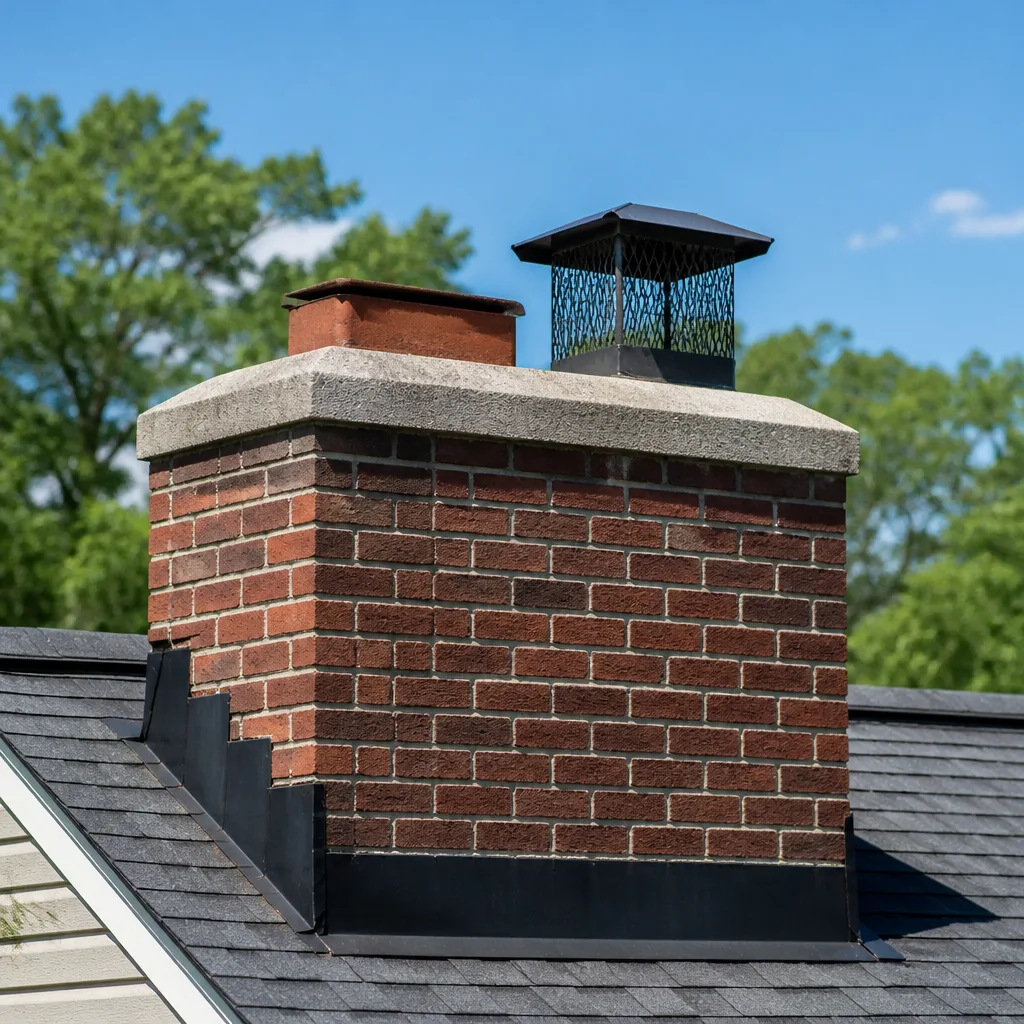 Sweep & inspection
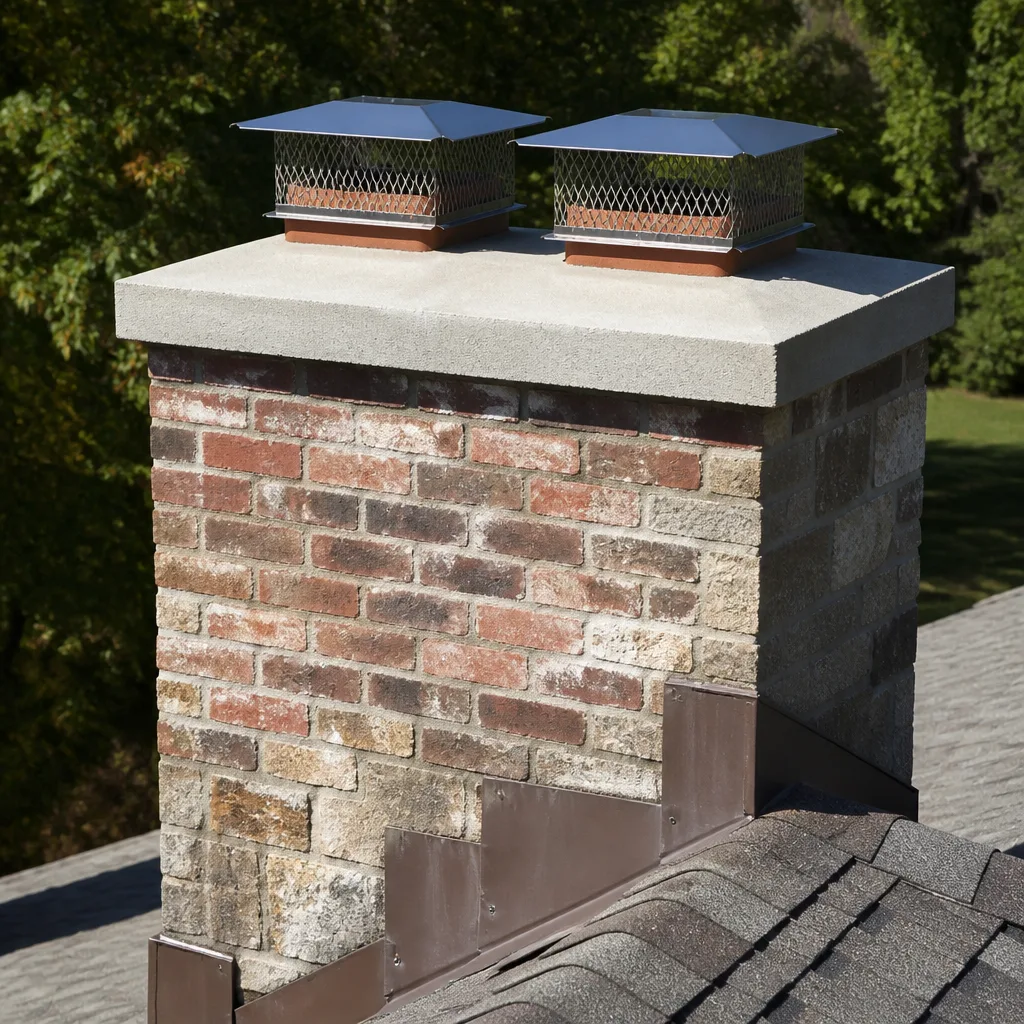 Caps & crowns
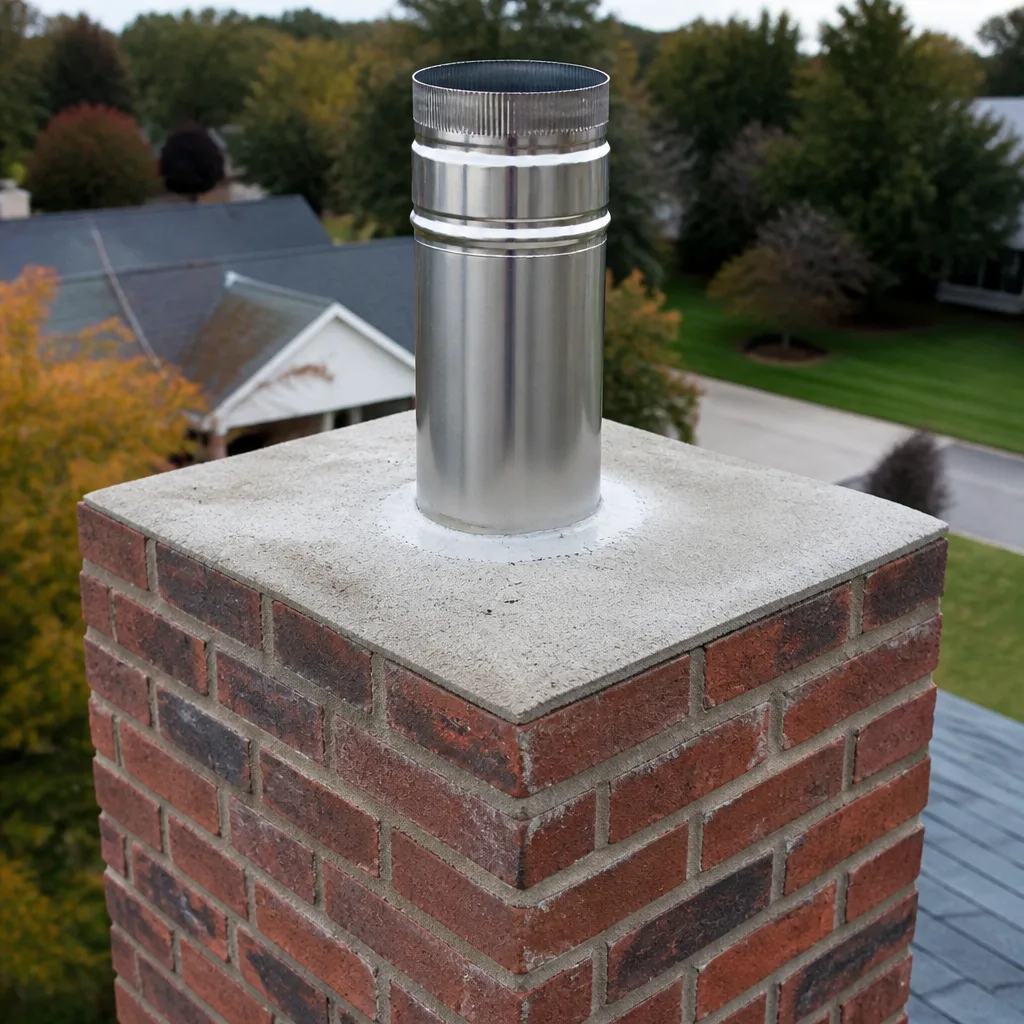 Flue relining
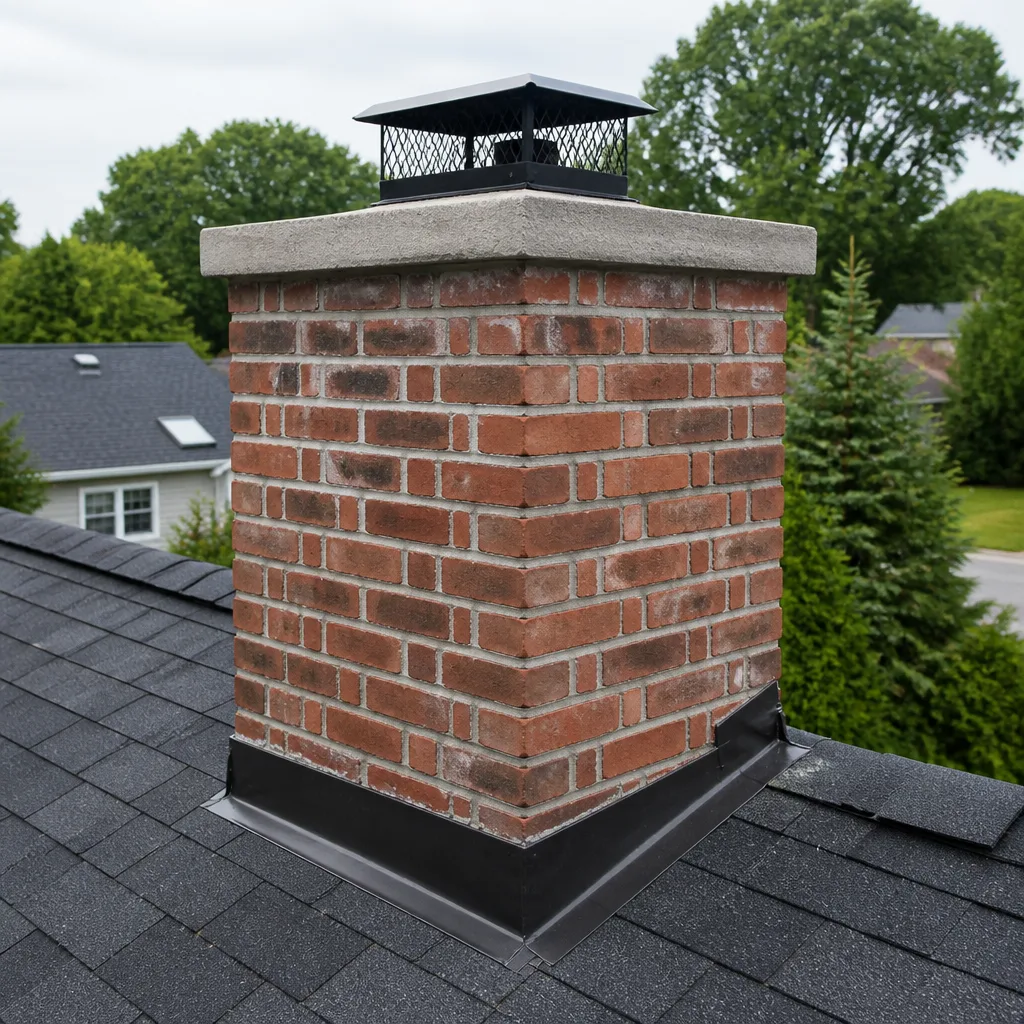 Masonry repair
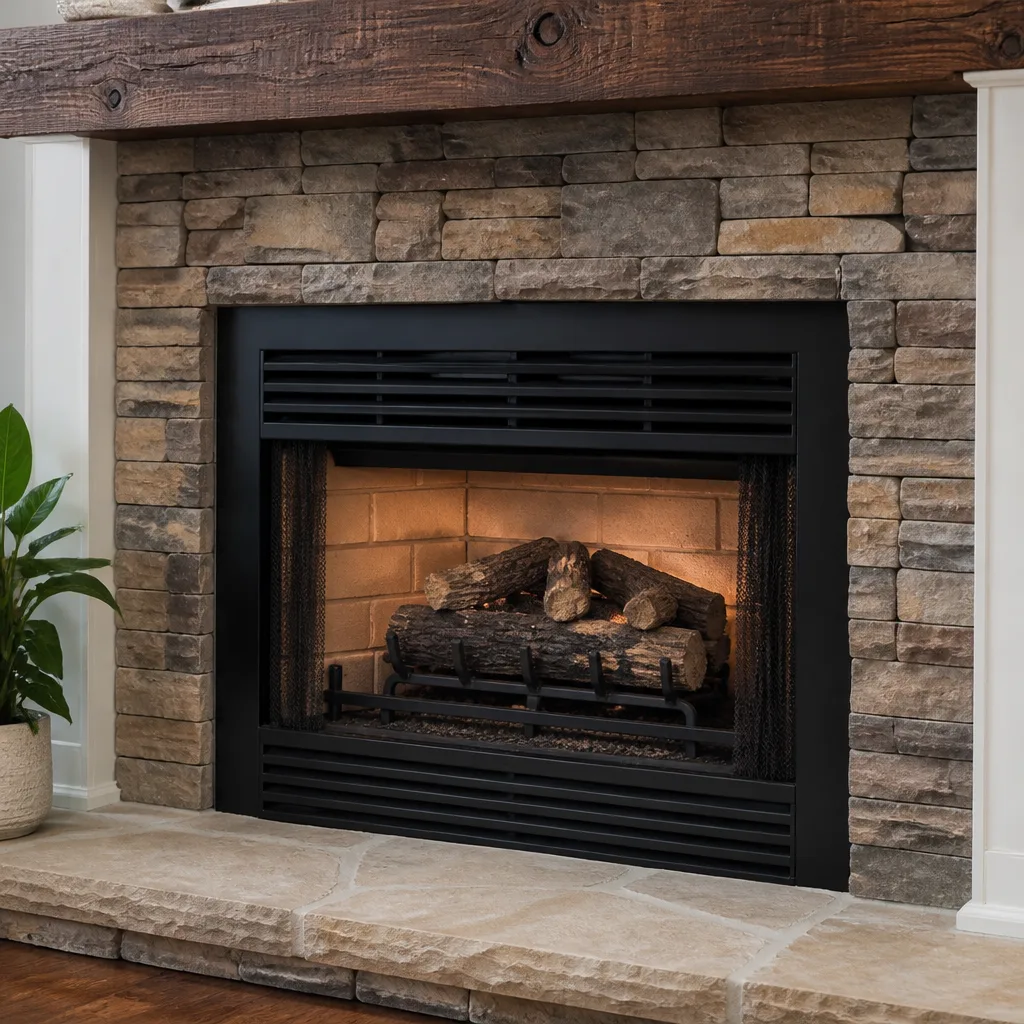 Gas fireplace service
Level 1 sweep and inspection to the NFPA 211 annual standard - flue, crown, cap, and flashing checked and photographed
Chimney sweep logs do not sweep chimneys. They loosen some creosote - which then falls where a brush and vacuum still have to collect it.
Chimney Cleaning Permits, Codes & Inspections in Kansas City, KS: What You Need to Know
A liner replacement done without a permit in Wyandotte County can void your homeowner’s insurance coverage for a chimney fire. That’s the part most contractors leave out of the estimate, because pulling paperwork slows a job down and adds nothing to the invoice. But it’s exactly the part that matters when something goes wrong.
Here’s what almost every Kansas City homeowner gets wrong about this: they lump all chimney work into one category and assume none of it needs a permit. That’s mostly right for a routine sweep. It stops being right the moment the job turns structural. We’re going to walk through where that line falls in Kansas City, KS, how local code and the national standards work together, and what you should ask a contractor to hand you before, during, and after any chimney repair.
Quick Answer
In Kansas City, KS, routine chimney cleaning and maintenance do not require a permit. Structural chimney repair, including liner replacement, relining, and significant masonry reconstruction, generally does require a permit from the local building authority. A Level 2 inspection is not a permit requirement, but it is the standard most real estate transactions expect, and it’s typically the buyer’s responsibility to order one during the sale process.
Styles & brands we work with
- Sweep & inspection
- Caps & crowns
- Flue relining
- Masonry repair
- Gas fireplace service
Table of Contents
- Maintenance vs. Structural Repair: Where the Permit Line Falls
- How NFPA 211 and IRC Chapter 10 Work With Local Code
- What a Level 2 Inspection Legally Requires at Home Sale
- How Unpermitted Liner Work Affects Your Insurance Claim
- What to Ask Your Contractor to Document
- Why Kansas City Chimneys Take a Beating
- Step-by-Step: What a Permitted Repair Actually Looks Like
Maintenance vs. Structural Repair: Where the Permit Line Falls
The distinction under Kansas City, KS municipal code is between maintenance work and structural repair work. Maintenance is anything that keeps an existing system in working order without changing its construction. Structural repair is anything that modifies or replaces part of the chimney’s physical structure. One is not a permitting event; the other usually is.
The confusion happens because these categories aren’t always obvious. Here’s how to tell them apart:
Maintenance (typically no permit required)
- A standard chimney sweep, including removal of creosote, soot, and debris
- Inspection at any level, including a camera inspection
- Cap replacement or installation of a new cap on existing flue tile
- Replacing a damper that mounts in an existing opening
- Removing a bird or animal nest from the flue
- Minor masonry repointing where no structural member is removed or replaced
Structural repair (permit typically required)
- Chimney liner replacement, including pour-in liners and stainless-steel relining
- Rebuilding the chimney above the roofline, even when it’s a partial rebuild
- Firebox rebuilding or firebox re-facing that changes dimensions
- Relocating or re-sizing a flue
- Removing a chimney entirely or adding a new one
- Any repair that alters the chimney’s height relative to the roof
The practical rule we use with Kansas City homeowners: if the work changes what’s physically there, ask about a permit before signing anything. If the work restores something to the condition it’s already in, ask anyway, and expect a “no.” The permit question is cheap to ask and expensive to skip.
One thing to understand about Kansas City, KS specifically. Wyandotte County’s enforcement practices vary by scope. A licensed contractor pulling a permit for a full reline is routine. A homeowner hiring an unlicensed operator to do the same work without paperwork is the scenario that generates problems later. Our chimney sweep service is always maintenance. A reline is not, and we treat it as a permit job every time.
How NFPA 211 and IRC Chapter 10 Work With Local Code
National standards don’t replace local code in Kansas City, KS; they layer on top of it. NFPA 211 (Standard for Chimneys, Fireplaces, Vents, and Solid Fuel-Burning Appliances) sets the technical baseline for how chimneys must be built and maintained. IRC Chapter 10 (the International Residential Code’s chimney and vent chapter) sets the construction and clearance requirements. Kansas City adopts versions of these frameworks into its own municipal code, and the local building authority enforces the result.
What this means for you as a homeowner:
- NFPA 211 is the inspection standard. When a Level 2 inspection finds a hairline crack, a warped tile, or missing mortar joints, the technician is measuring against NFPA 211 clearances, not against a personal opinion. That matters when you sell.
- IRC Chapter 10 is the construction standard. A liner installed to IRC clearances has the correct airspace from combustibles, the correct flue size for the appliance, and the correct termination height. A liner installed without those clearances is a failure waiting on a fire.
- Local enforcement is the practical layer. Wyandotte County’s building department inspects the work that requires a permit. If the work looks right but wasn’t inspected, it’s functionally unverified, regardless of how well it was done.
Where homeowners get tripped up is assuming “we build to code” is a substitute for a permit. It isn’t. A contractor can build correctly and still skip the inspection that proves it. And when you sell the home, an unpermitted modification raises a question the buyer’s inspector will flag.
We reference the specific products used on every job because the standard is only as good as the material meeting it. DuraFlex liner systems are our standard stainless-steel relining path for wood, gas, and oil appliances, and Olympia Chimney and Copperfield supply components that meet professional specifications. We mention the specific brands because “we use quality parts” isn’t a specification. A product line is.
What a Level 2 Inspection Legally Requires at Home Sale
A Level 2 inspection is not a legal requirement in Kansas City, KS by statute, but it’s the practical expectation in most real estate transactions involving a home with a fireplace or wood-burning appliance. It’s also the standard that mortgage lenders and buyer’s inspectors expect to see. Skipping it doesn’t break a law; it creates a disclosure problem.
Here’s what a Level 2 inspection actually requires, using the NFPA 211 framework:
- Visual inspection of accessible areas. The technician inspects the chimney exterior, interior flue, firebox, damper, smoke chamber, and any accessible portions of the connecting flue.
- Video camera scan of the flue. A camera is run the full length of the flue, and the technician reviews the footage with you in real time. This is where cracks, gaps, and offsets get caught.
- Access to the attic, crawlspace, and roof. A thorough Level 2 requires access to spaces where the chimney passes through the building envelope. The technician needs to see the clearances at those transition points.
- Written report with photo documentation. A legitimate report includes photos of each defect found, not just a one-line summary saying “recommend reline.”
- Recommendations for repair, if any. Those recommendations should be tied to specific findings in the report.
In our experience, the responsibility for ordering the Level 2 usually falls on the buyer, though a seller will sometimes order it preemptively to smooth the transaction. Either way, the report belongs to whoever ordered and paid for it. If a seller orders the inspection, the buyer has a right to see the report during negotiation.
Kansas City homes often carry chimney systems that were updated at different points over the years, which is exactly the situation a Level 2 catches better than a Level 1. A fireplace that got a new gas insert in 2008 and didn’t get a new liner doesn’t look any different from the outside. The camera finds it.
How Unpermitted Liner Work Affects Your Insurance Claim
Unpermitted liner work can affect your insurance claim in two ways: by calling into question whether the loss is covered, and by calling into question whether the work that failed was ever compliant. Both are avoidable. Both happen regularly.
Here’s the mechanism. Your homeowner’s policy typically covers a chimney fire if the chimney was maintained and was in compliance with applicable codes at the time of the loss. If a claim adjuster discovers that a liner replacement was done without a permit, they ask two questions: was the work inspected, and was it compliant? If the answer to either is no, the adjuster has grounds to dispute coverage. That doesn’t mean coverage is automatically denied. It means the claim becomes contested when it shouldn’t have been.
The second issue is subtler. An unpermitted liner may pass inspection if it were inspected, but it wasn’t, so nobody knows. If a technician installed a liner sized wrong for the appliance or with insufficient clearance from combustibles, the failure mode is a chimney fire, and the adjuster’s investigation will find the clearance problem. That doesn’t just affect the claim on the chimney. It can affect the claim on the surrounding structure.
Insurance isn’t the only downstream cost. If you sell the home, an unpermitted liner is a disclosure item. Buyers ask for proof of permit and inspection. Sellers who can’t produce them either pay for a retroactive inspection or discount the price to cover the uncertainty.
The Fix: if you’ve had liner work done without a permit, the sequence to correct it is to have a Level 2 inspection performed, get the findings documented, then apply for a permit retroactively and have the work inspected. It’s a step backward, but it closes the gap. If we’re the crew performing the inspection, you’ll see the camera footage yourself and get a photo report, not a verbal summary.
This is one of the reasons we treat our liner work the way we do. Every job uses a DuraFlex system and we walk you through your documentation at the end so you know exactly what you’re holding. If a Kansas City adjuster asks you questions later, the paperwork answers them.
What to Ask Your Contractor to Document
The right documentation protects you in three scenarios: an insurance claim, a home sale, and a code inspection. Ask for these items regardless of whether the job required a permit. None of them add days to the schedule; a contractor who can’t produce them is a red flag.
- A written scope of work. Not a verbal list. What’s being removed, what’s being installed, and what brands are being used. If your contractor can’t name the products on the estimate, ask why.
- Before and after photos. Not just the after. The before photos establish condition, and they’re what protects you in a claim.
- The Level 2 inspection report with camera evidence. This is the backbone document. If the recommendation is to reline, the report should show why.
- A permit number, when applicable. Ask for the permit number and the name of the inspecting authority before work starts, not after.
- A signed final inspection card from the building department, if a permit was pulled. The permit isn’t finished until the inspection is. Hold back the final payment until you have it.
- A manufacturer’s product sheet for the liner installed. DuraFlex and Olympia Chimney both publish product documentation. Any legitimate contractor can hand you the sheet.
- A recommendation for how often you should be sweeping. This belongs in writing because the answer depends on your appliance, your fuel, and how you burn, not on a general rule.
Ask for all seven of those in the same conversation you ask for the estimate. A contractor who provides the full package holds up over years of homeownership. A contractor who provides a phone quote doesn’t.
Why Kansas City Chimneys Take a Beating
Kansas City’s climate stresses a chimney in ways that a milder climate does not. The summer humidity promotes moisture in masonry and in any unlined or partially lined flue, and the winter freeze-thaw cycle works on whatever moisture got in. Masonry doesn’t crack from the cold. It cracks from freeze-thaw, over years, and the first symptom is often what looks like a hairline fracture in the flue tile.
The heating season here is long enough that most homeowners rely on their fireplace or wood stove as a real heat source, not a decorative feature. That means shorter creosote buildup windows than in climates where the fireplace gets lit a dozen times a year. A fireplace that gets used regularly needs a sweep and inspection on a schedule the homeowner sets, not on whichever year they remember.
What this creates is a chimney that looks fine from the ground and isn’t fine inside. The camera footage catches what the outside view doesn’t. This is one reason we insist on it. A camera inspection and photo report are standard on every visit for exactly this reason; the Kansas City climate doesn’t give us the option to guess.
If you’re unsure where your chimney sits currently, the safe path is to book a Kansas City chimney cleaning visit and get the visual and camera findings documented. It costs less than a permit job because it isn’t one, and you walk away knowing whether anything else is needed.
Step-by-Step: What a Permitted Repair Actually Looks Like
Here’s how a legitimate structural repair on a chimney in Kansas City, KS runs, from the homeowner’s side. Timing varies by scope and by building department scheduling, so we’re giving you the sequence, not a stopwatch.
- The inspection comes first. Level 2 inspection with camera footage. Report issued in writing with photos. The findings determine whether the recommendation is a reline, a HeatShield resurfacing, or a partial rebuild.
- The scope and permit are filed together. Your contractor pulls the permit from the building authority. You should receive the permit number before the first day of work.
- The demolition or pre-work inspection happens. For a reline, the old liner is removed or prepped, and the inspector verifies the pre-work condition if required.
- The new liner or resurfacing goes in. For a stainless reline, DuraFlex is the standard product we use. For a partially damaged but otherwise sound flue, HeatShield resurfacing is often the more cost-effective path and is verified through the same permit and inspection process.
- Termination and cap installation. Caps and covers are installed using Famco and Gelco components, which are purpose-built for chimney applications rather than pulled off the hardware store shelf.
- Final inspection. The building department inspector reviews the work and signs off. You should receive the signed inspection card.
- Homeowner walkthrough. The contractor hands you the full documentation package, including permit number, inspection card, product sheets, and photo report.
If any step in that sequence gets skipped, ask why. A contractor who won’t file a permit for a reline is telling you something. Believe it.
Same-day scheduling is fine for inspections. A permitted repair is a project, and the right way to start is with an inspection you can see. Our team’s response time for scheduling a dryer vent cleaning visit alongside a chimney appointment is another reason homeowners in Kansas City combine the two; both leading categories of residential fire risk get addressed with one relationship.
Common Mistakes to Avoid
- Assuming all chimney work is permit-free. Sweeps aren’t permitted. Relines are. If the estimate includes “new liner” and the contractor doesn’t mention a permit, ask.
- Trusting a phone quote instead of a written inspection. A quote over the phone can’t be accurate without camera findings; it’s either a guess or a template. Get the inspection first.
- Accepting “we use quality materials” as a brand answer. Ask for the specific product. DuraFlex, Olympia Chimney, Copperfield, and HeatShield are documented systems. “Good stuff” isn’t.
- Skipping the Level 2 at home sale because “the inspector already looked at it.” A general home inspector is not a chimney inspector. The Level 2 is a separate scope with a camera.
- Hiring the lowest bid on a liner job. The material and the permit are the two costs a low bidder cuts. Both show up later, on your insurance claim or your home sale.
- Letting a chimney fire wait for the next regular sweep. A chimney fire is a fire event, and it should trigger a Level 2 inspection. The interior condition after a fire is not what it was before.
- Forgetting that Kansas City winters have different sweep schedules than milder climates. A fireplace that’s used as a heat source here accumulates creosote on a different timeline than one that gets lit occasionally.
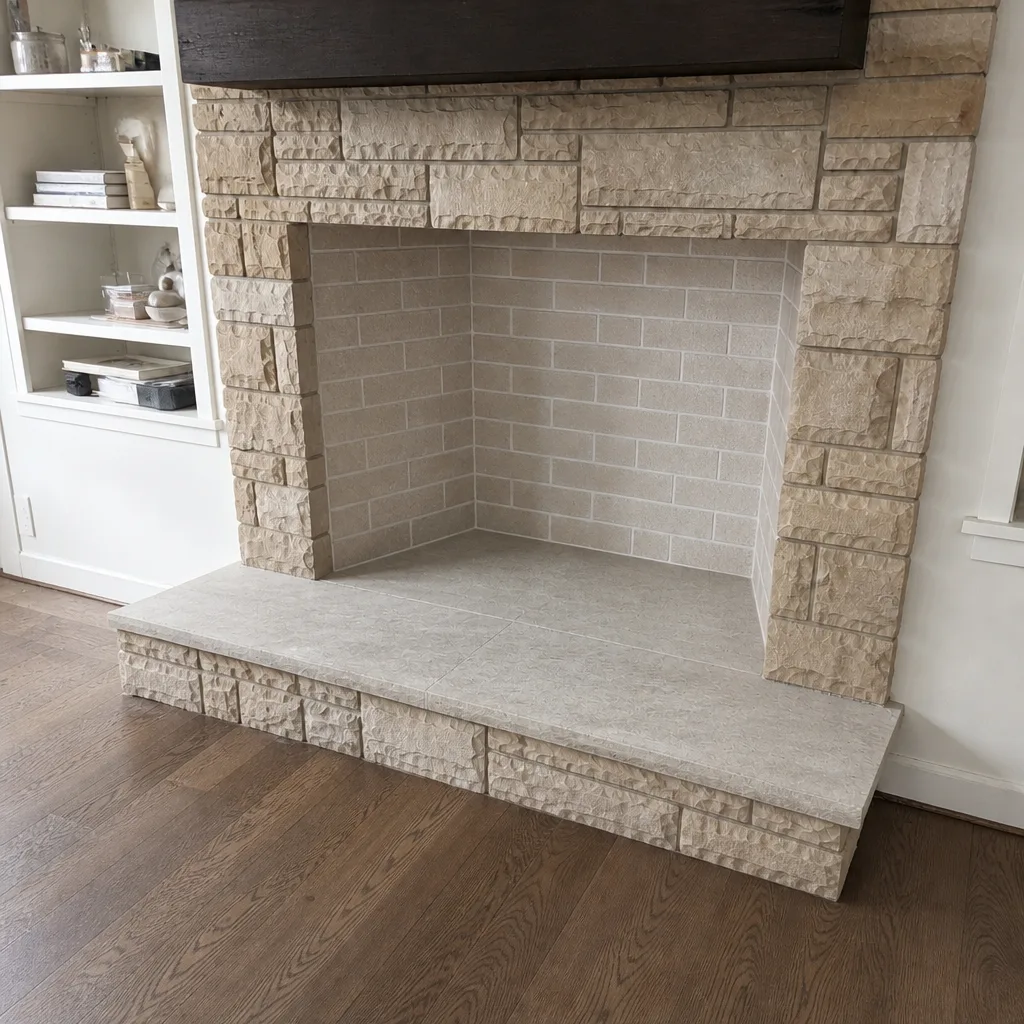
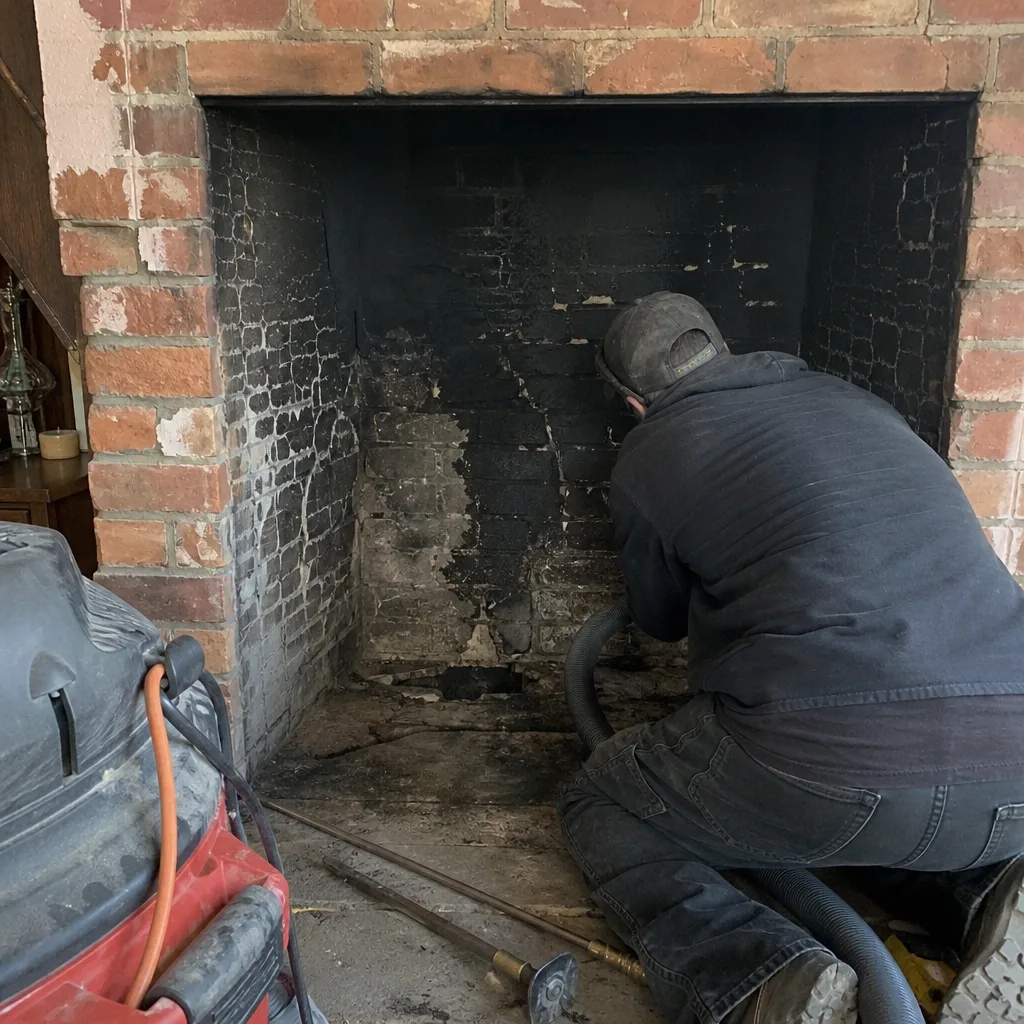
See the difference
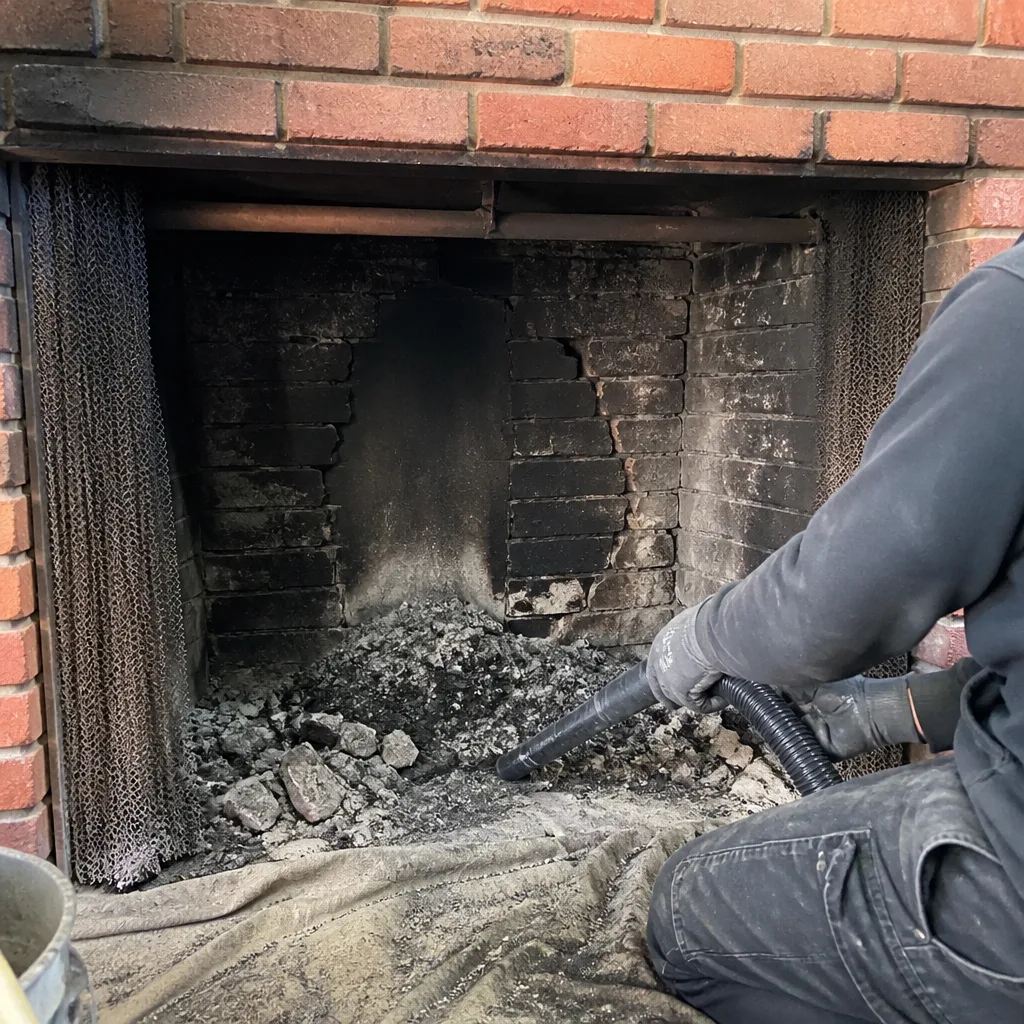 Before
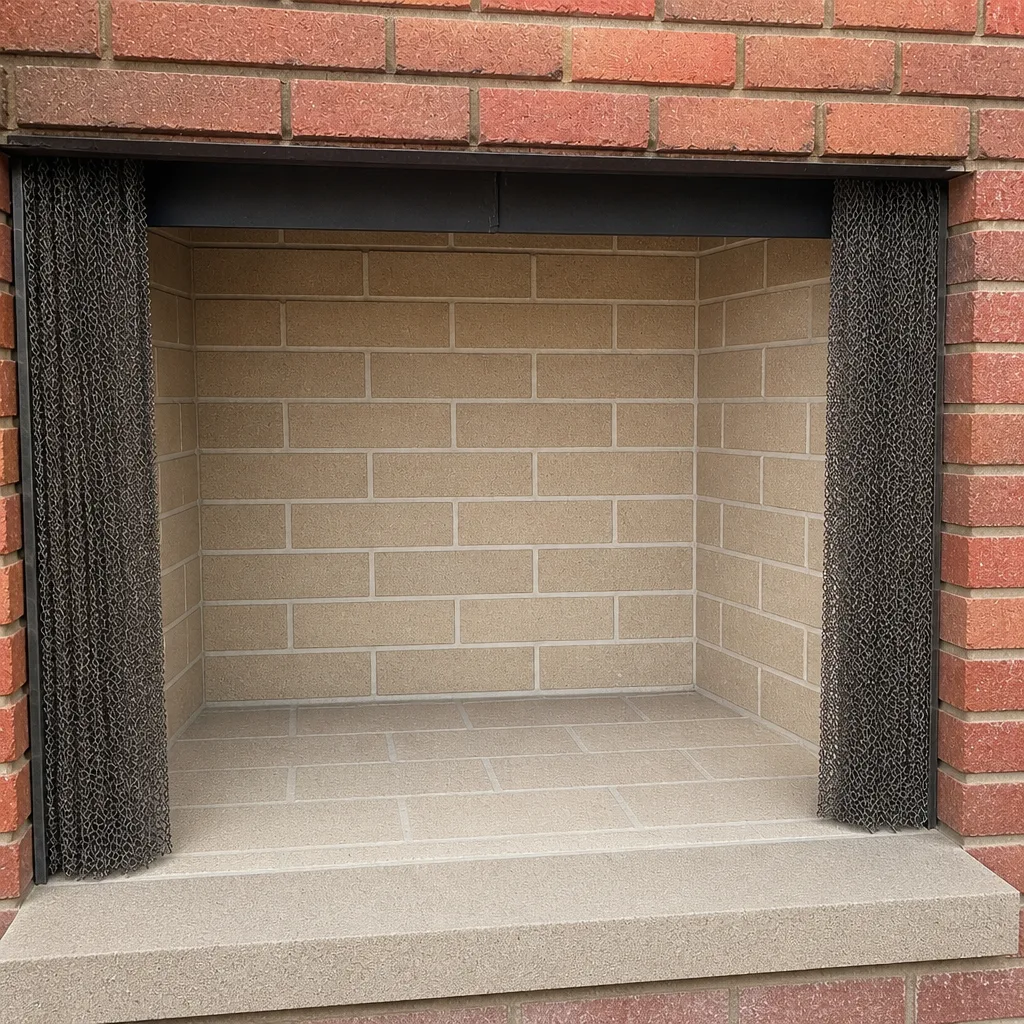 After
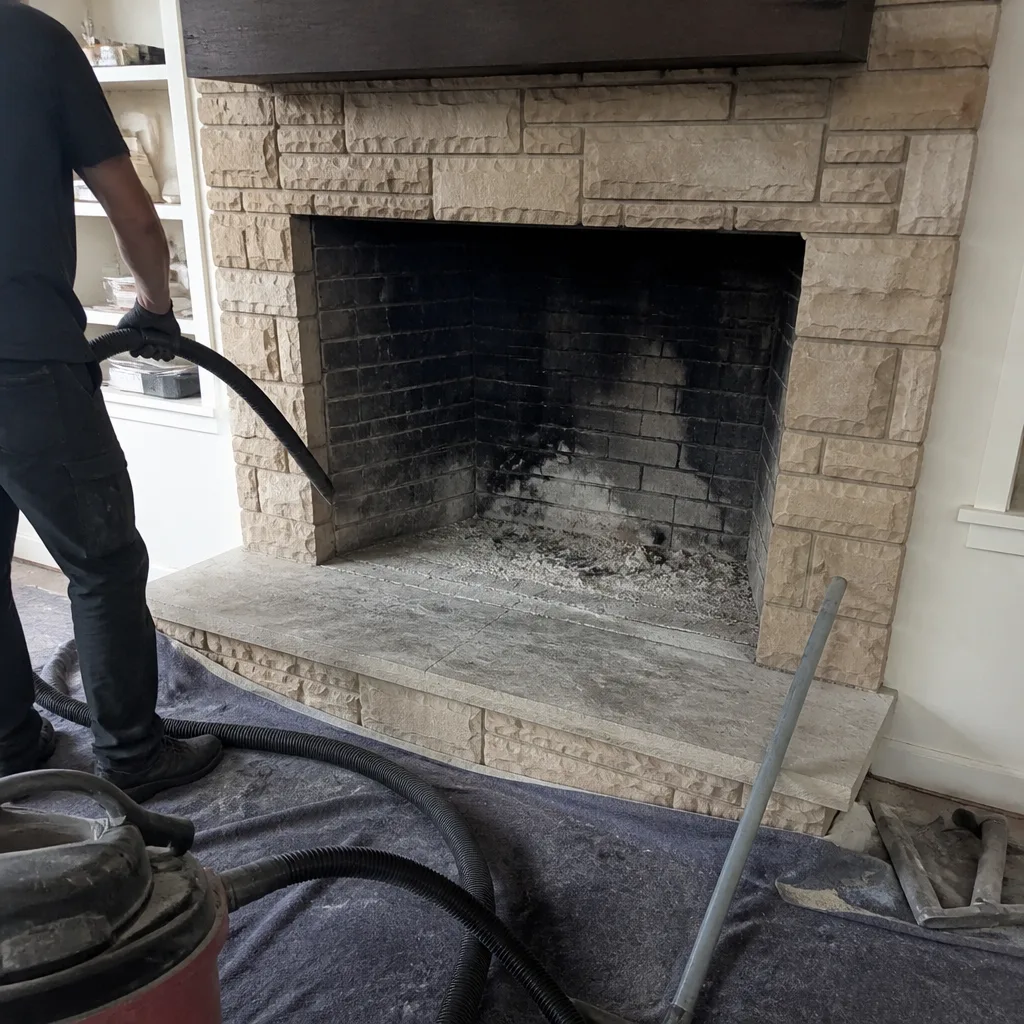 Before
 After
 Before
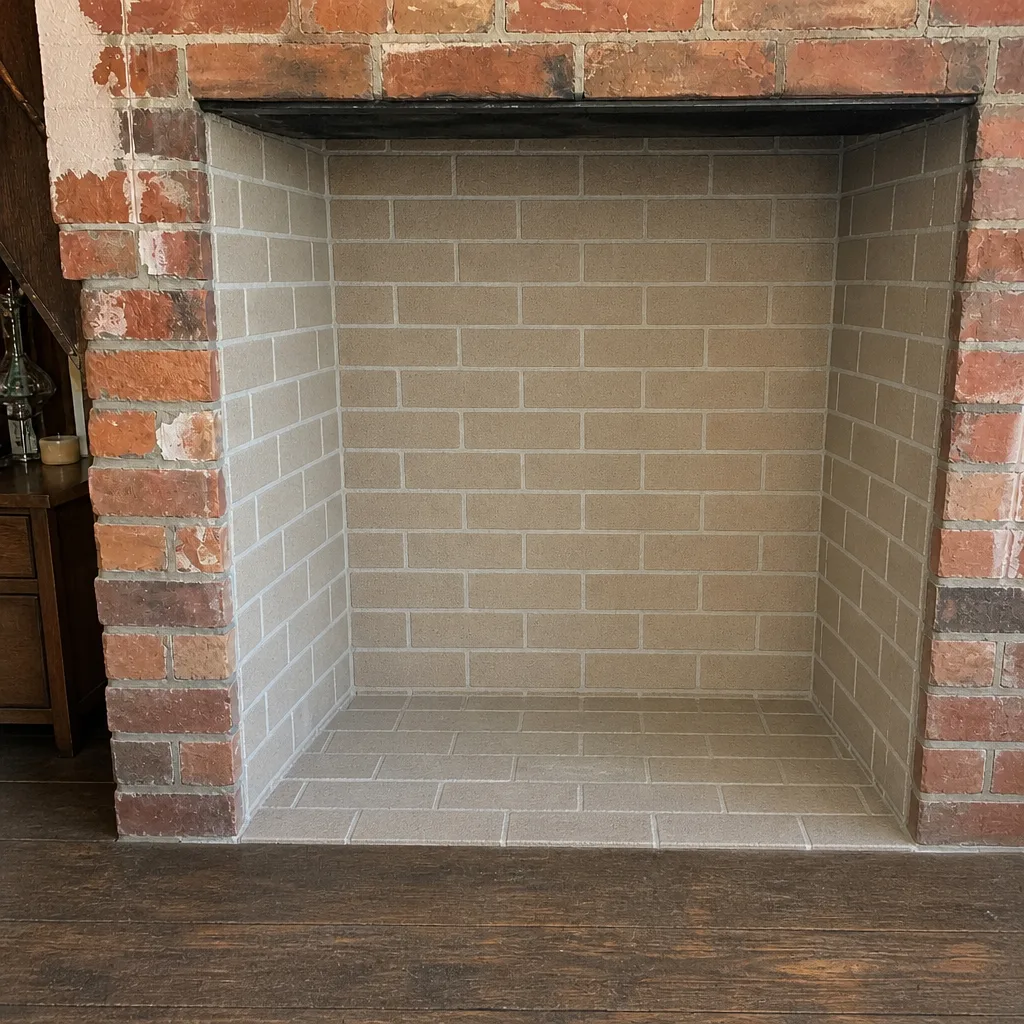 After
When to Call a Professional
Some jobs need a call. If your chimney has had a fire, or if you’ve noticed the smell of creosote in warm weather, that’s a call. If you’ve moved into a home and don’t know when the chimney was last swept, that’s a call. If your contractor gave you a quote without a camera inspection, that’s also a call, from someone else. Structural repair decisions involve permit paperwork and code compliance that no do-it-yourself work covers. Never open a chimney chase to inspect the liner yourself; the interior condition can hide a serious safety risk that only trained eyes and a camera can safely identify.
Kansas City Chimney Cleaning offers free estimates in Kansas City. Call (866) 480-2930. We answer 24/7. Fast dispatch from 7am to 7pm, Sunday through Friday.
Frequently Asked Questions
No. A routine chimney cleaning is maintenance, not structural work, so it does not require a permit under Kansas City, KS municipal code. A permit is generally required for structural chimney repair, including liner replacement and relining, and the contractor should provide the permit number before work starts. Call (866) 480-2930 for an exact quote on inspection or repair; estimates are free.
It can. If a claim adjuster discovers a liner was replaced without a permit and never inspected, the claim can become contested even if the work was done correctly. The protection is documentation: permit number, final inspection card, product sheets, photo report. A Level 2 inspection with camera footage is the right starting point if you suspect a past job was unpermitted.
Usually the buyer, though a seller sometimes orders one preemptively to speed the transaction. The report belongs to whoever ordered it. A Level 2 inspection includes a full camera scan of the flue and photo documentation of any findings, which is more than a general home inspector provides. Call (866) 480-2930 for an inspection quote; estimates are free.
The brand should match the job. For a stainless-steel reline on a wood, gas, or oil appliance, DuraFlex is the professional standard. For resurfacing a partially damaged flue rather than replacing it, HeatShield is the product to look for. Caps and venting components from Famco, Gelco, Olympia Chimney, and Copperfield are professional-grade parts rather than generic hardware-store substitutes. If the estimate doesn’t name the products, ask why.
The camera tells you. A visual inspection can show surface condition, but the camera footage is what reveals cracks, offsets, and gaps that don’t show from the outside. In our experience with Kansas City chimneys, some visual findings turn out to be cosmetic and some concealed findings turn out to be structural. The inspection report is where the difference between a sweep and a repair gets decided. Call (866) 480-2930 to book an inspection with camera footage.
Ask for the written report and a timeline. Some findings are safe to monitor for a season, and some need attention before the next burn. A legitimate contractor will tell you which is which and won’t pressure a decision in the moment. The report is yours to keep regardless.
The Bottom Line
Permits in Kansas City, KS follow a straightforward line: sweeps are maintenance and don’t require one; structural repair including relines does. The national standards, NFPA 211 and IRC Chapter 10, provide the technical framework, but local enforcement is what verifies the work in practice. Level 2 inspections with camera footage are the right tool at a home sale and after any chimney fire, and they’re the document that protects you in an insurance claim. The common thread across every section of this guide is documentation. A homeowner who holds the permit number, the inspection card, the product sheet, and the photo report is protected from the parts of chimney work you can’t see. If you’re unsure where your chimney stands, the right first step is an inspection you can watch in real time. Call (866) 480-2930. We answer 24/7. Fast dispatch from 7am to 7pm, Sunday through Friday.
Written by the team at Kansas City Chimney Cleaning.